Everything's Connected
The Trillium Biomes Curriculum for Early Childhood
Help young children see the natural world not as separate parts, but as a web of relationships where every living and nonliving thing belongs.

The Trillium Biomes Curriculum is a Montessori-inspired resource designed to bring the wonder of Earth’s biomes to the early childhood classroom (ages 3-6). It introduces children to the living and nonliving parts of the natural world through real photographs, realistic illustrations, clear language, and familiar Montessori card materials.
Materials are provided as downloadable PDFs and are not editable.
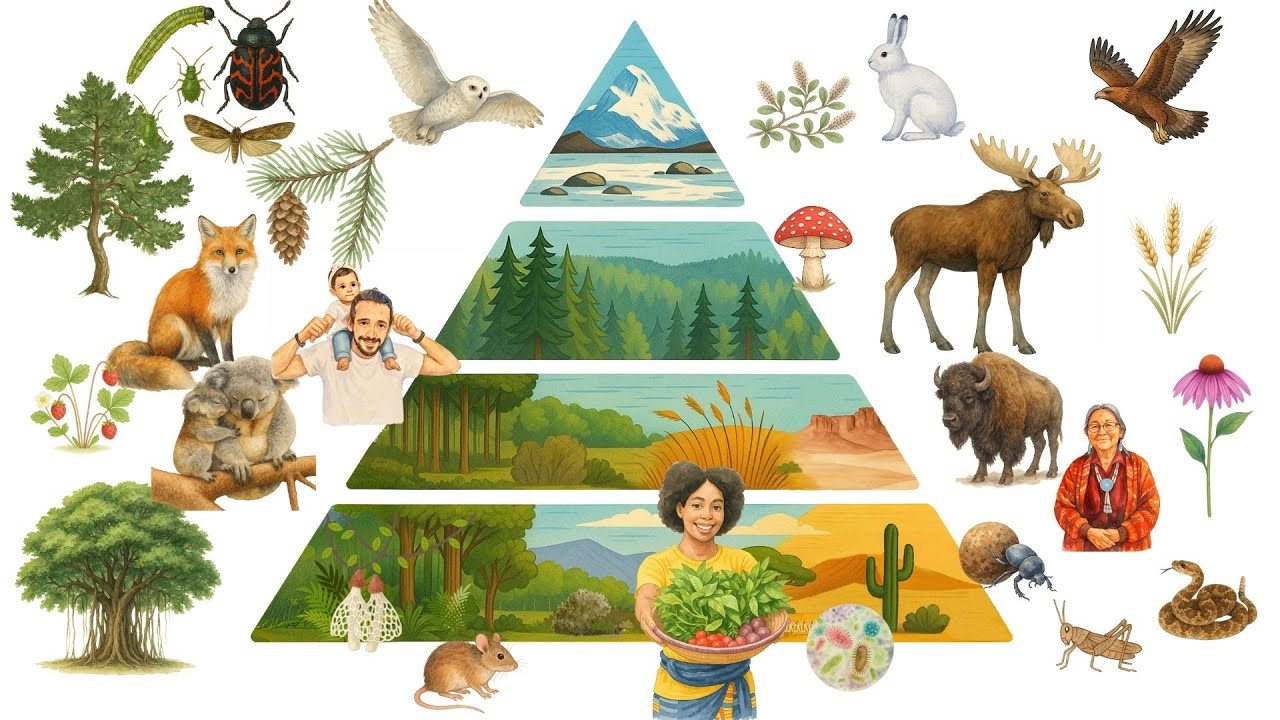
This video features photos and illustrations from the Trillium Biomes Curriculum materials.
Biomes and Belonging
A Case for Learning About Biomes in Early Childhood
Before children form a strong sense of self, they experience everything as connected. They do not yet separate “me” from “the world.” This natural sense of belonging is the foundation of ecological consciousness, and it is something we can nurture now rather than wait to rekindle later.
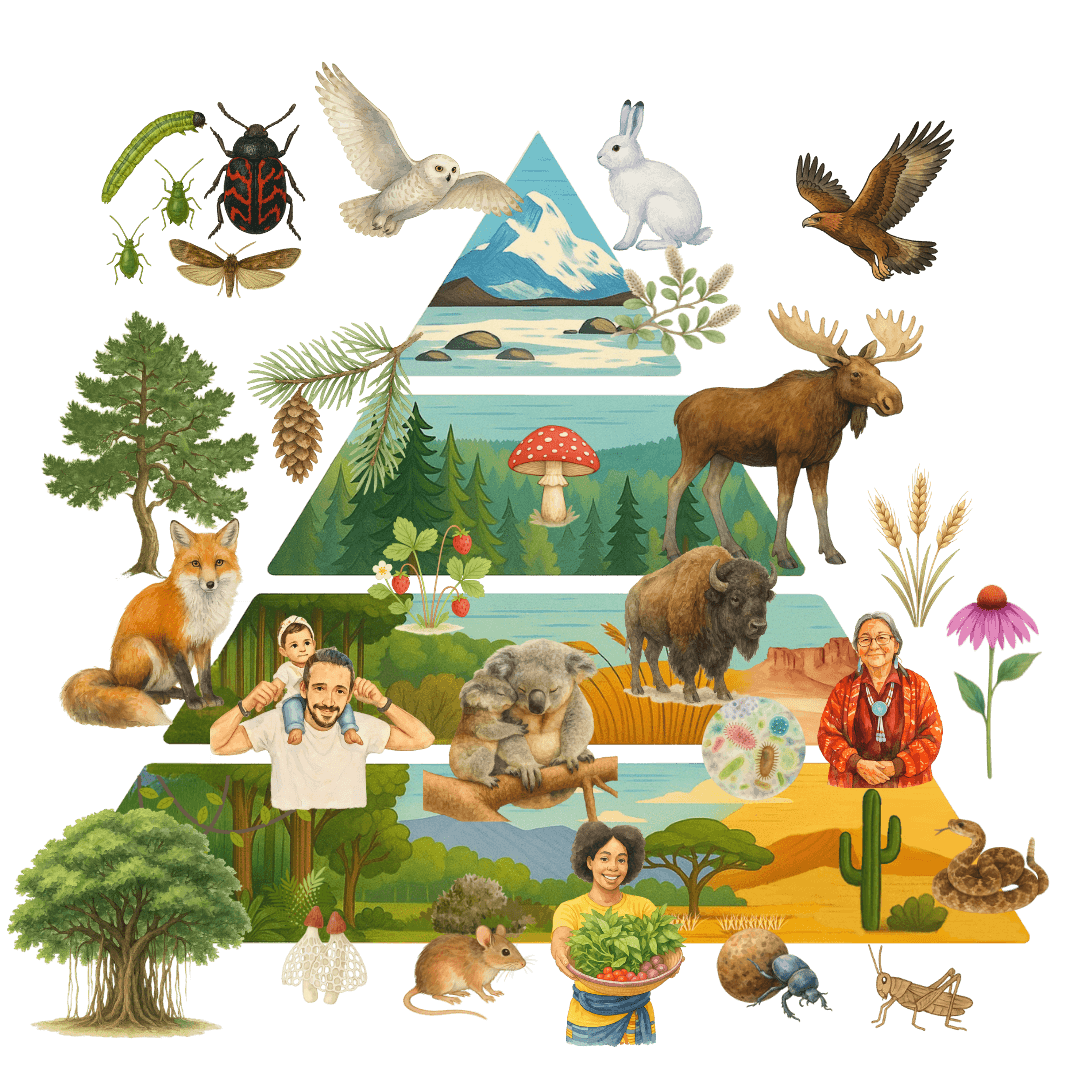
The Trillium Biomes Curriculum builds on this awareness. Instead of naming aspects of nature in isolation, it invites children and adults to name them in context.
To name is not only to label a thing. Naming is a way of bringing something into conscious awareness.
When adults help children notice
- not only that plants have roots, but that those roots hold the soil in place so it does not wash away
- not only that animals eat fruit, but that they carry seeds to new places
- not only that herds travel across the land, but that their hooves press seeds into the soil
- not only that some animals live in burrows, but that their digging loosens the soil for roots to spread
they are naming relationships that show how each part belongs to, and creates, something larger.
This curriculum provides a framework and language for adults to speak to young children about the natural world through connection rather than just classification.
It helps them name what children already sense:
-
that flourishing is mutual
-
that adaptation happens in response and relationship
-
that every part, living and nonliving, plays a role in keeping balance
Grounded in accurate science and also belonging and reverence, this curriculum offers a developmentally appropriate way to begin Cosmic Education in the first plane. It helps children not just learn about the world, but feel their place within it.
All flourishing is mutual.
-Robin Wall Kimmerer
Learning Objectives
Direct and Indirect Aims of the Biomes Curriculum
Young children learn best through direct experiences with the natural world. Nothing replaces open-ended time spent outdoors, exploring, touching, and being.
These materials are not meant to serve as a substitute for direct experience outdoors, but they are meant to complement the experiences you have there.
They are designed to give adults the language and structure to shift from framing nature as static, isolated components to framing it as a dynamic system of relationships.
Direct Aims
The Trillium Biomes Curriculum will be most meaningful after children have been introduced to:
- air, land, and water
- continents and oceans
- living and nonliving things
- plants and animals
These are the classic lessons in the cultural area—introductions to geography and life science that help children name the world around them. The Biomes Curriculum builds on that foundation. It revisits all of these concepts, but this time, in relationship to one another.
Children will:
-
Recognize air, land (soil), water, and sunlight as the nonliving parts of every biome
-
Recognize plants, animals (including people), fungi, and microbes as the living parts
-
Recognize living and nonliving parts as complementary and equally important
-
Explore how these parts interact in different environments
-
Begin to understand climate through hot/cold and wet/dry
-
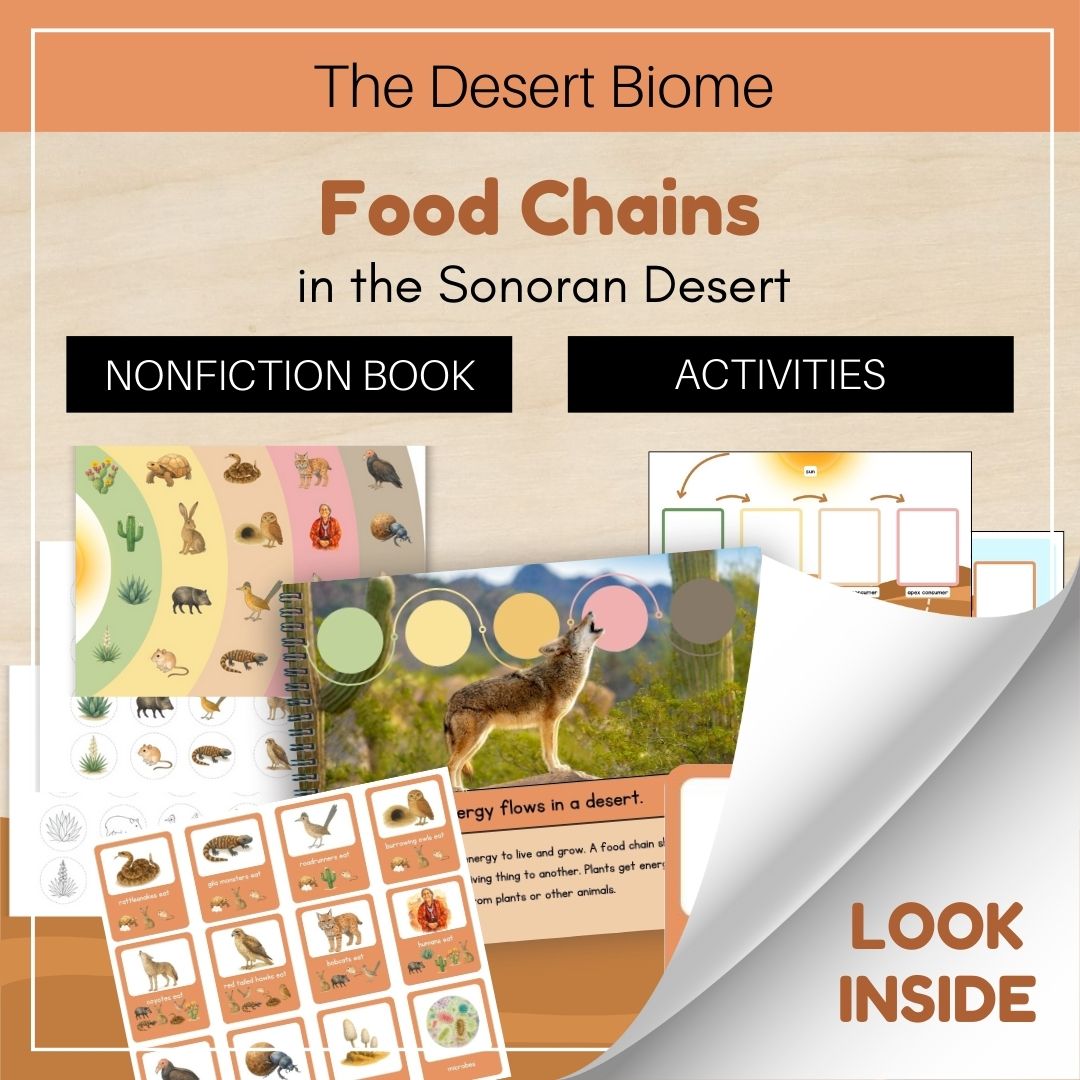
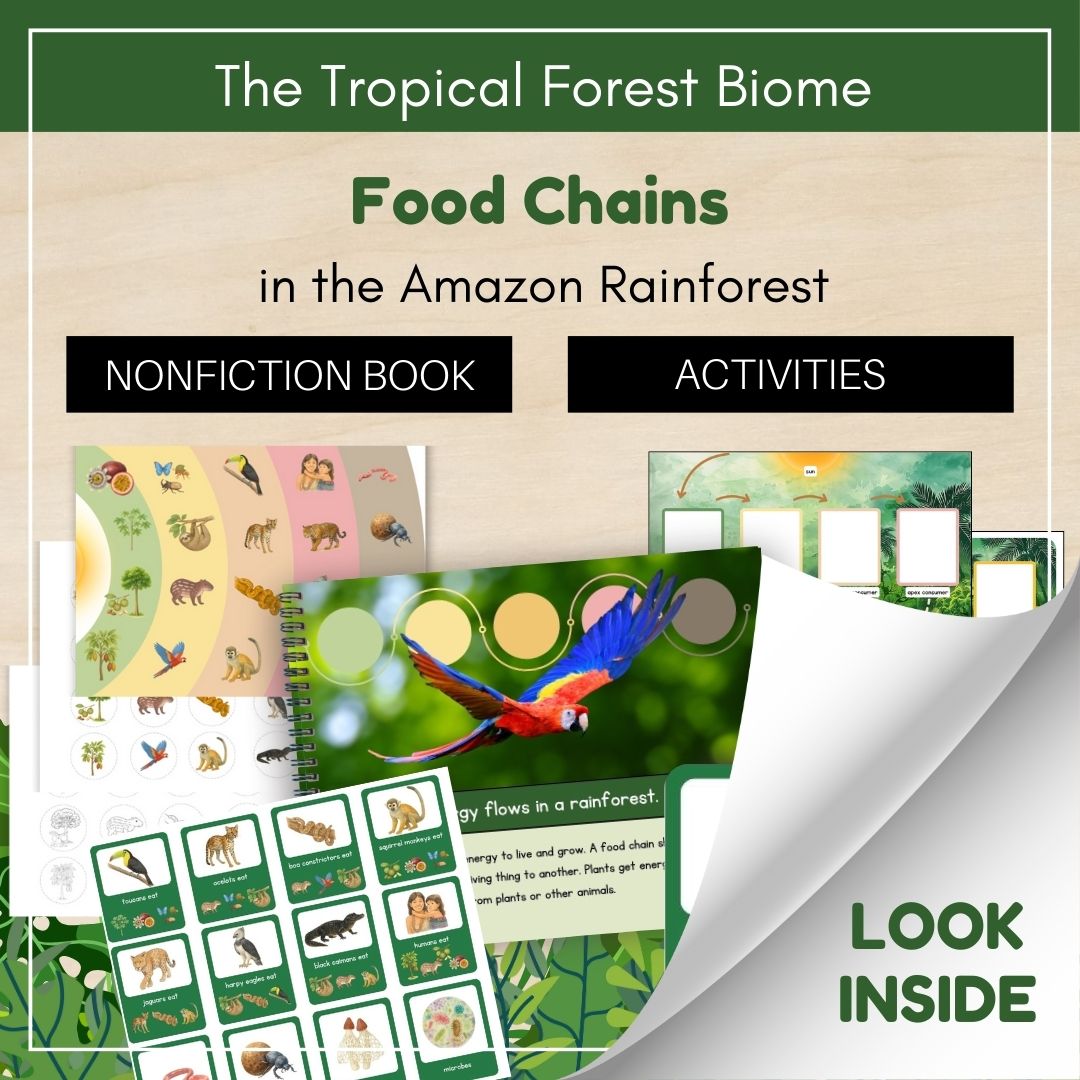
Learn about energy flow through simple food chains
-
See interdependence and adaptation as natural ways life fits together
-
Discover that people belong within the food web, not apart from it
Indirect Aims
-
Nurture a sense of connection with the natural world
-
Cultivate vocabulary for describing relationships in nature
-
Support systems thinking and ecological awareness
-
Foster gratitude, care, and reverence for living and nonliving things
Based on the Montessori principle of giving the child the universe, this work invites children to understand the natural world not as a collection of parts, but as a web of living and nonliving relationships that support mutual flourishing.
Inside the
Trillium Biomes Curriculum
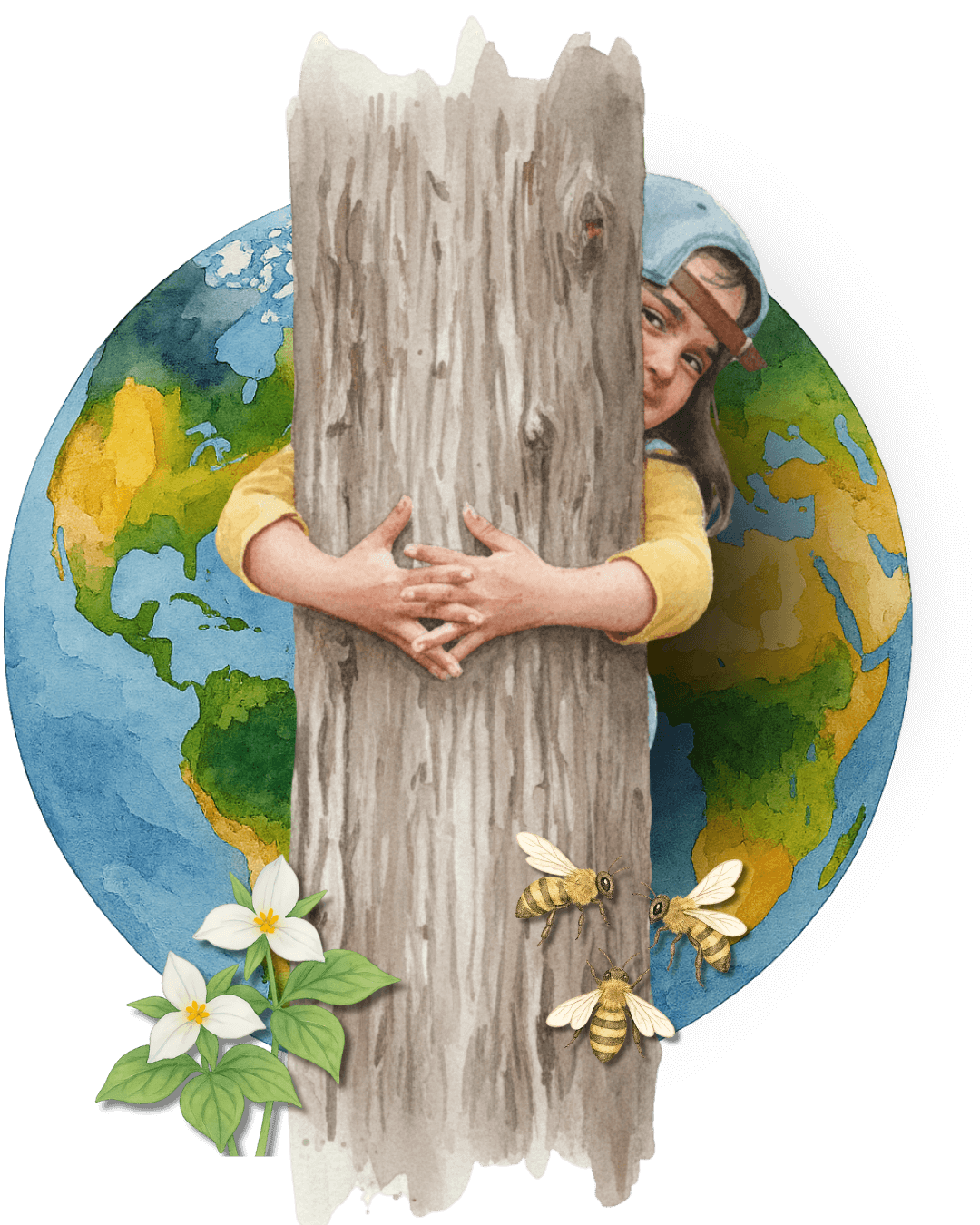
Each biome unit follows a clear and consistent structure designed for ease of use in Montessori classrooms.
Every Biome Unit Includes:
-
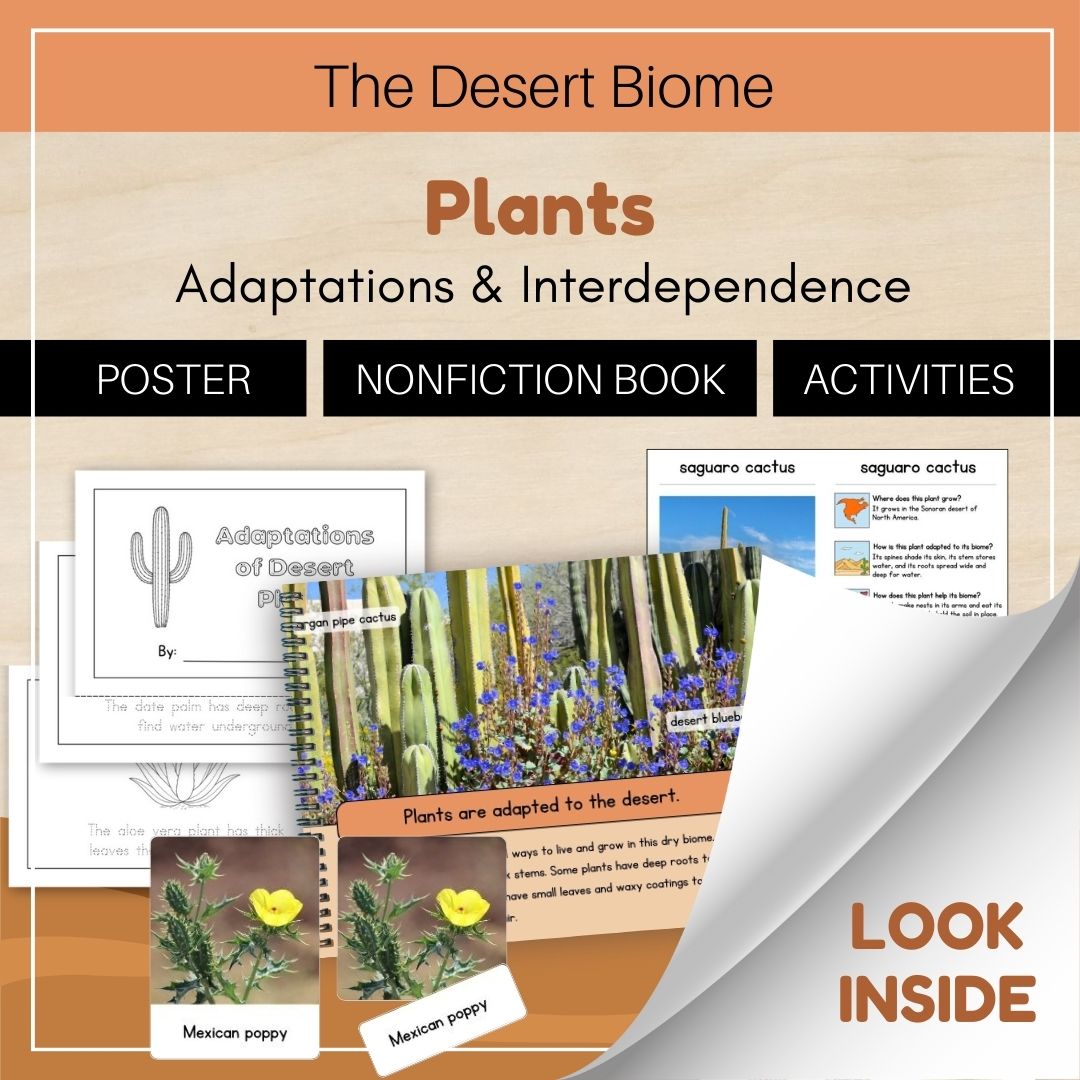
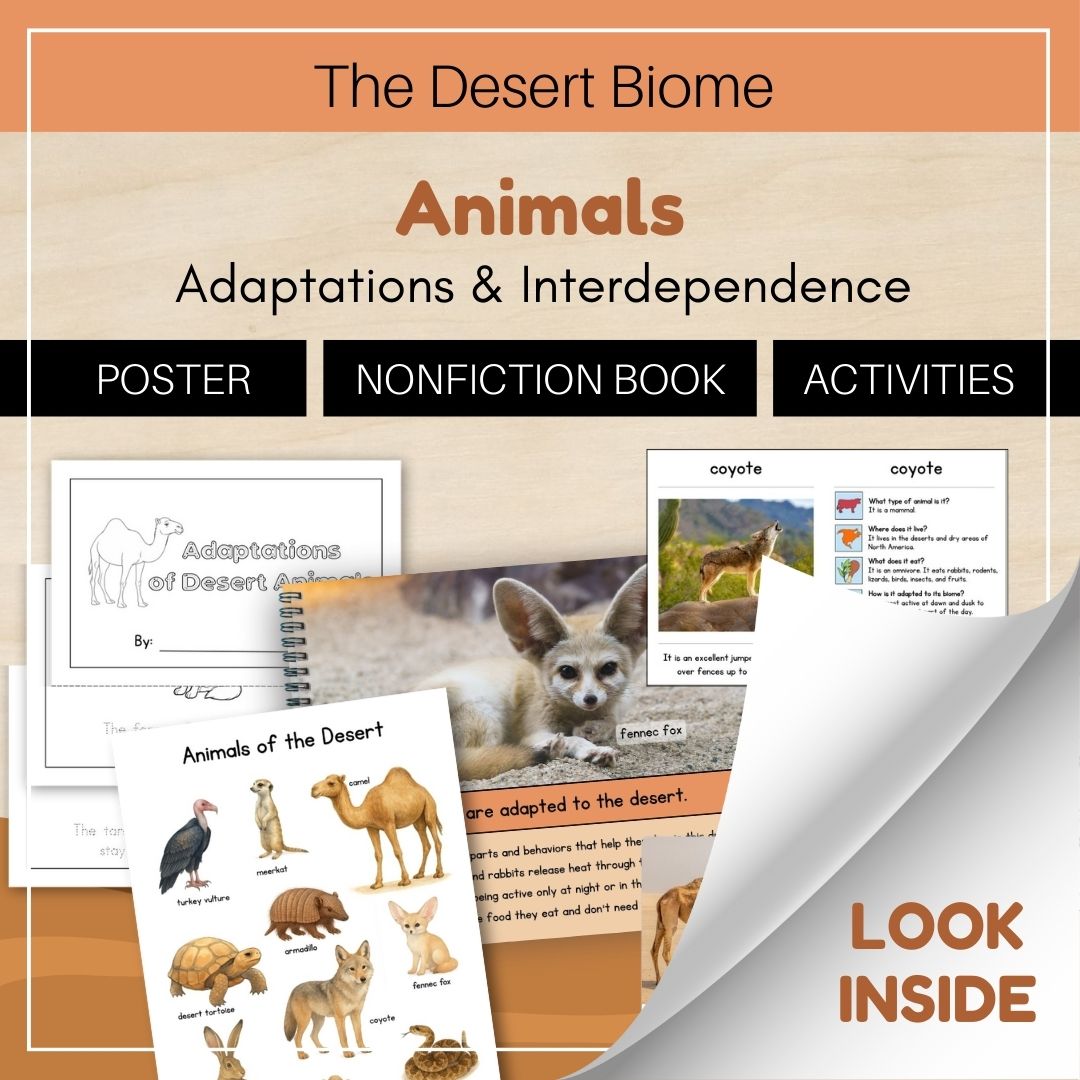
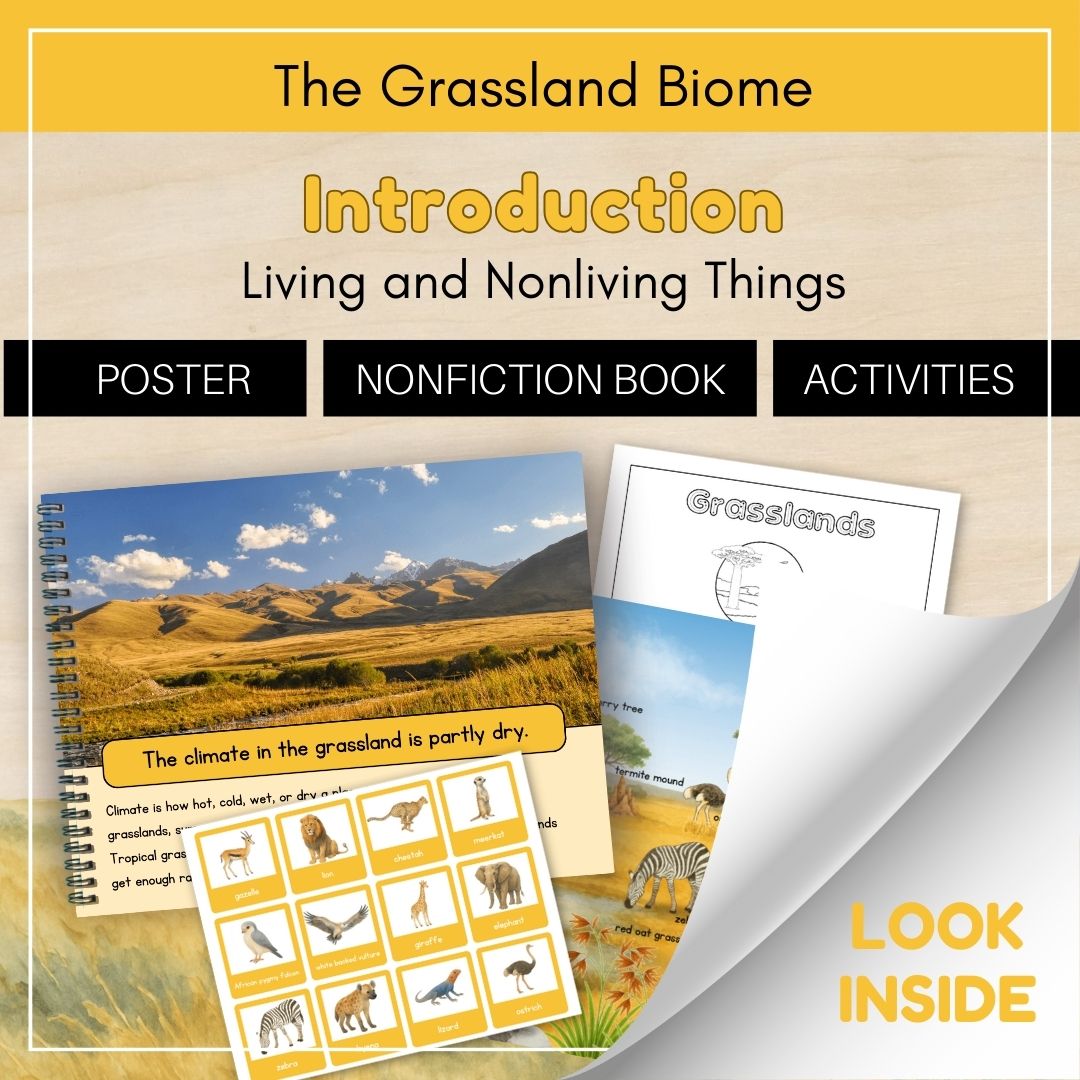
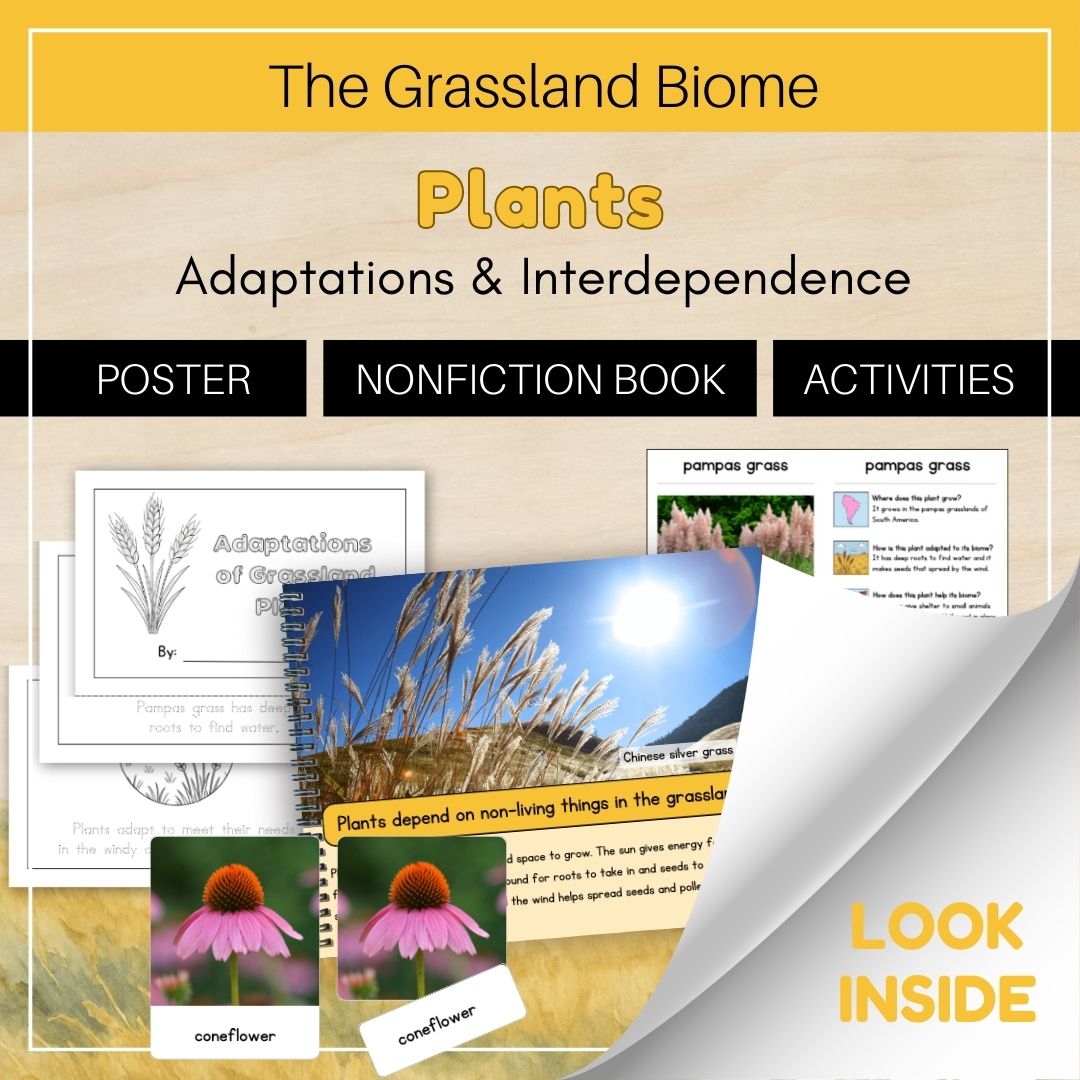
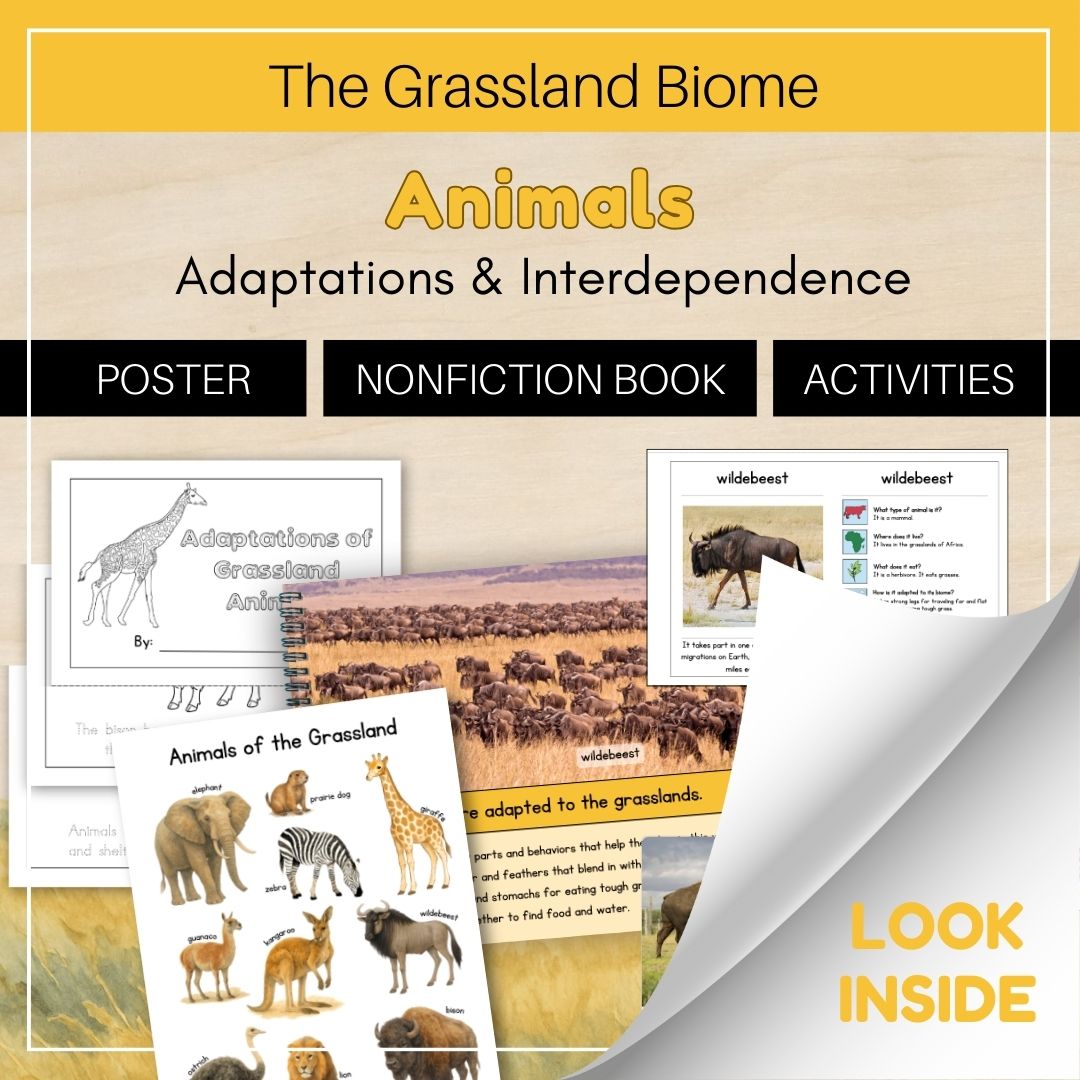
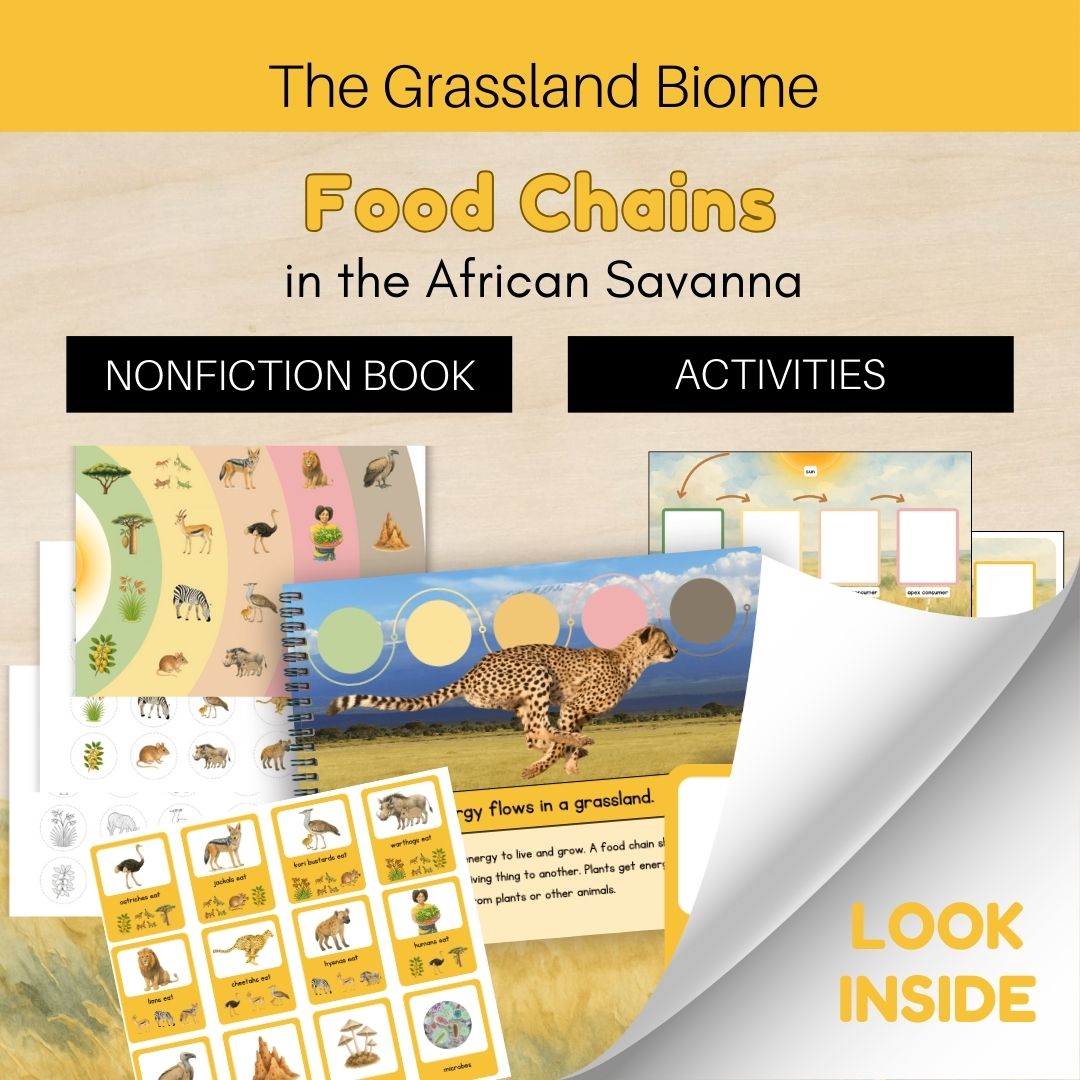
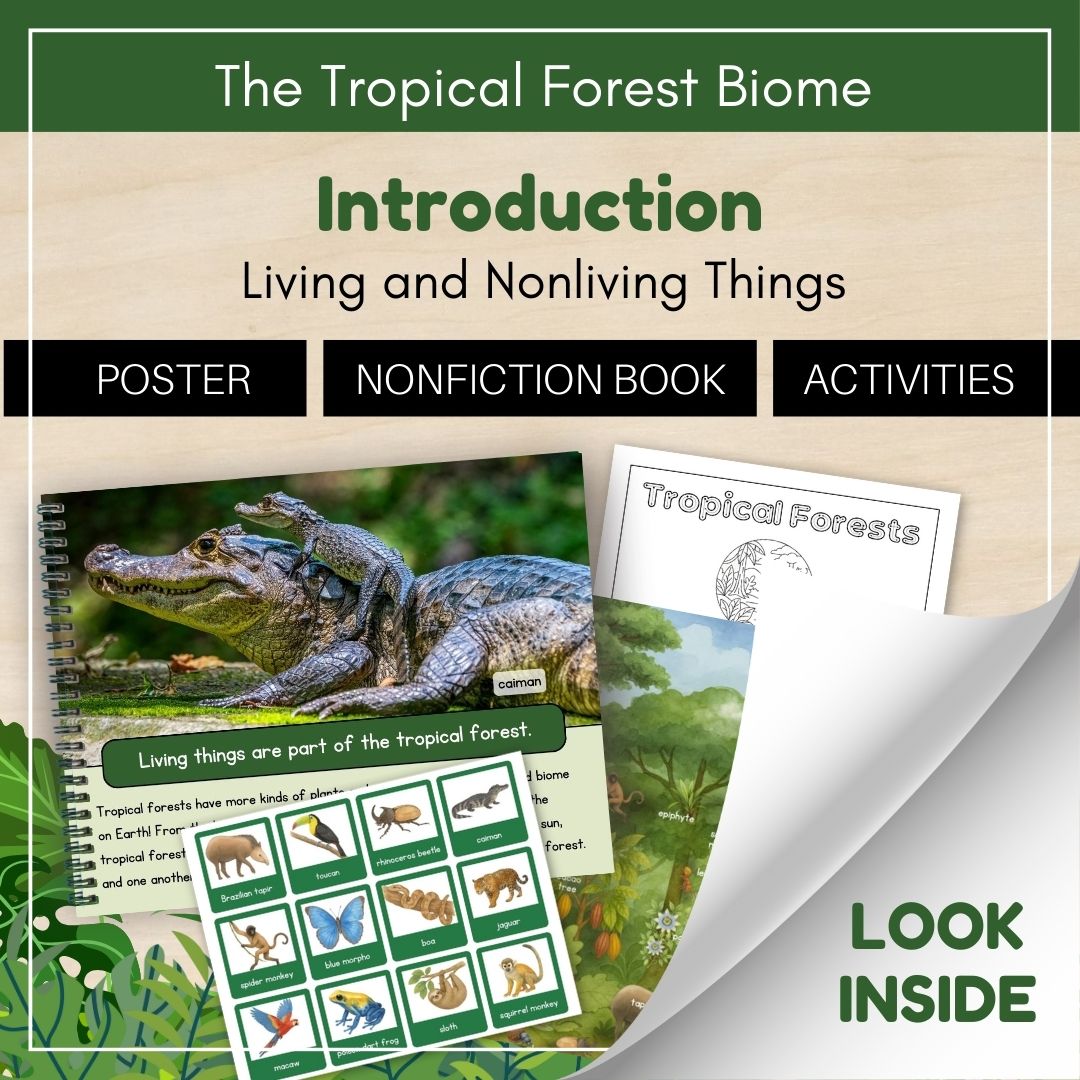
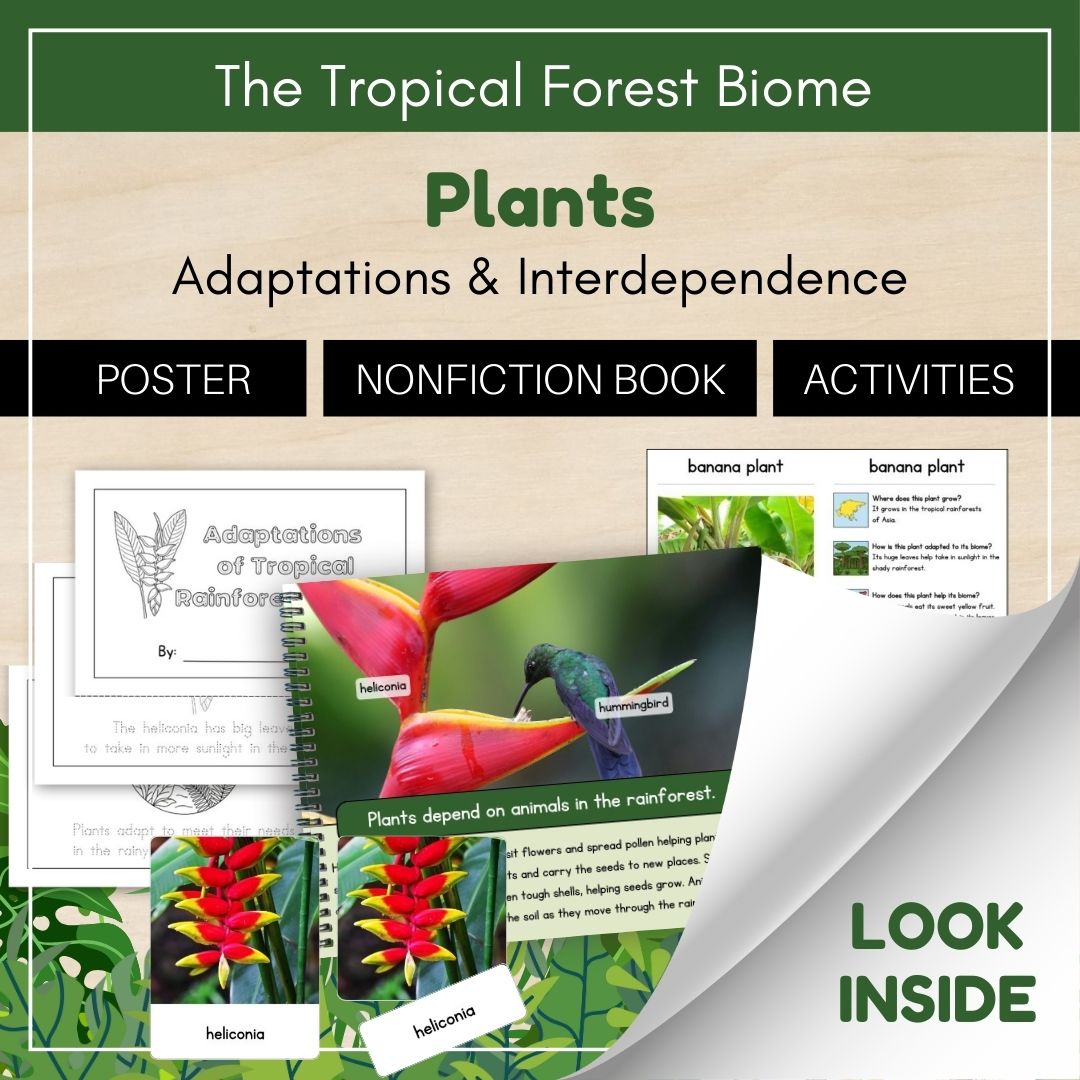
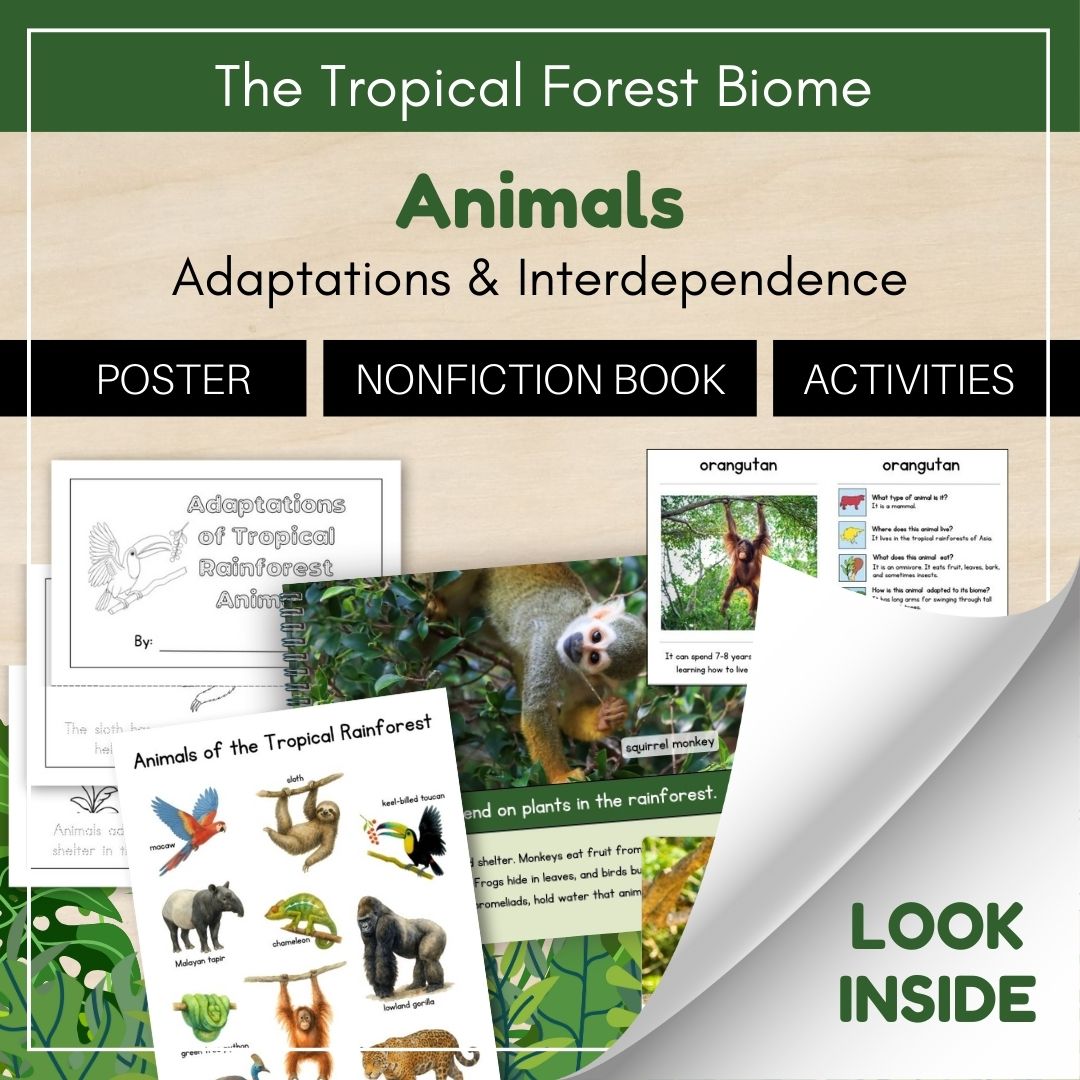
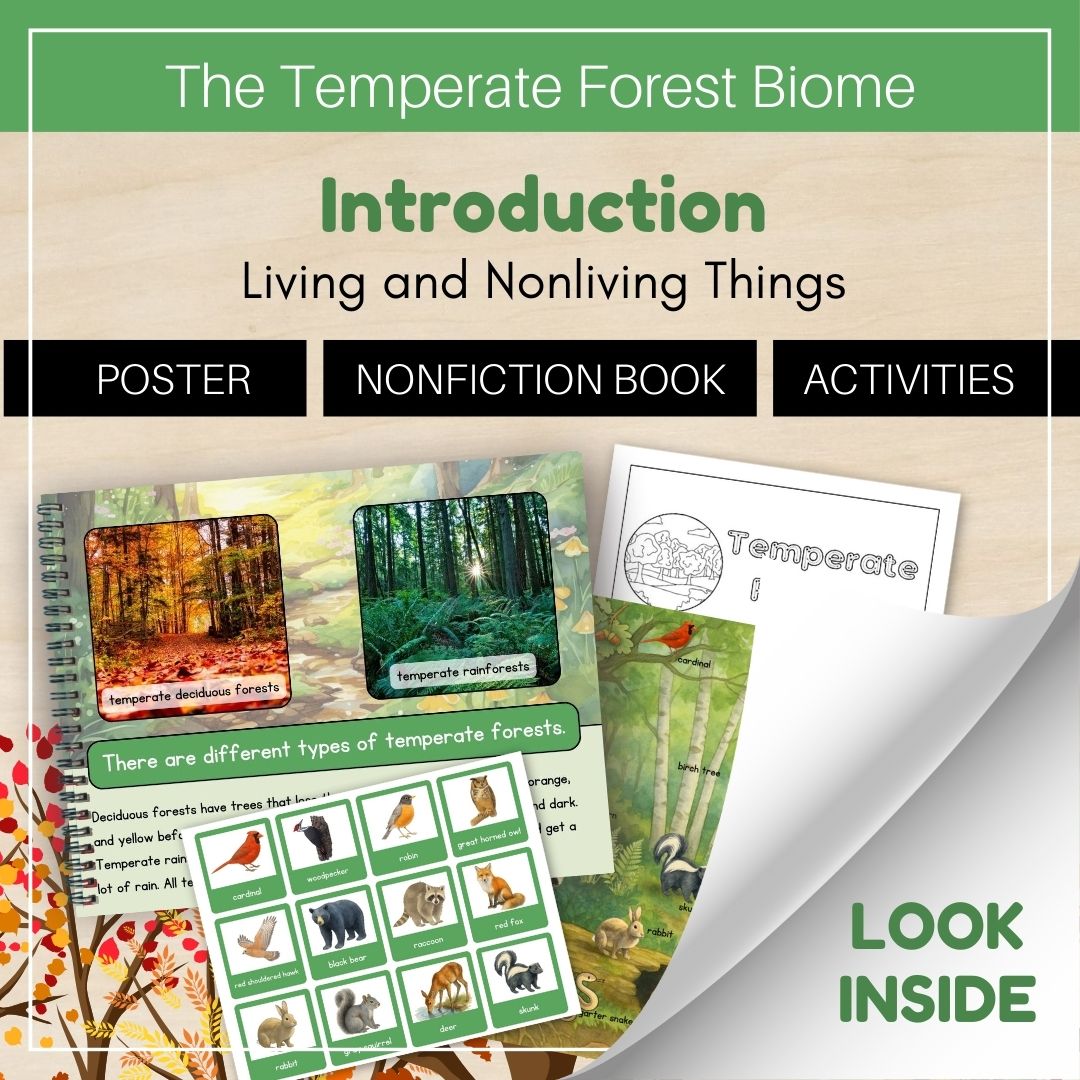
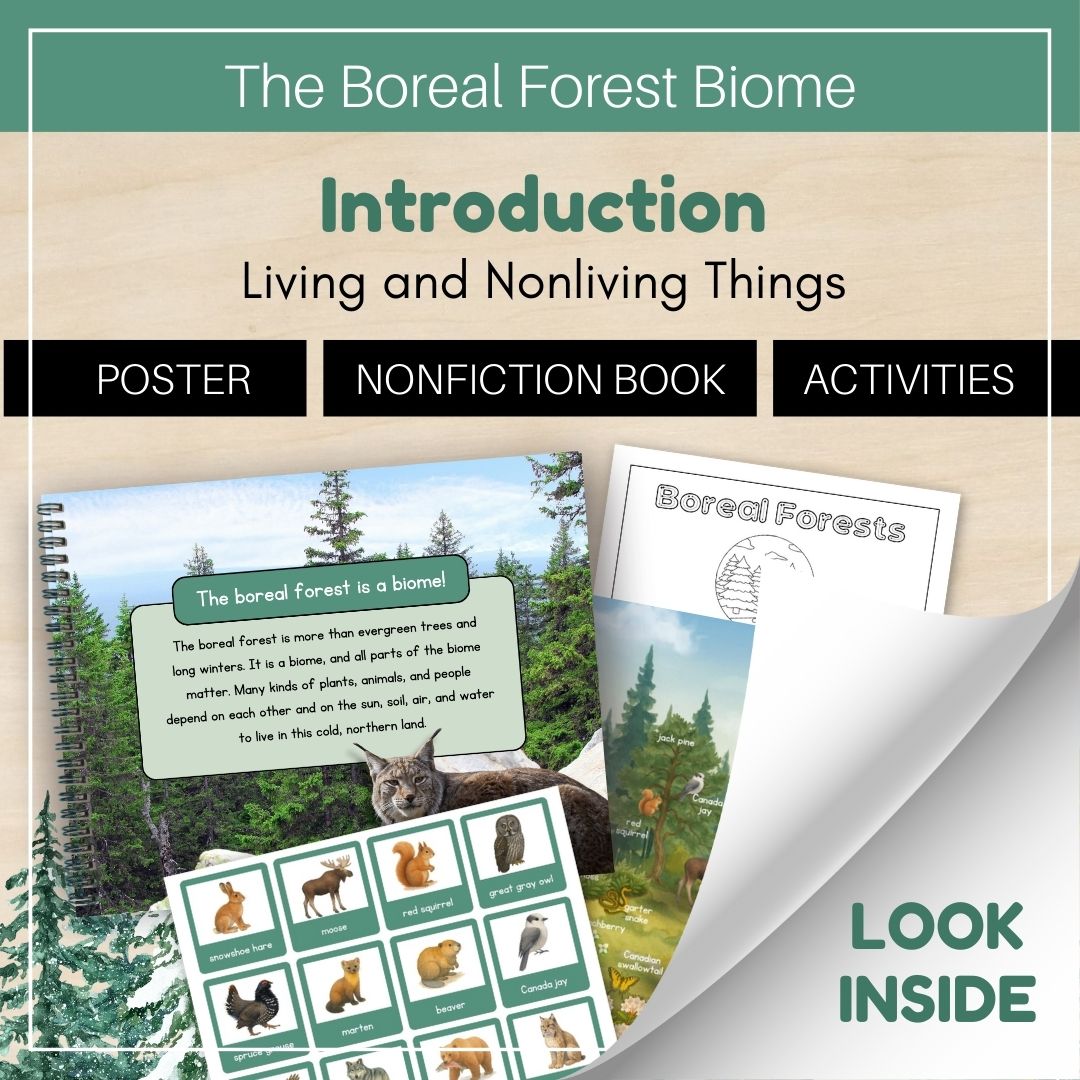
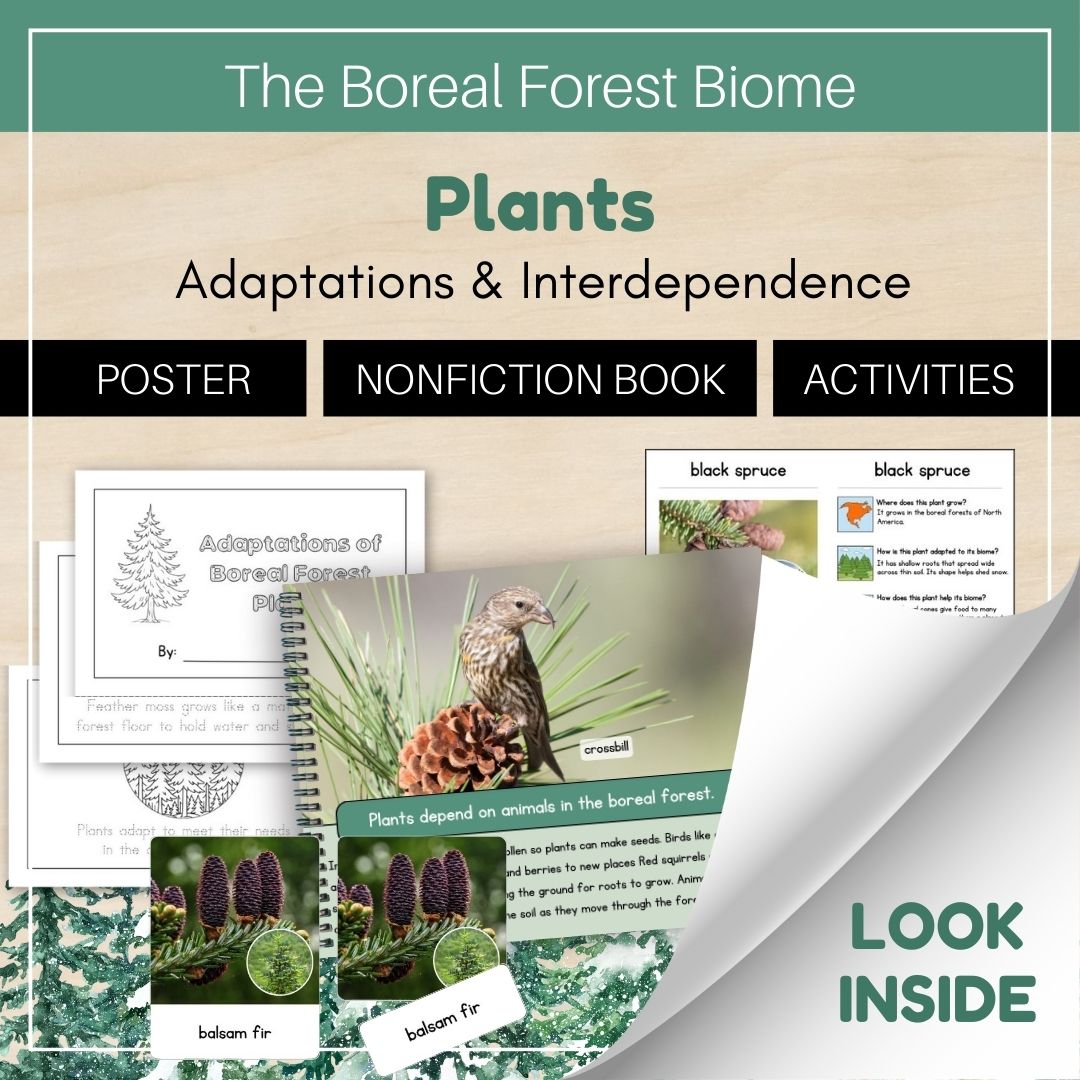
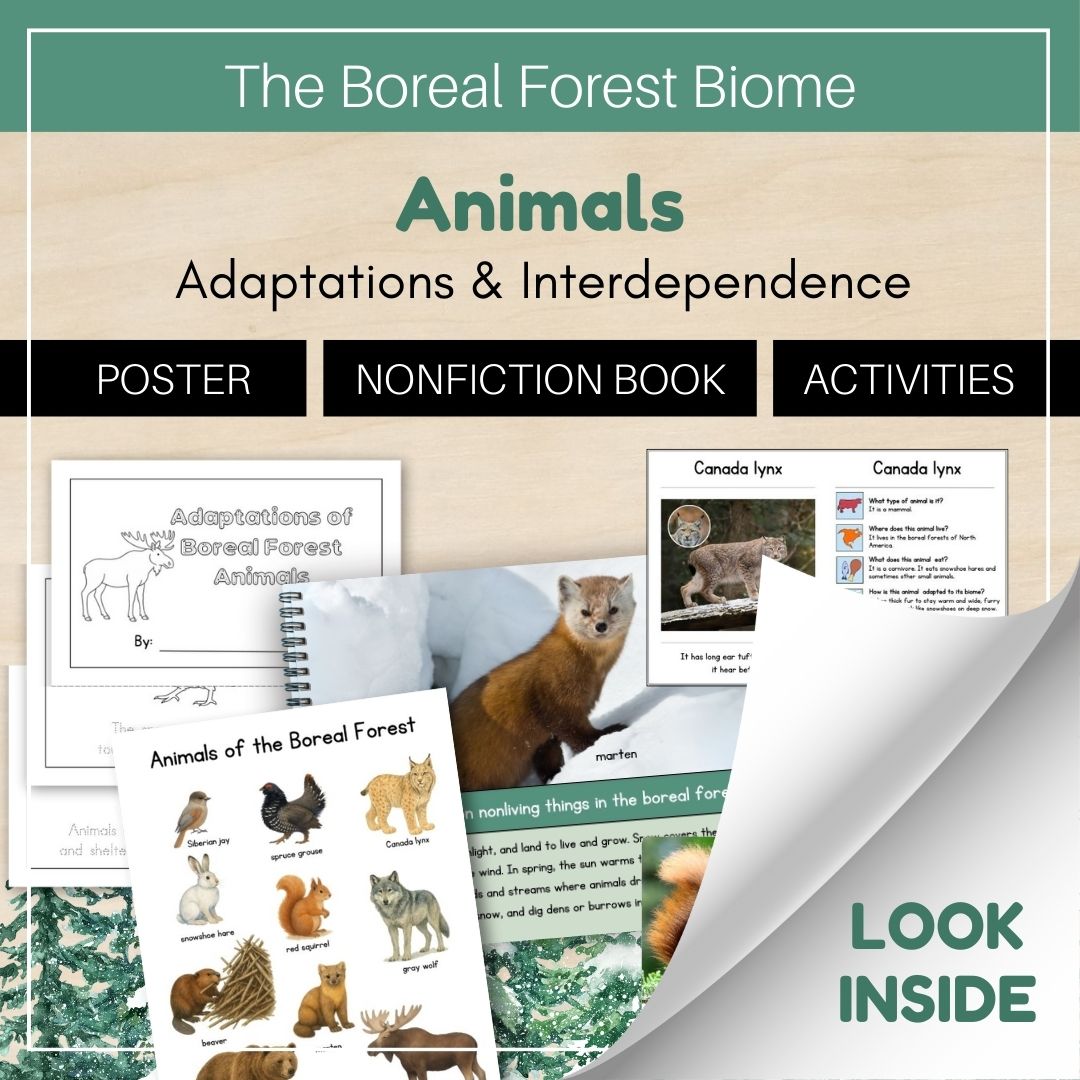
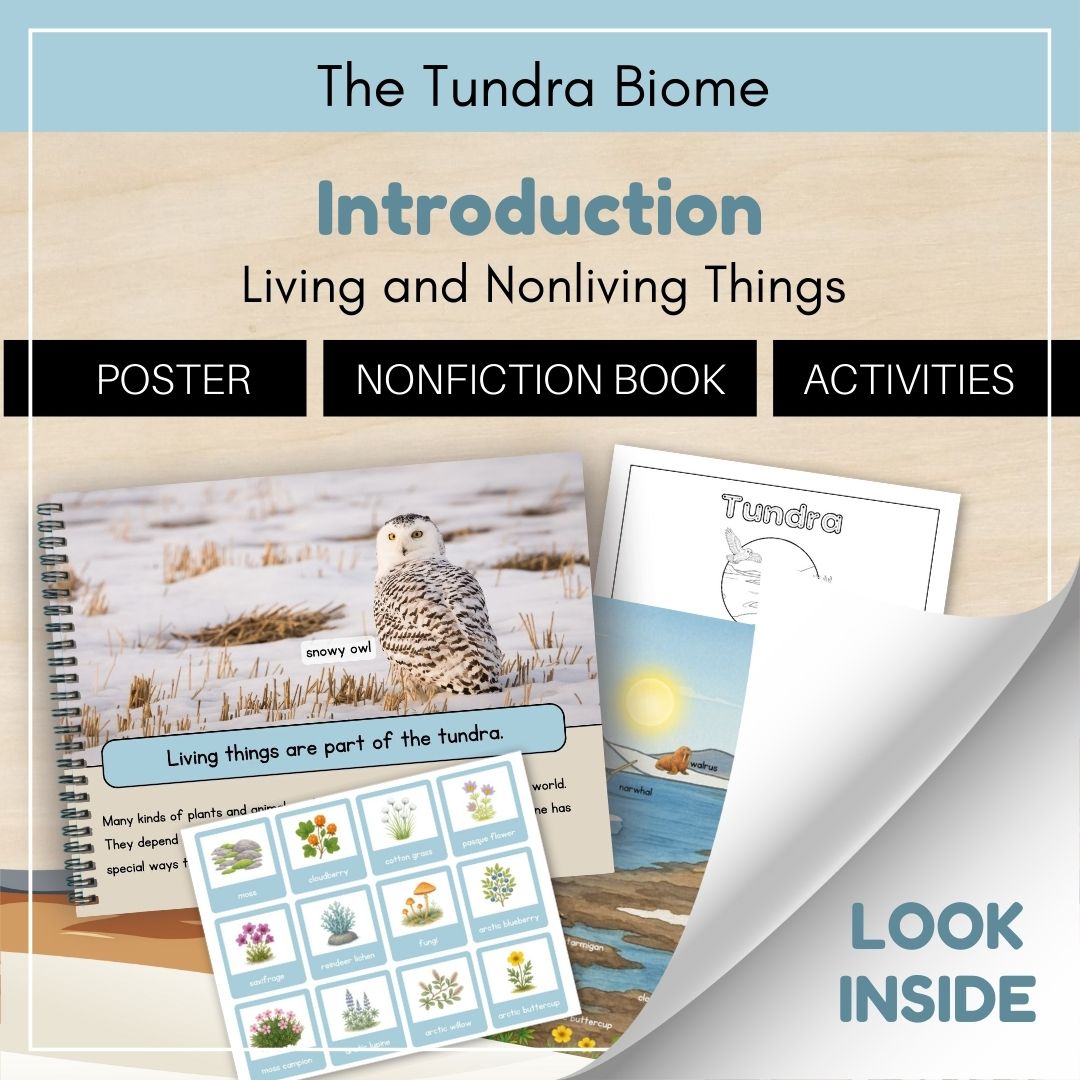
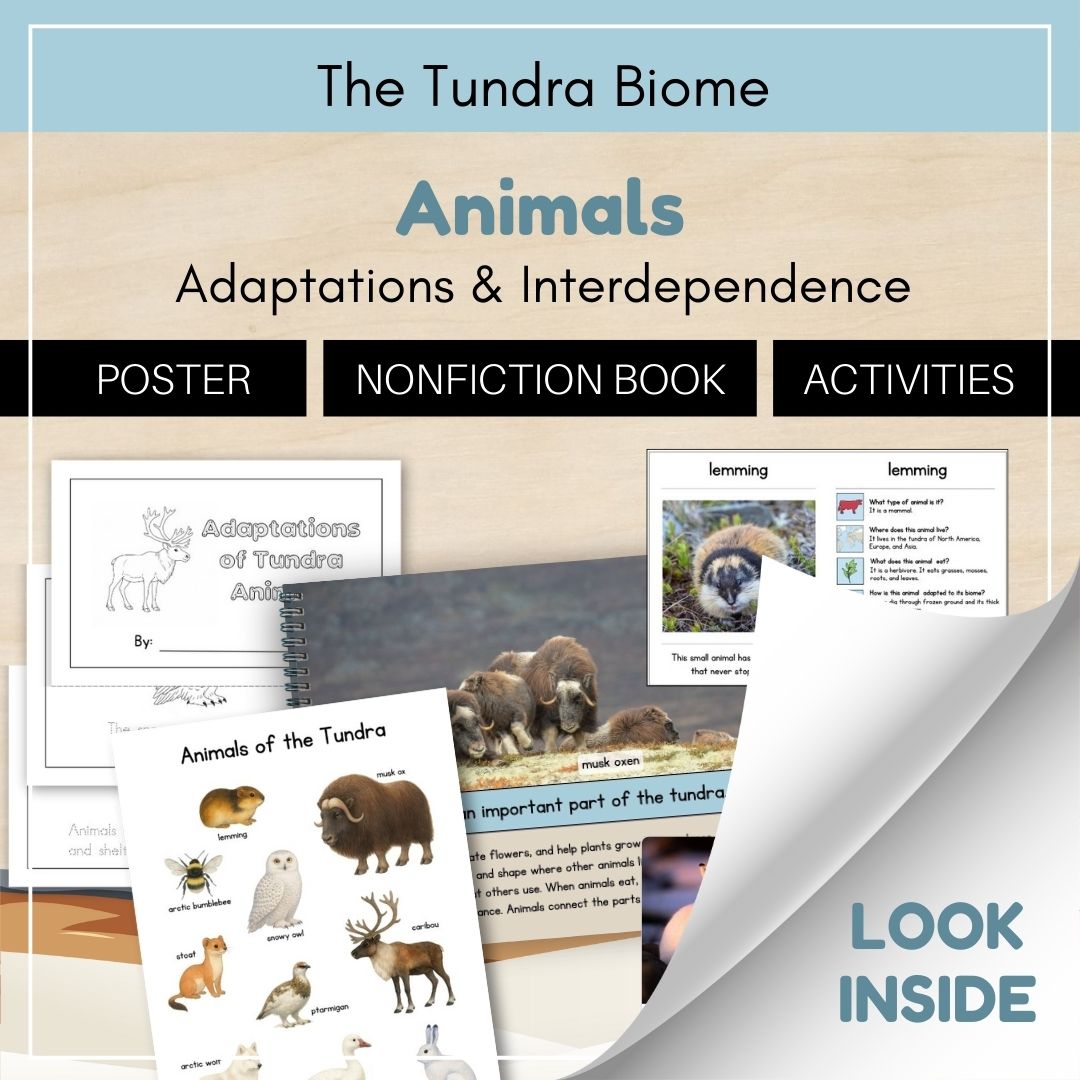
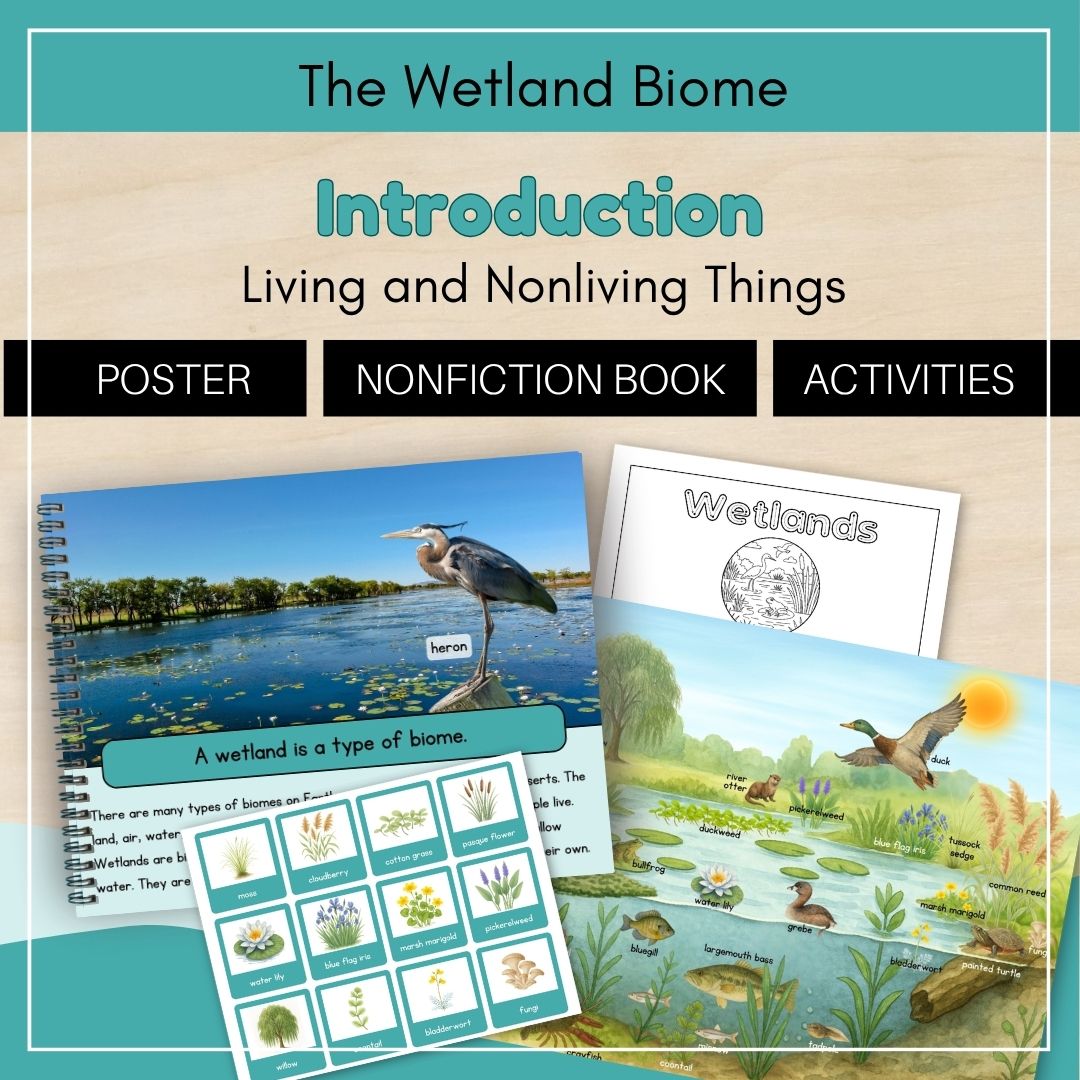
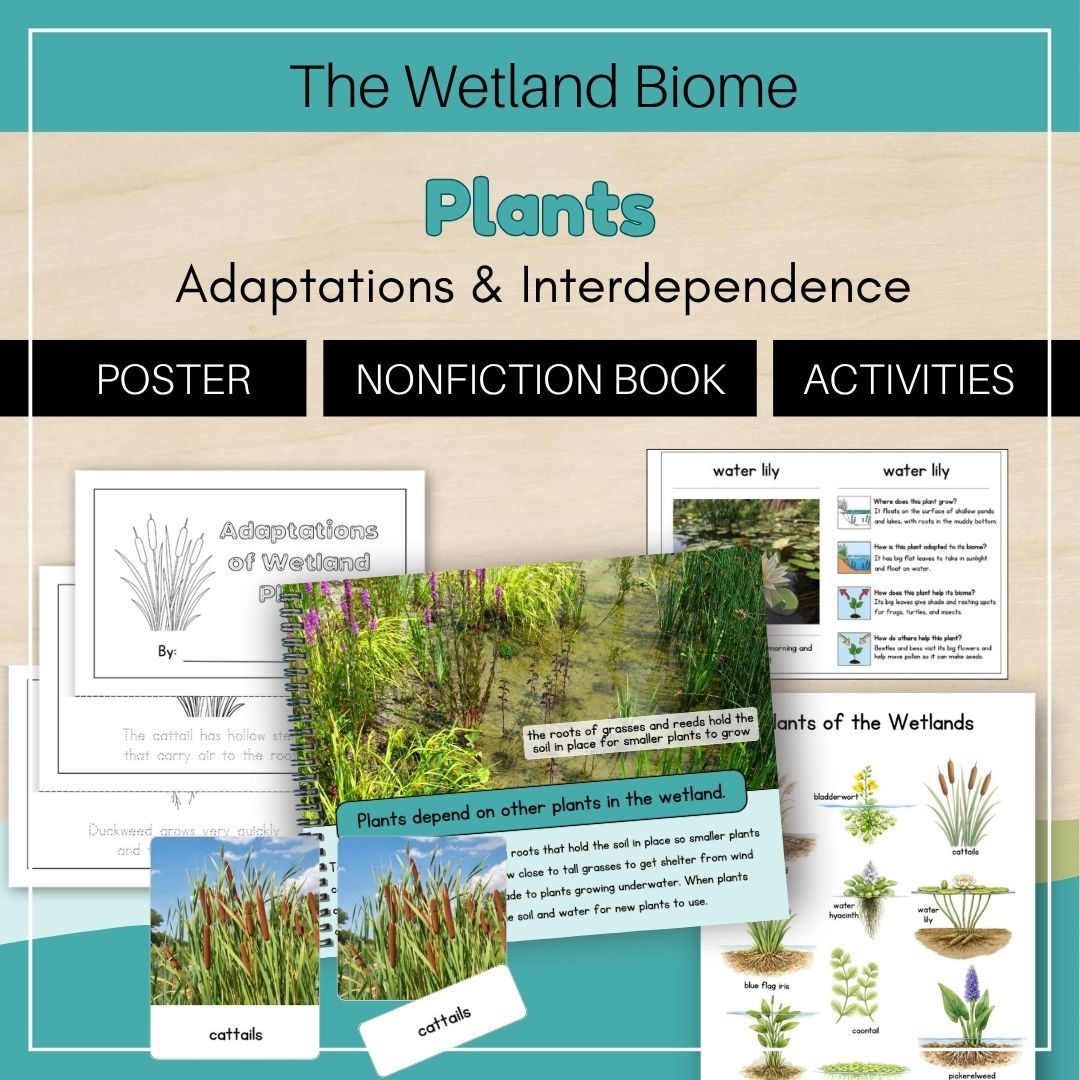
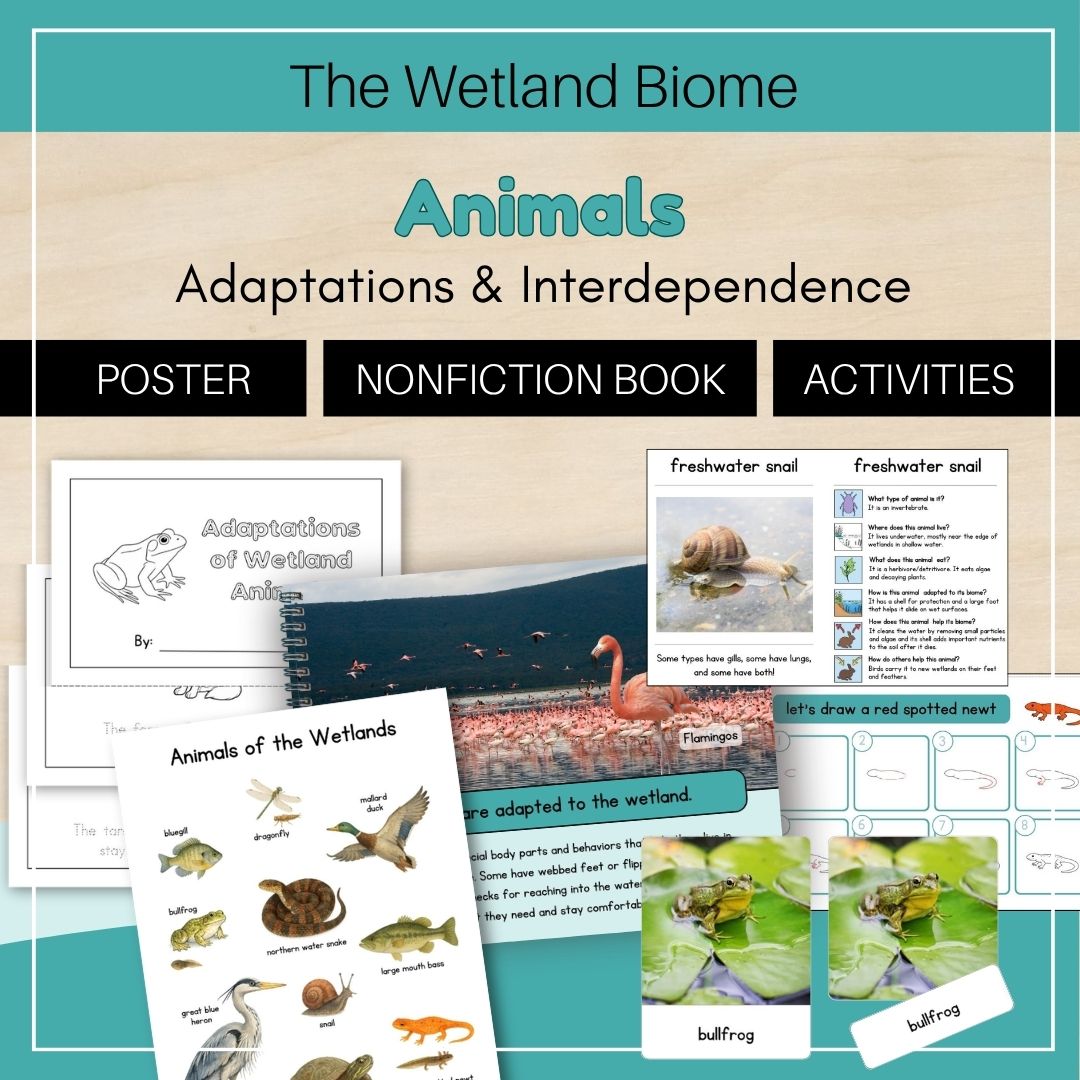
A read-aloud nonfiction book introducing each concept through real photographs and clear, repetitive language
-
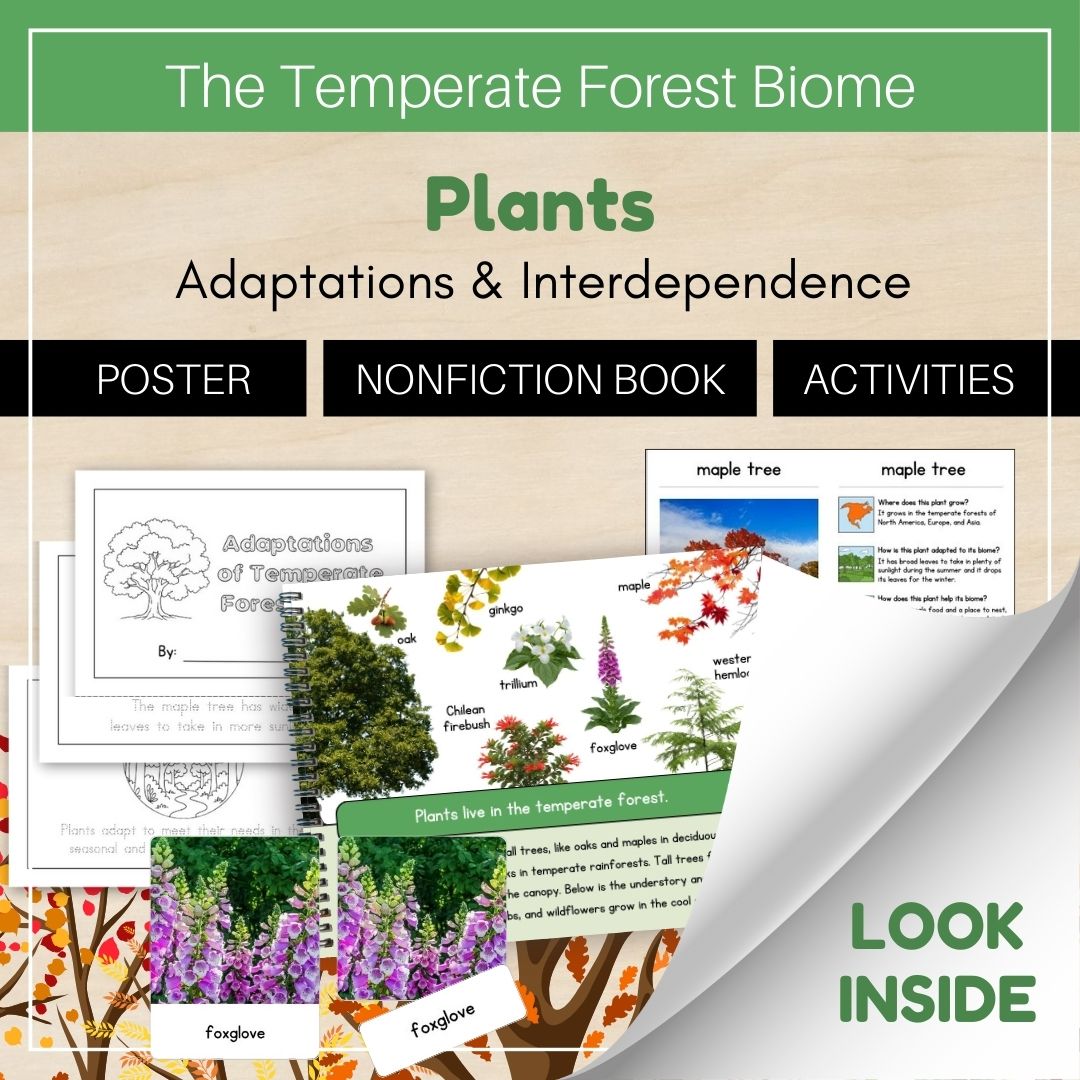
Blackline masters for children to color and assemble into their own mini books
-
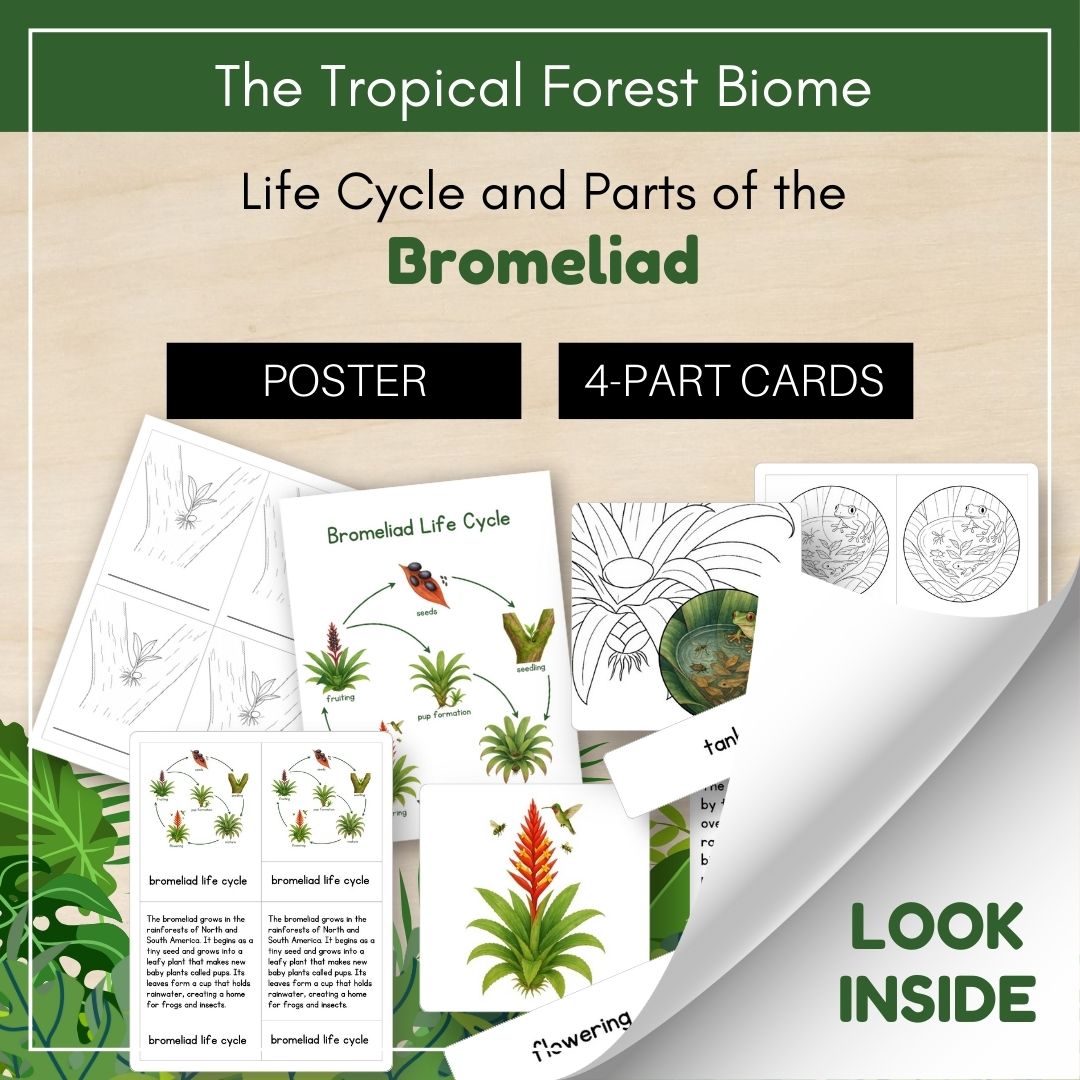
3-part cards and sorting materials for independent shelf work
-
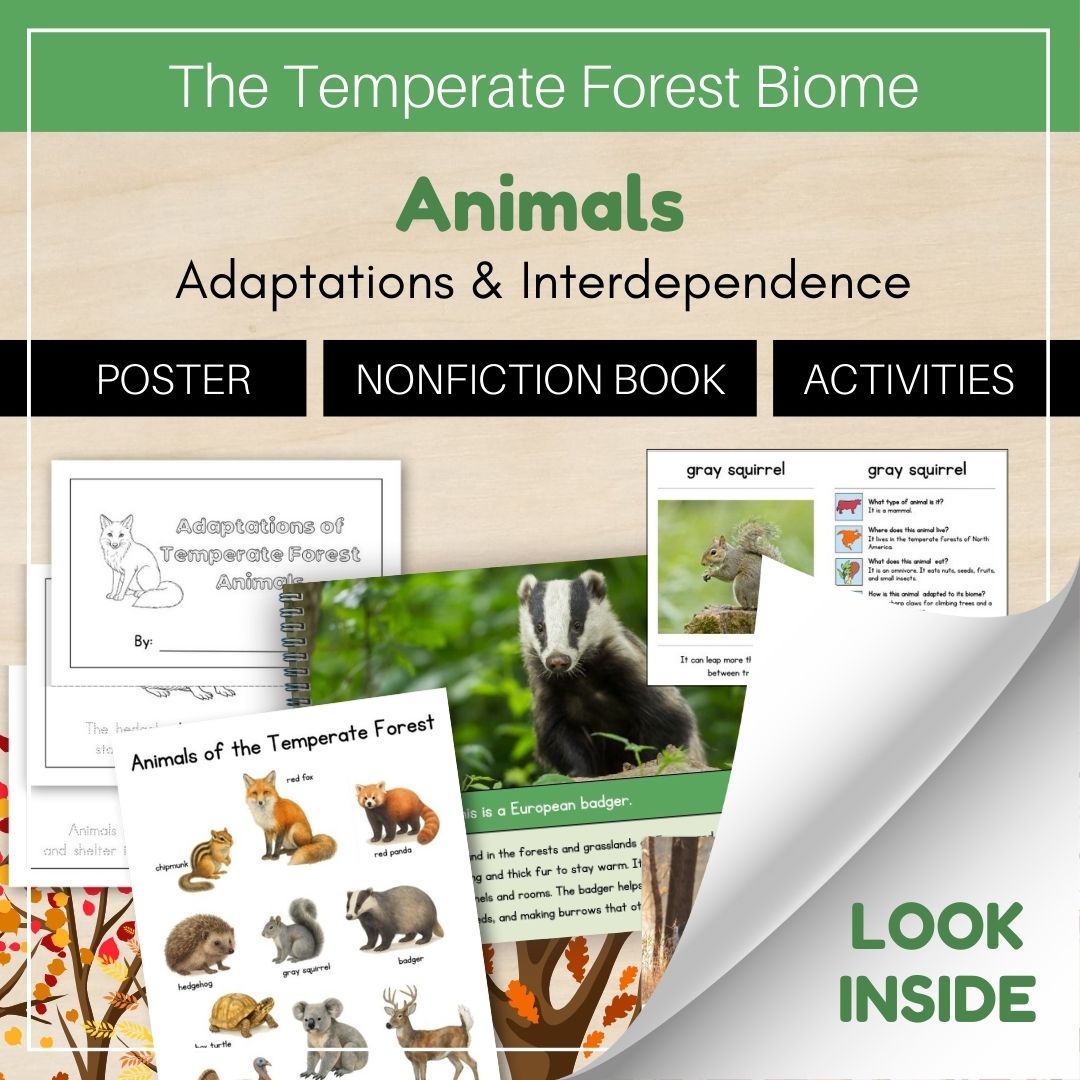
Fact cards with icons showing each organism’s biome, continent, and classification
-
Step-by-step animal drawing cards to inspire creative extensions and reports
-
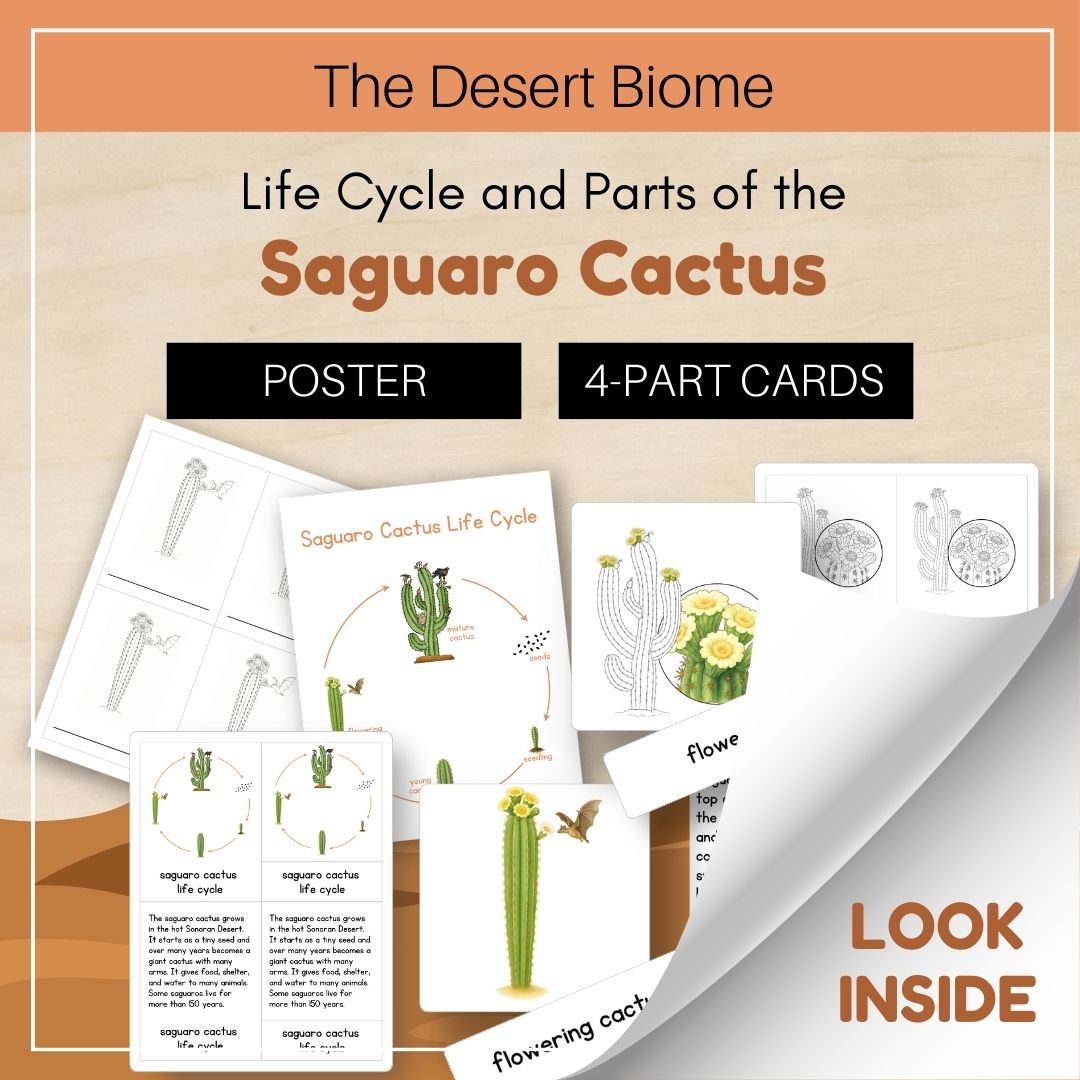
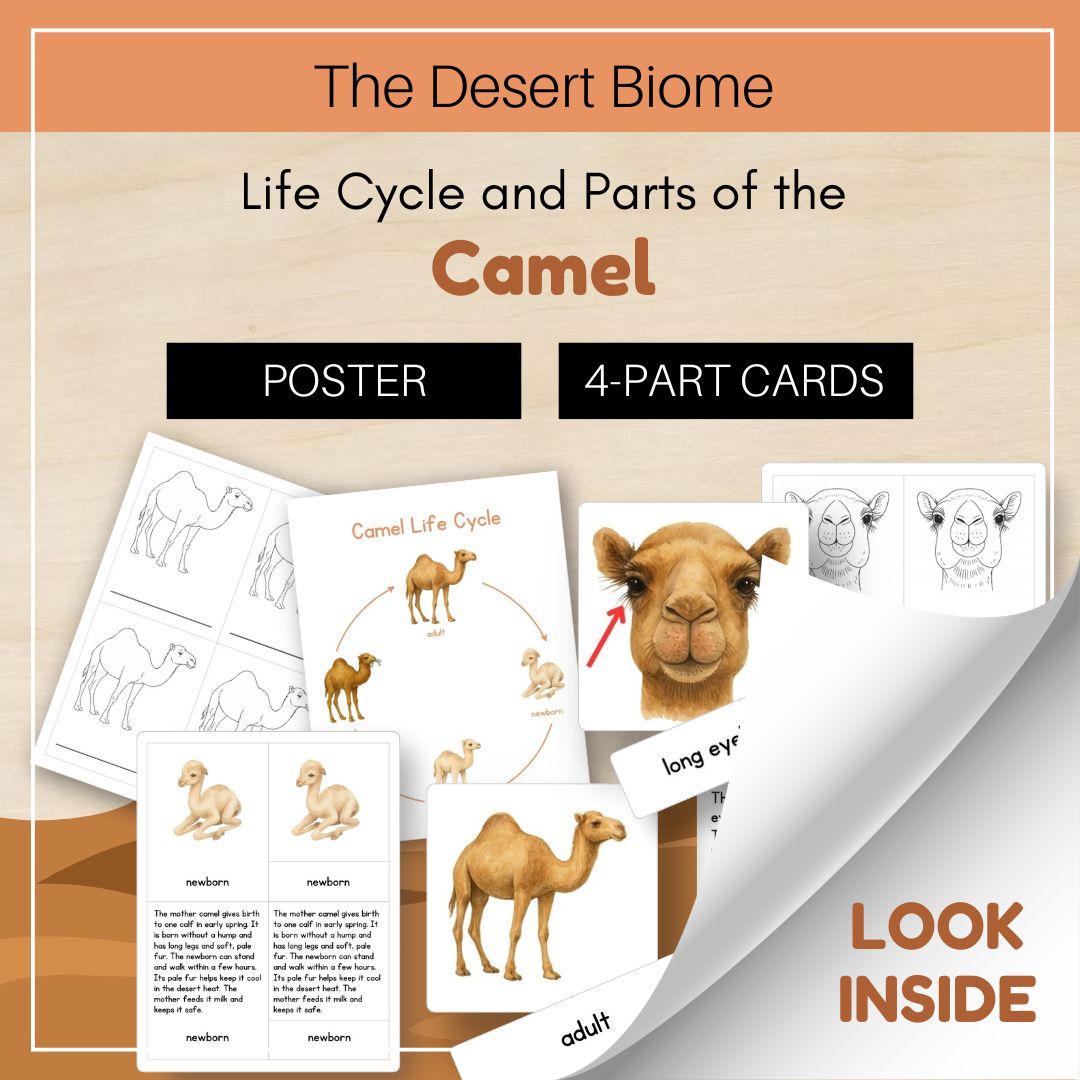
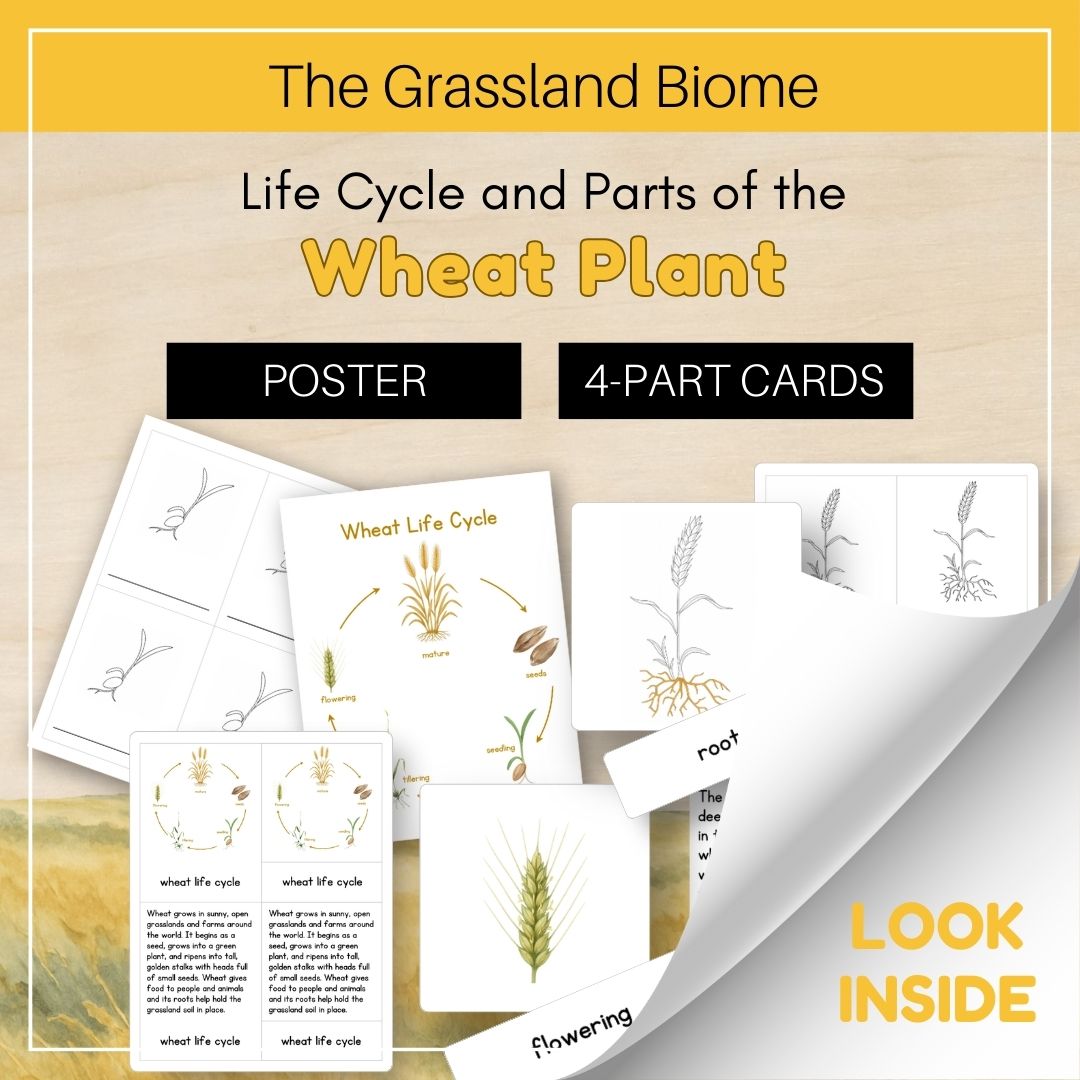
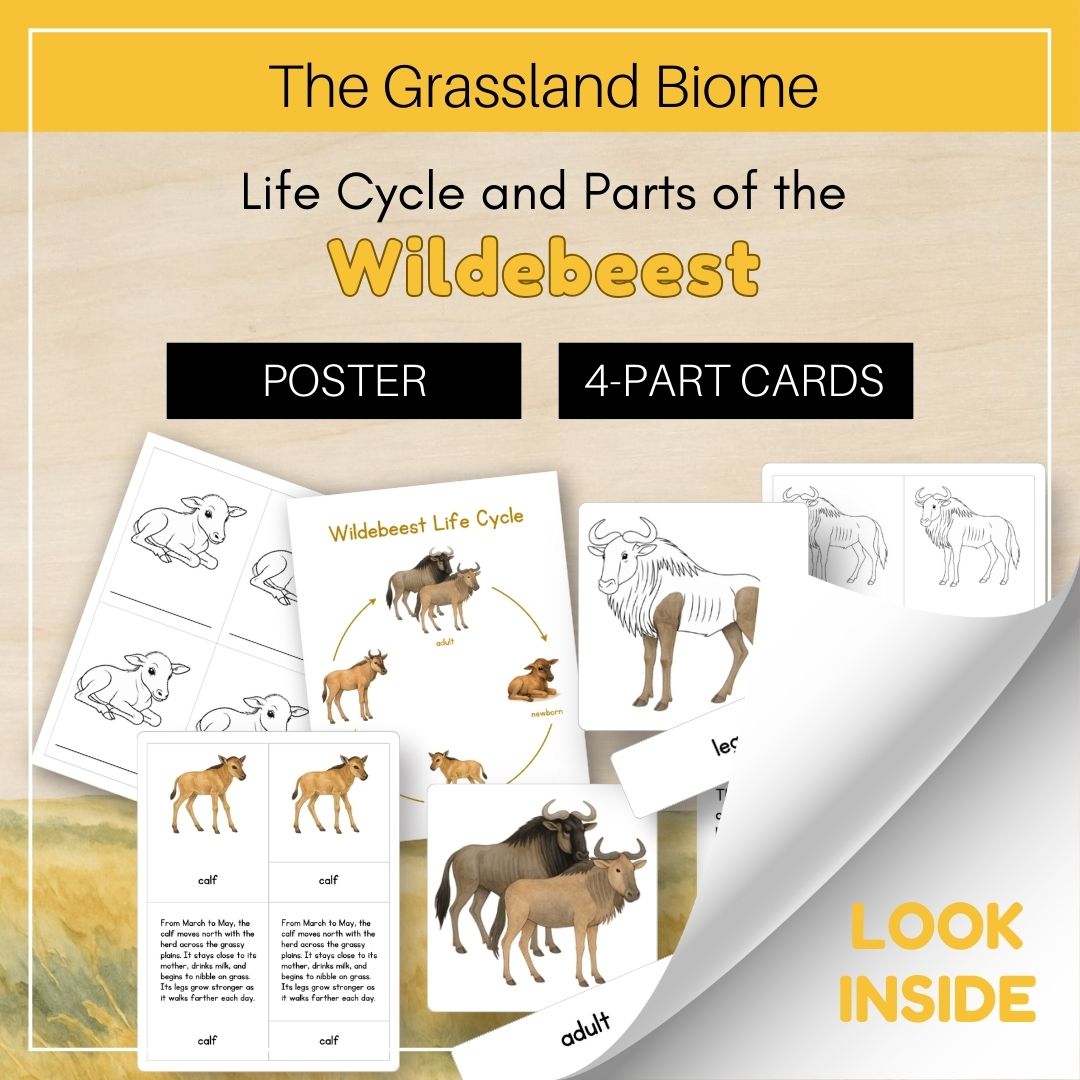
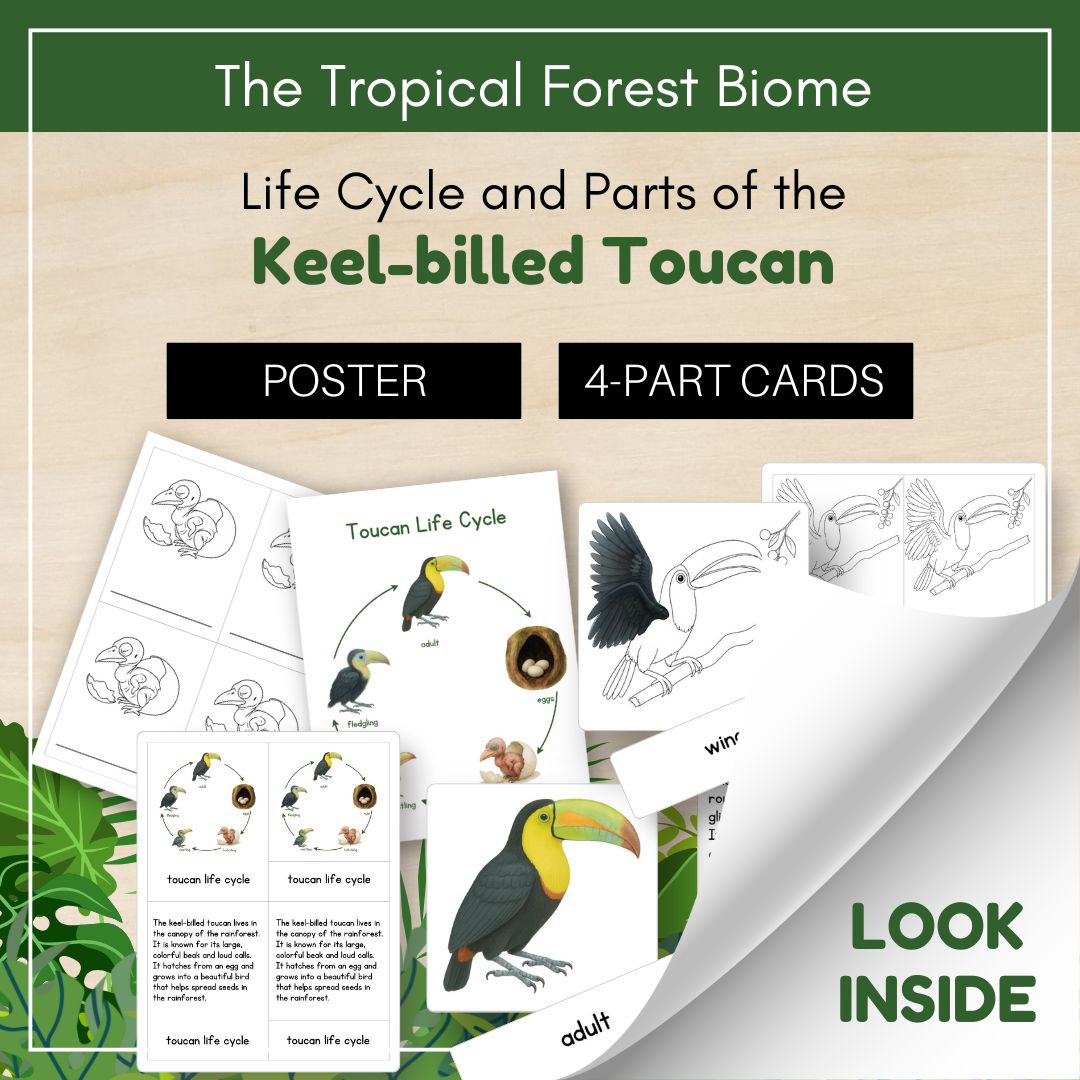
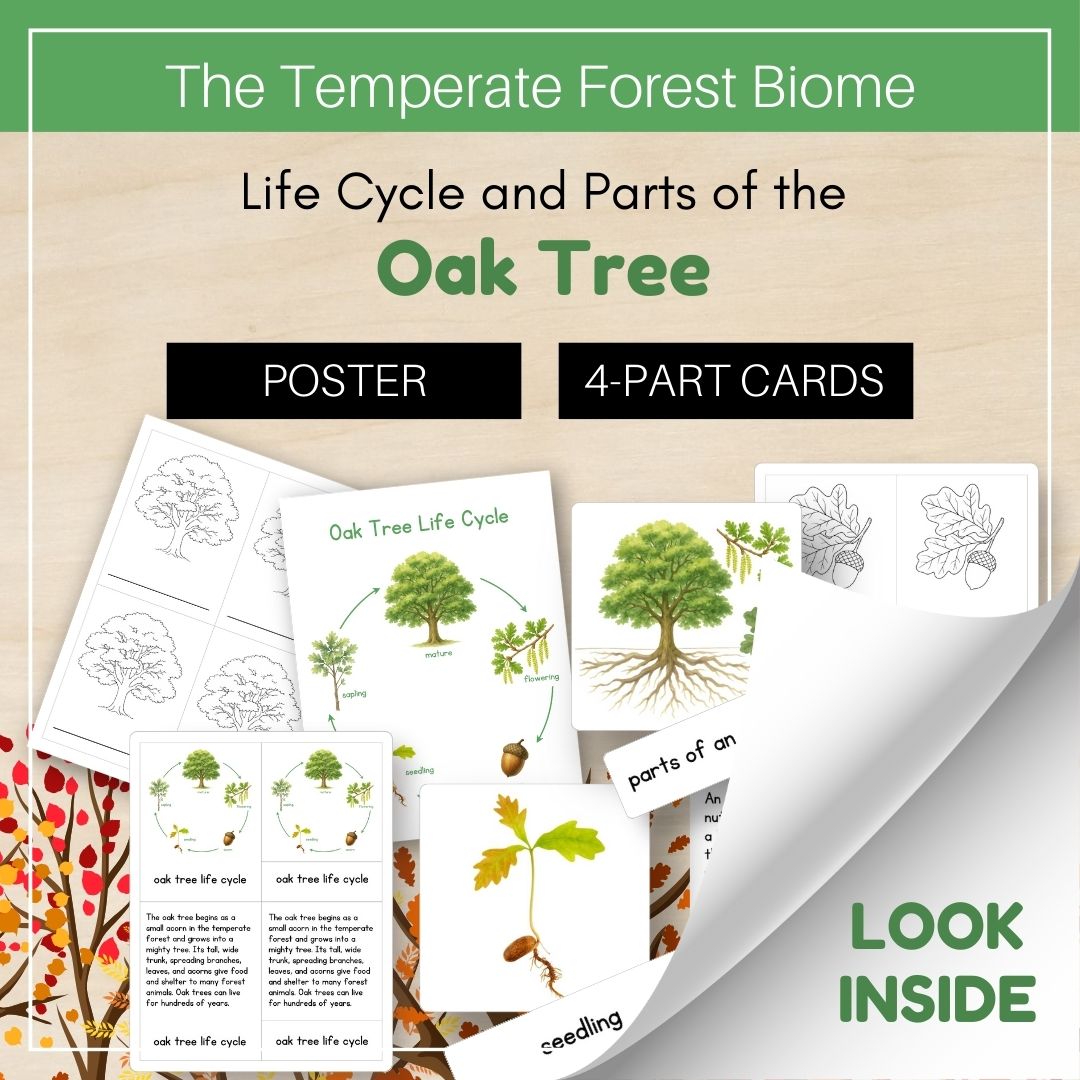
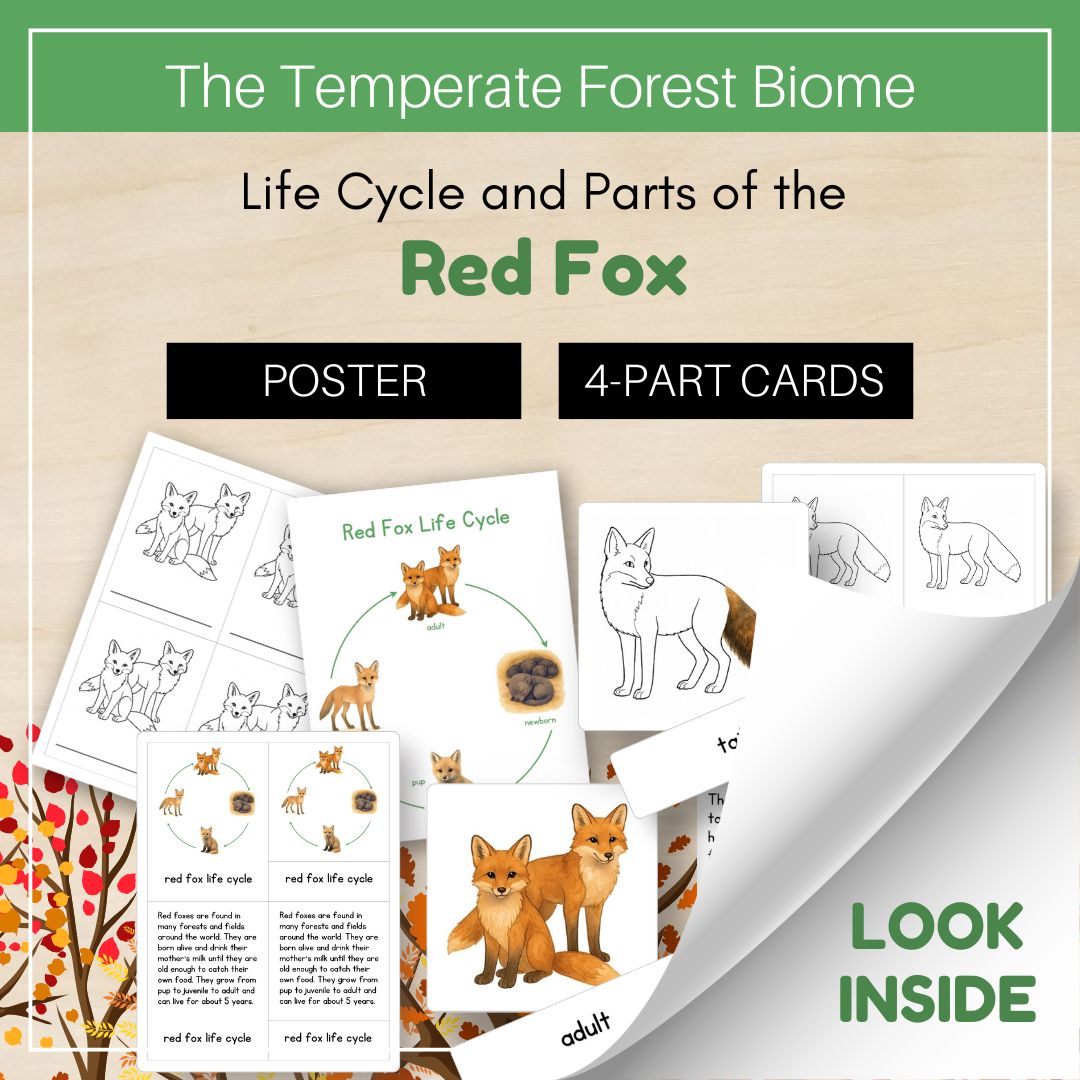
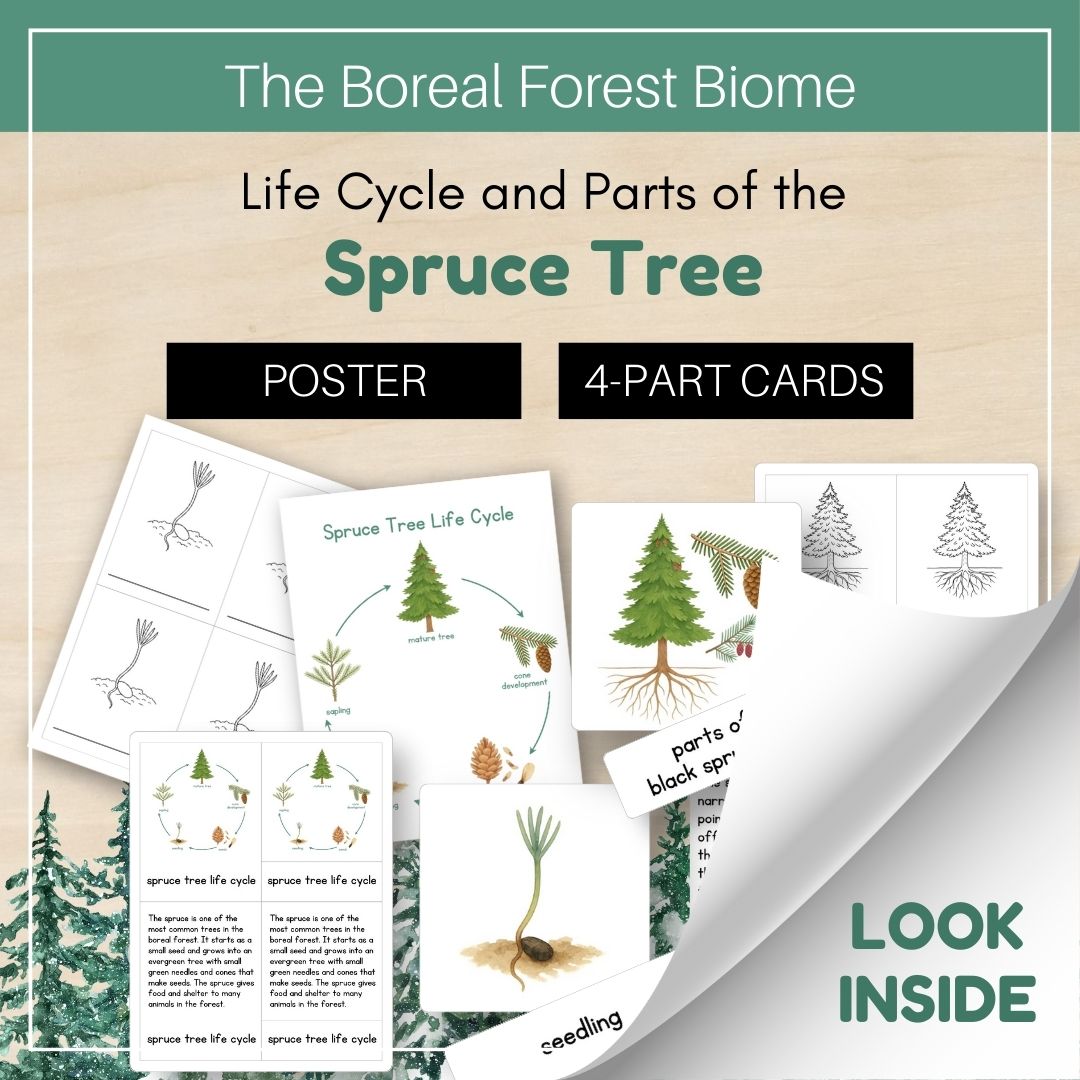
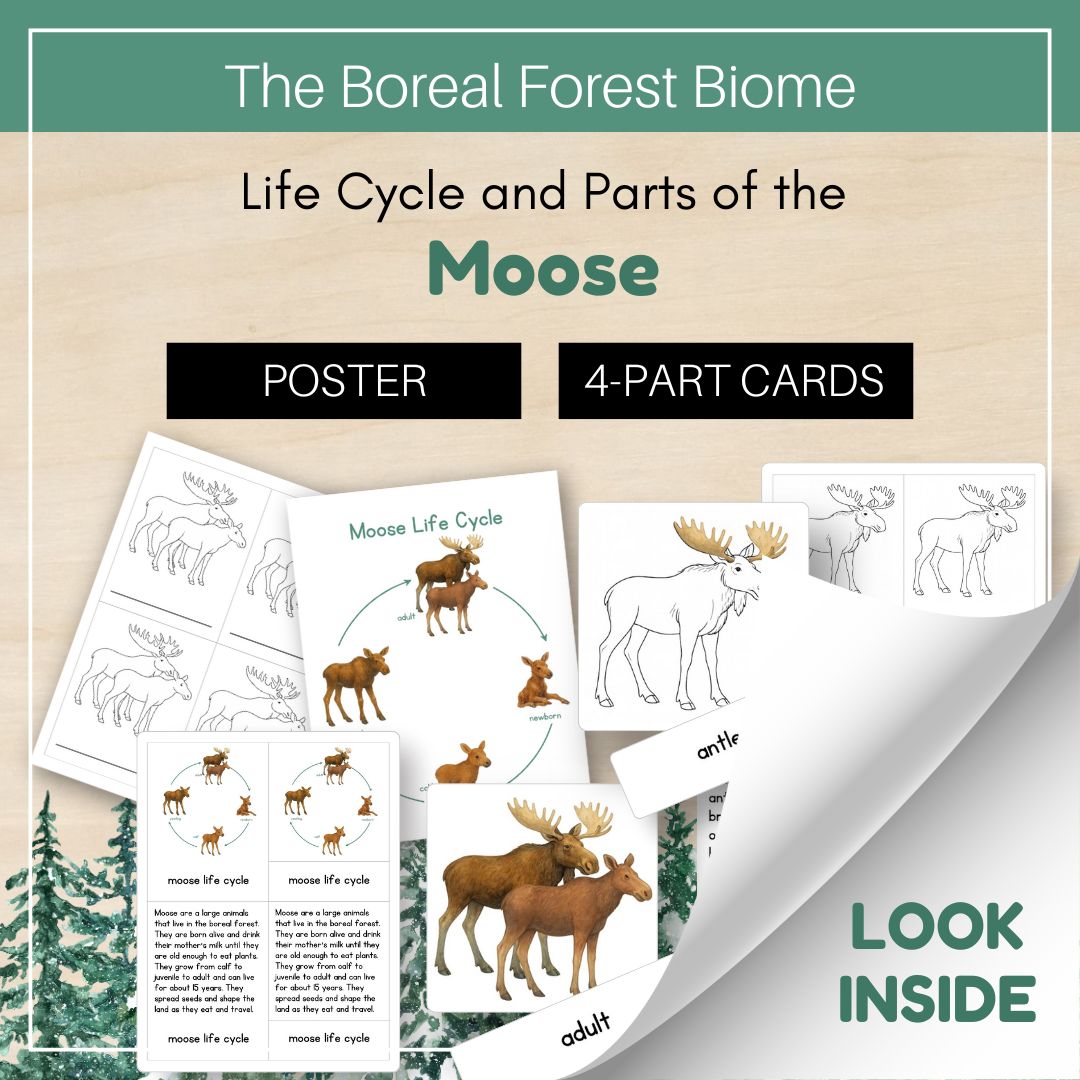
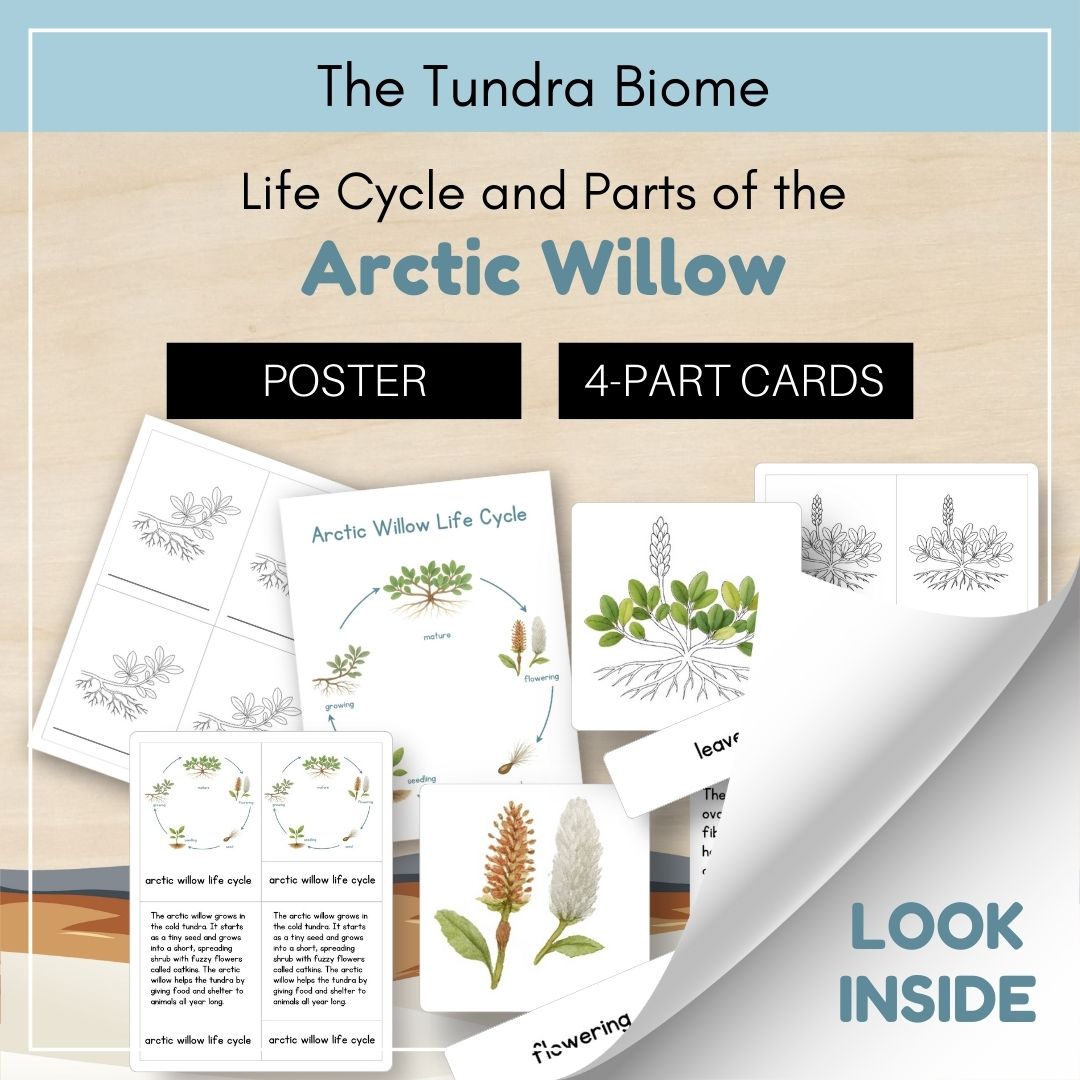
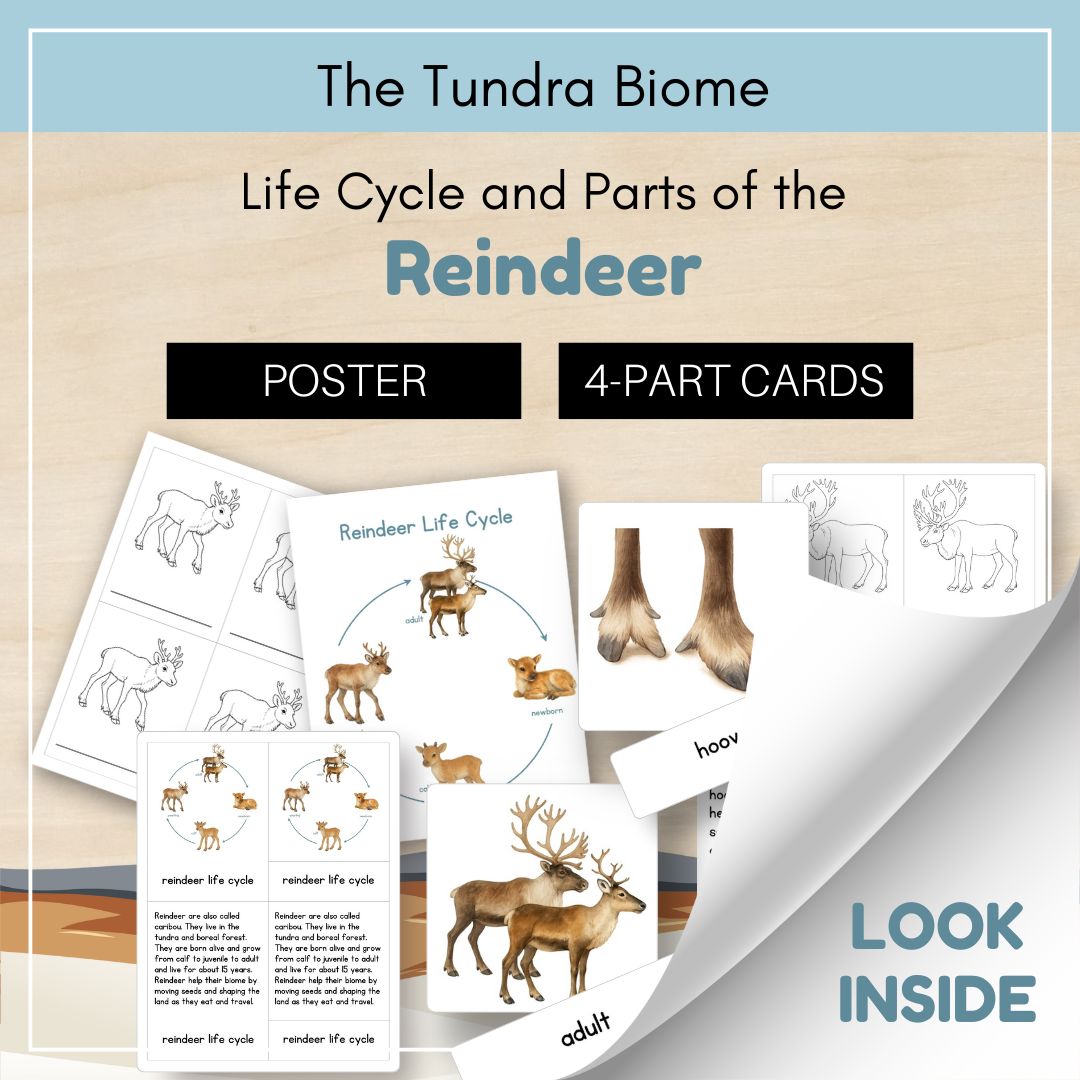
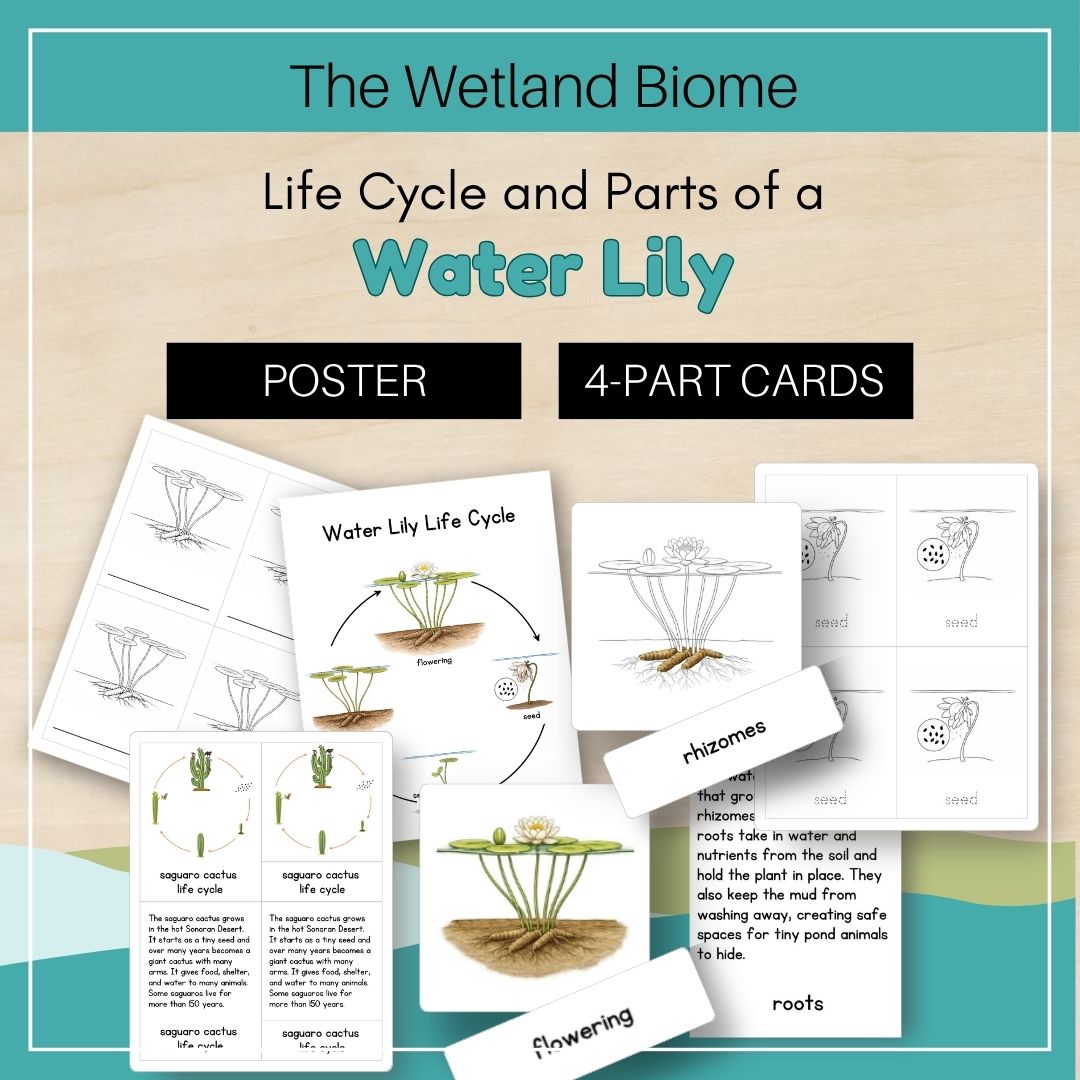
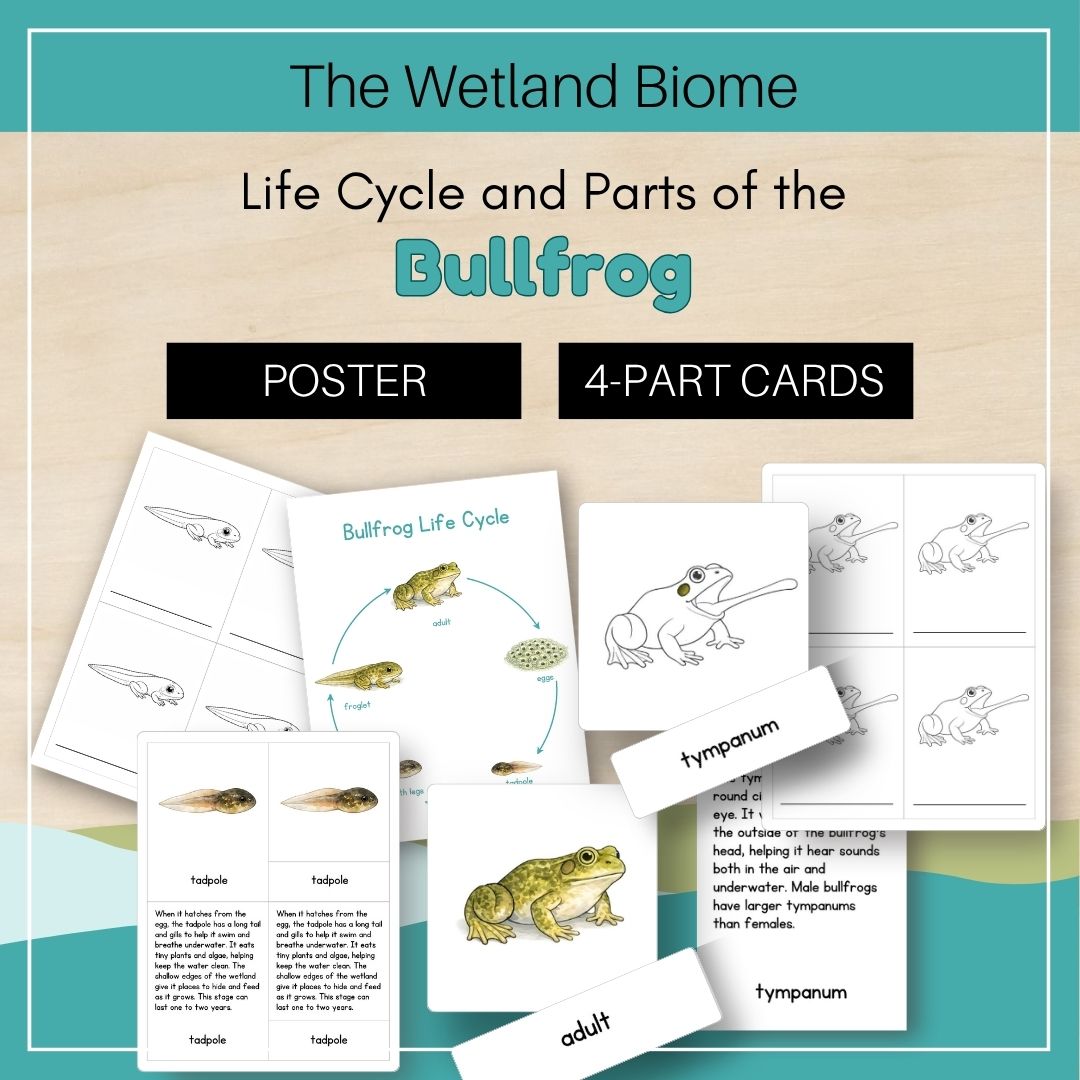
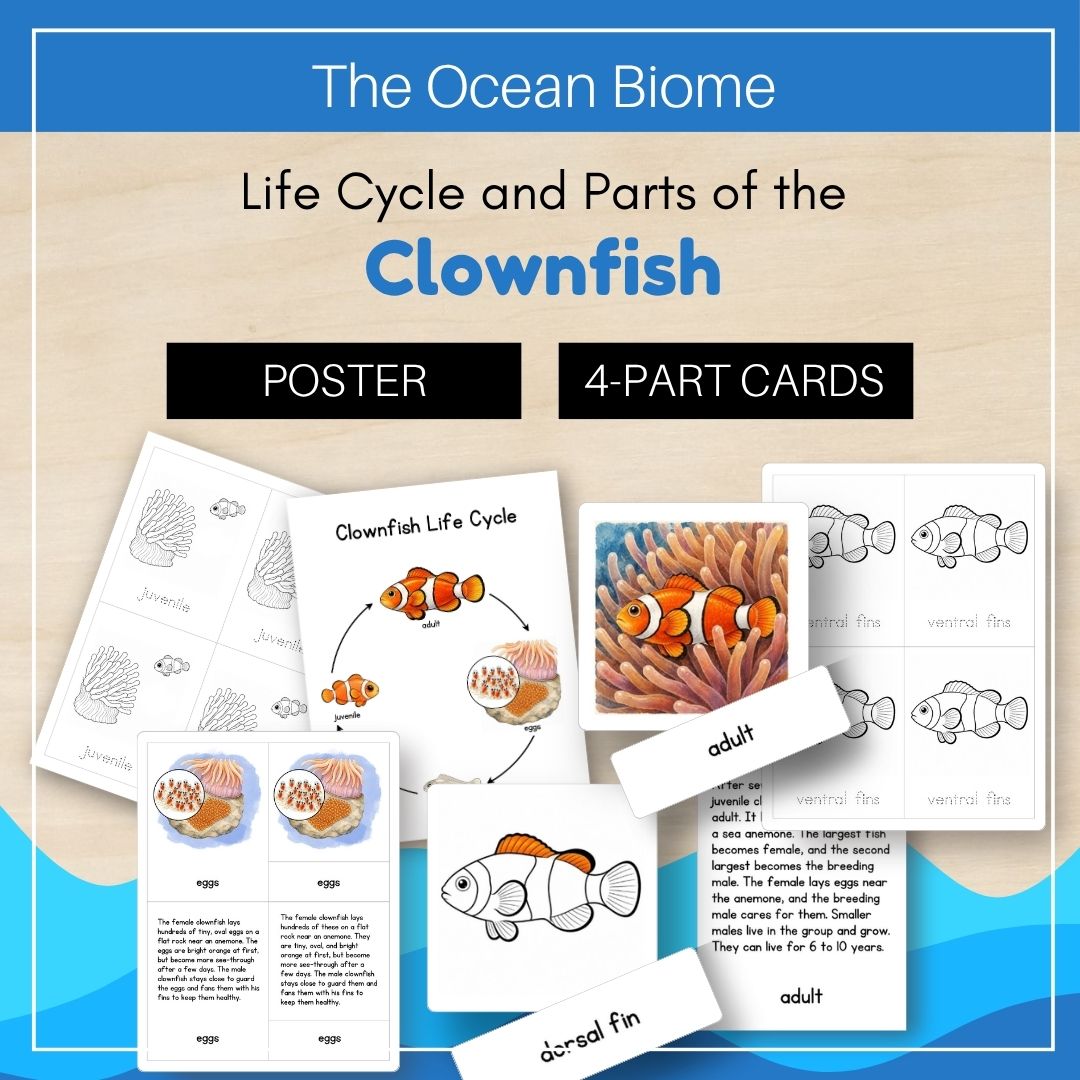
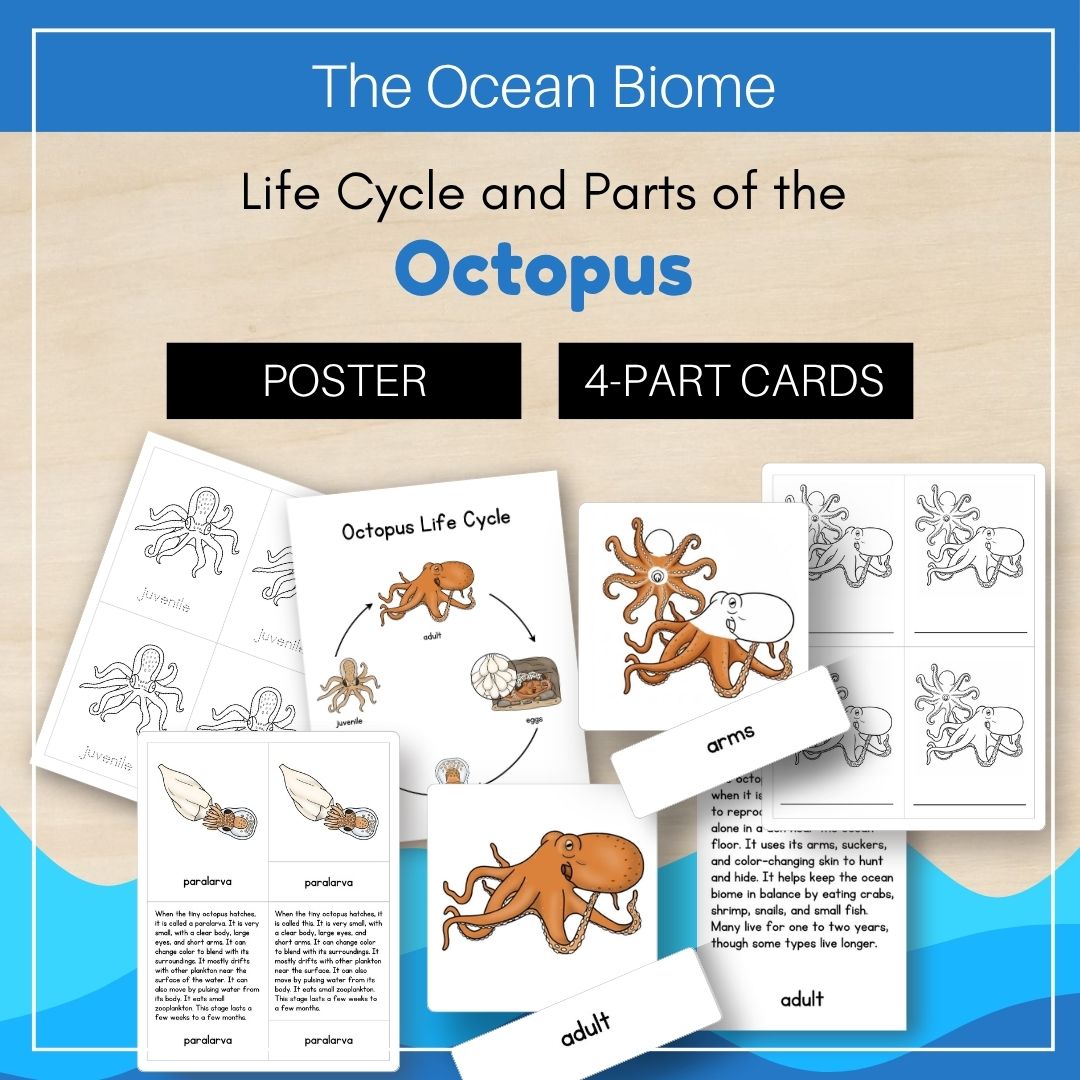
Parts-of and life cycle cards featuring keystone/iconic organisms and their adaptations
-
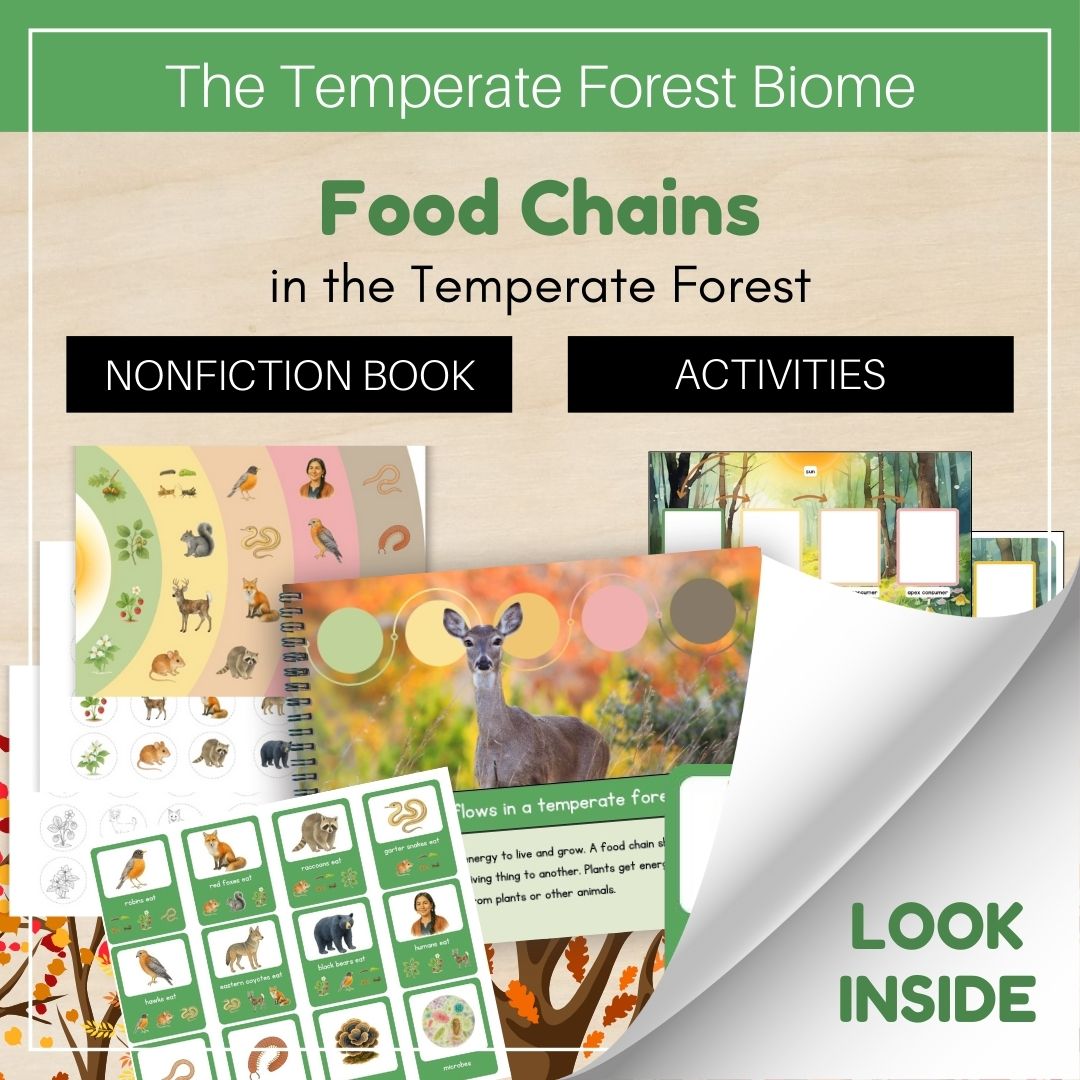
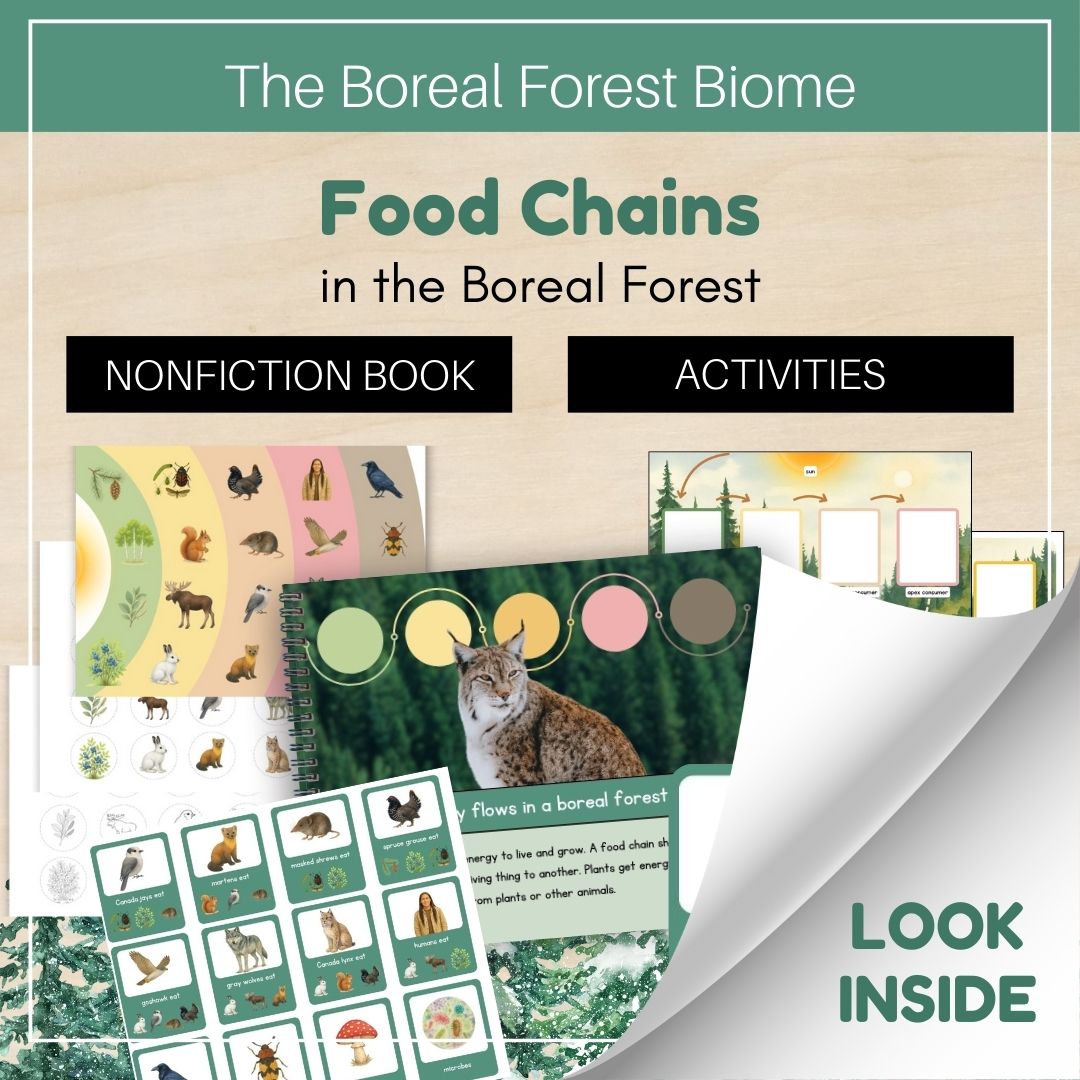
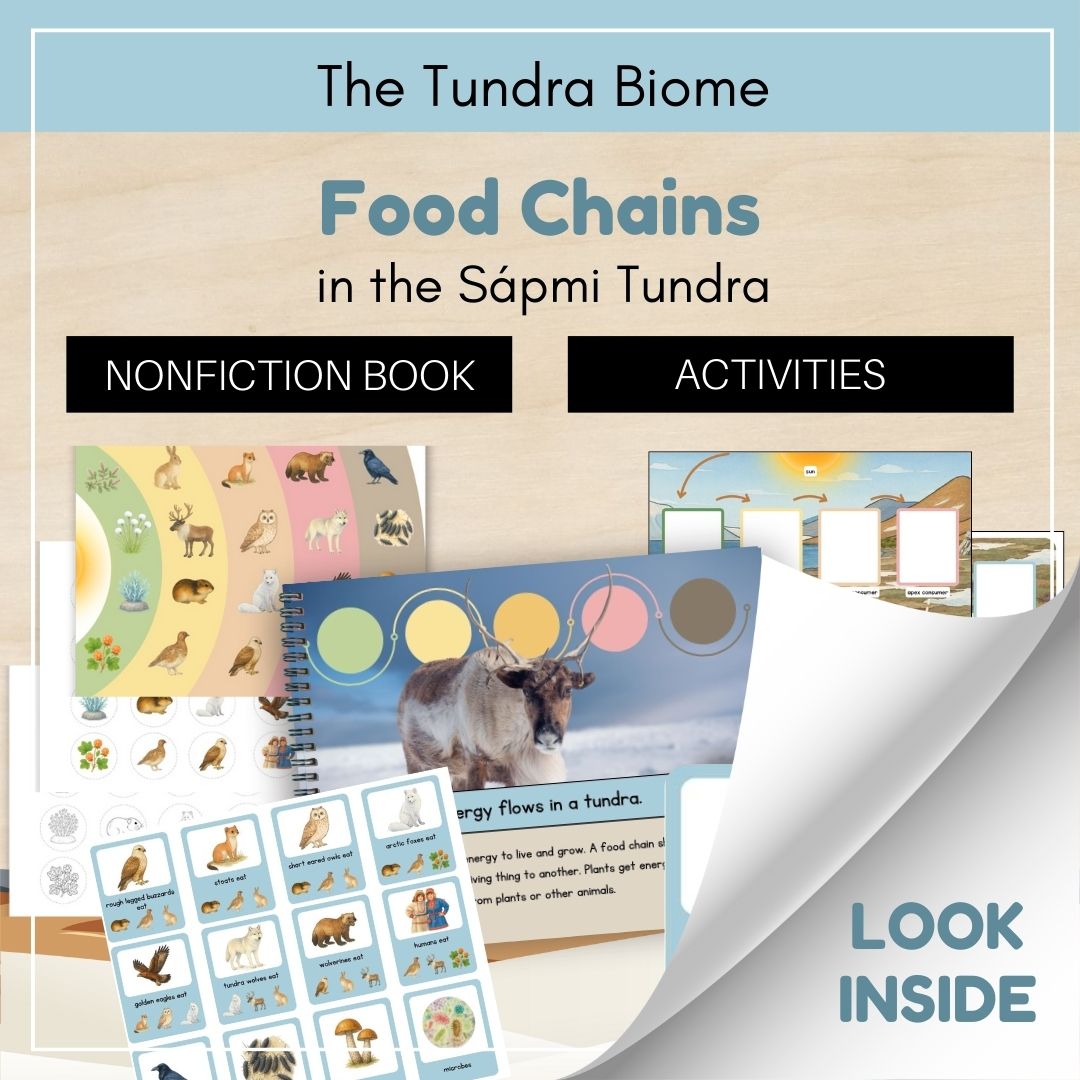
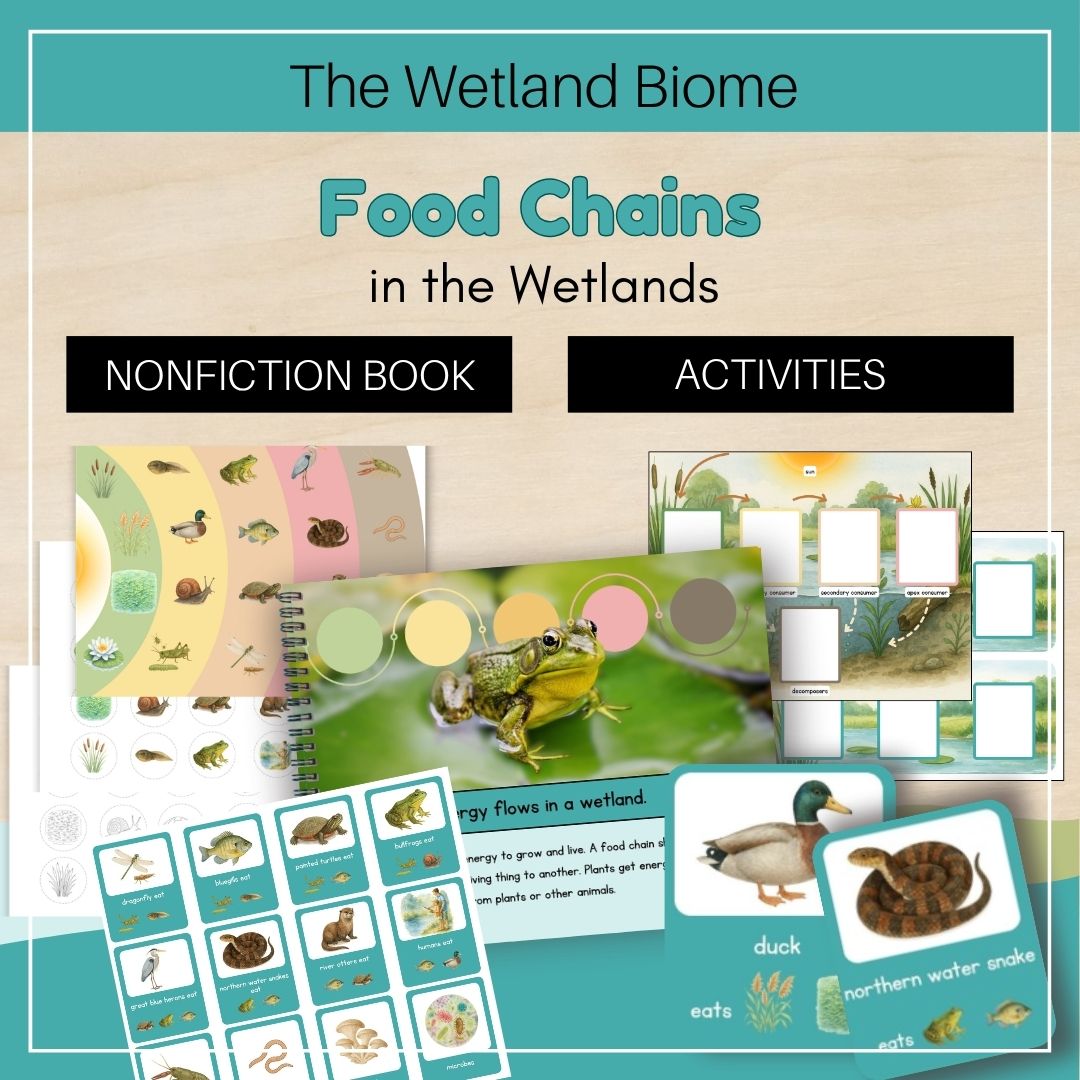
Food chain and diet cards that invite children to build their own food chains and webs
The full curriculum is divided into:
-
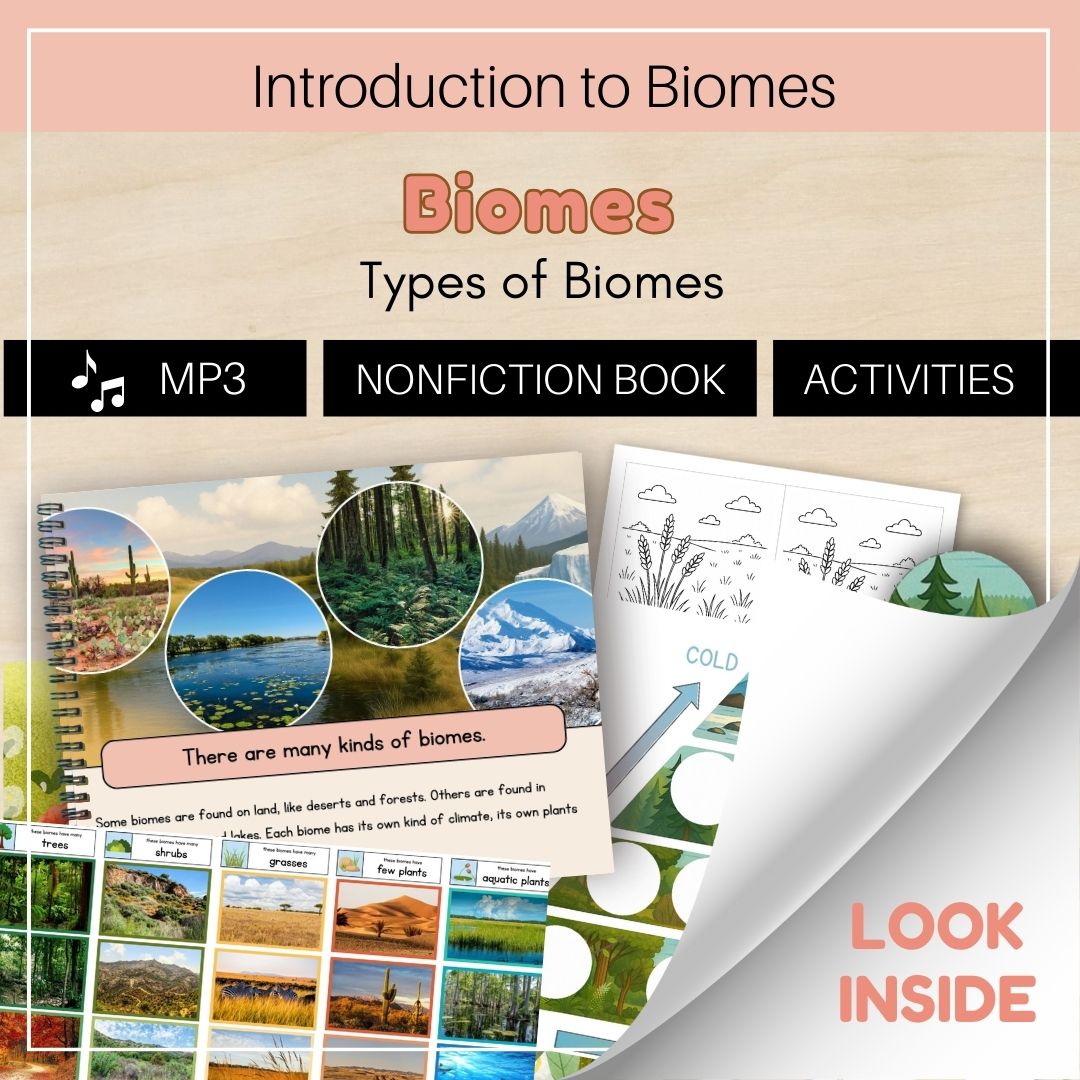
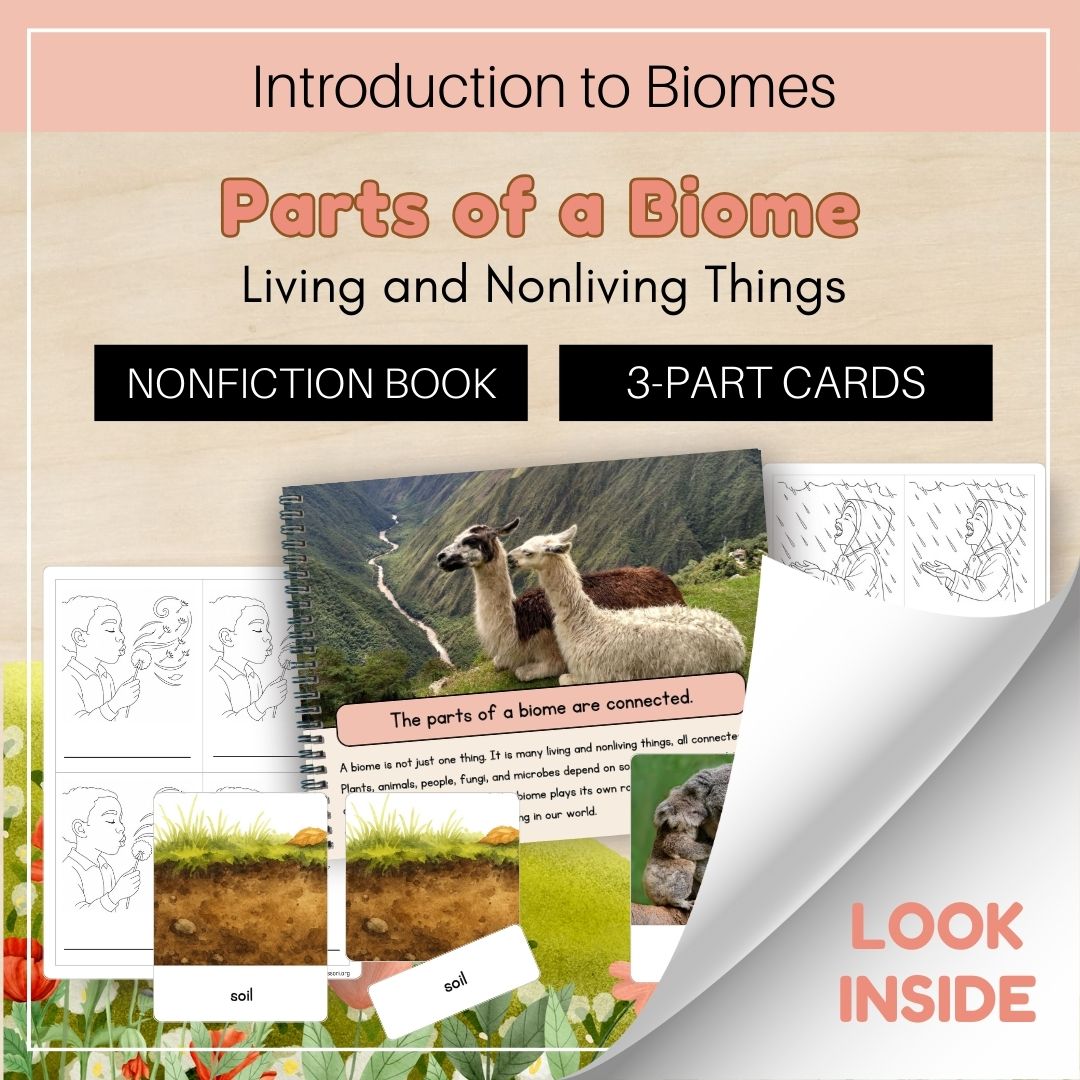
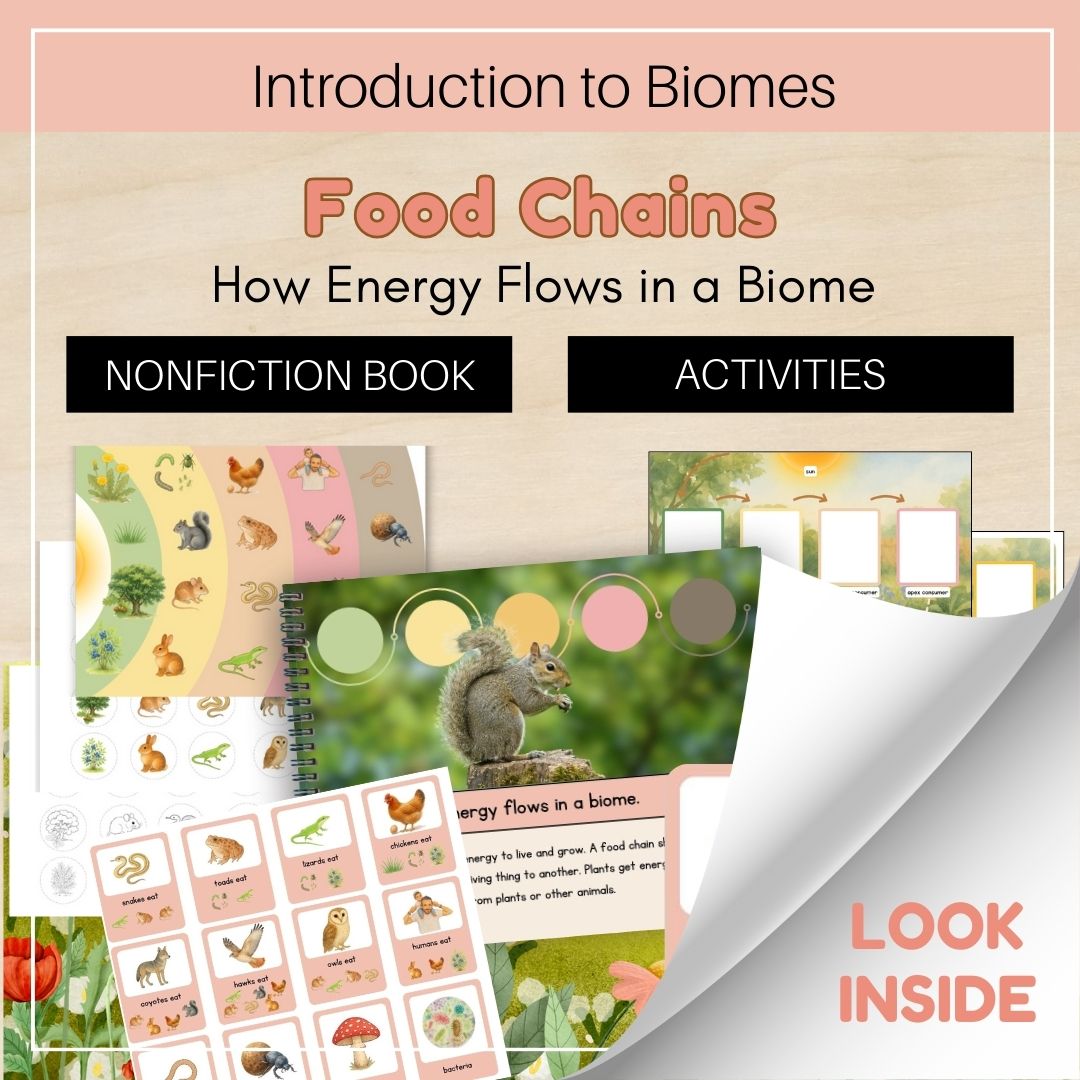
Intro Unit: Introduction to Biomes of the World, Parts of a Biome, Introduction to Food Chains
-
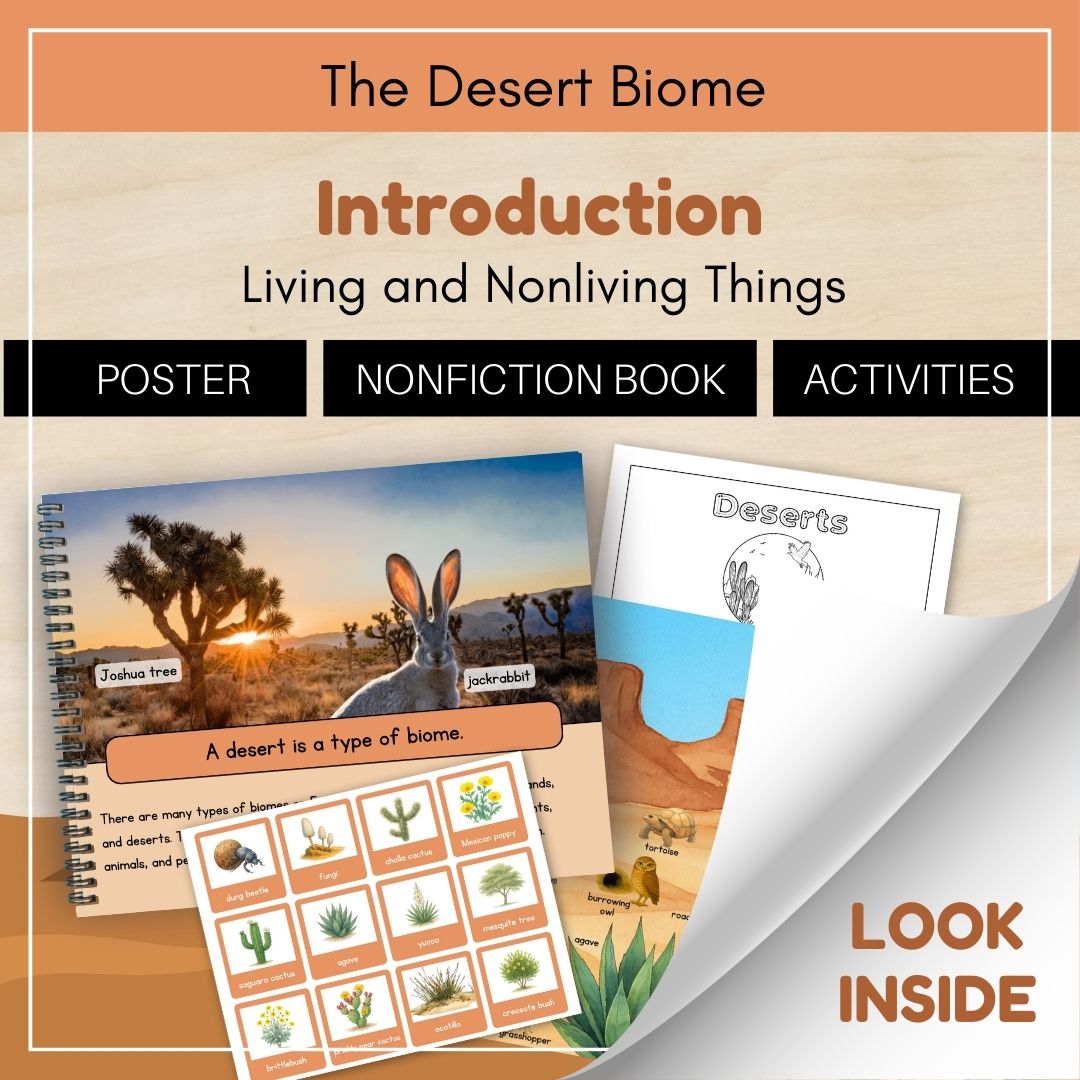
Land Biomes: Desert, Grassland, Tropical Forest, Temperate Forest, Boreal Forest, and Tundra
-
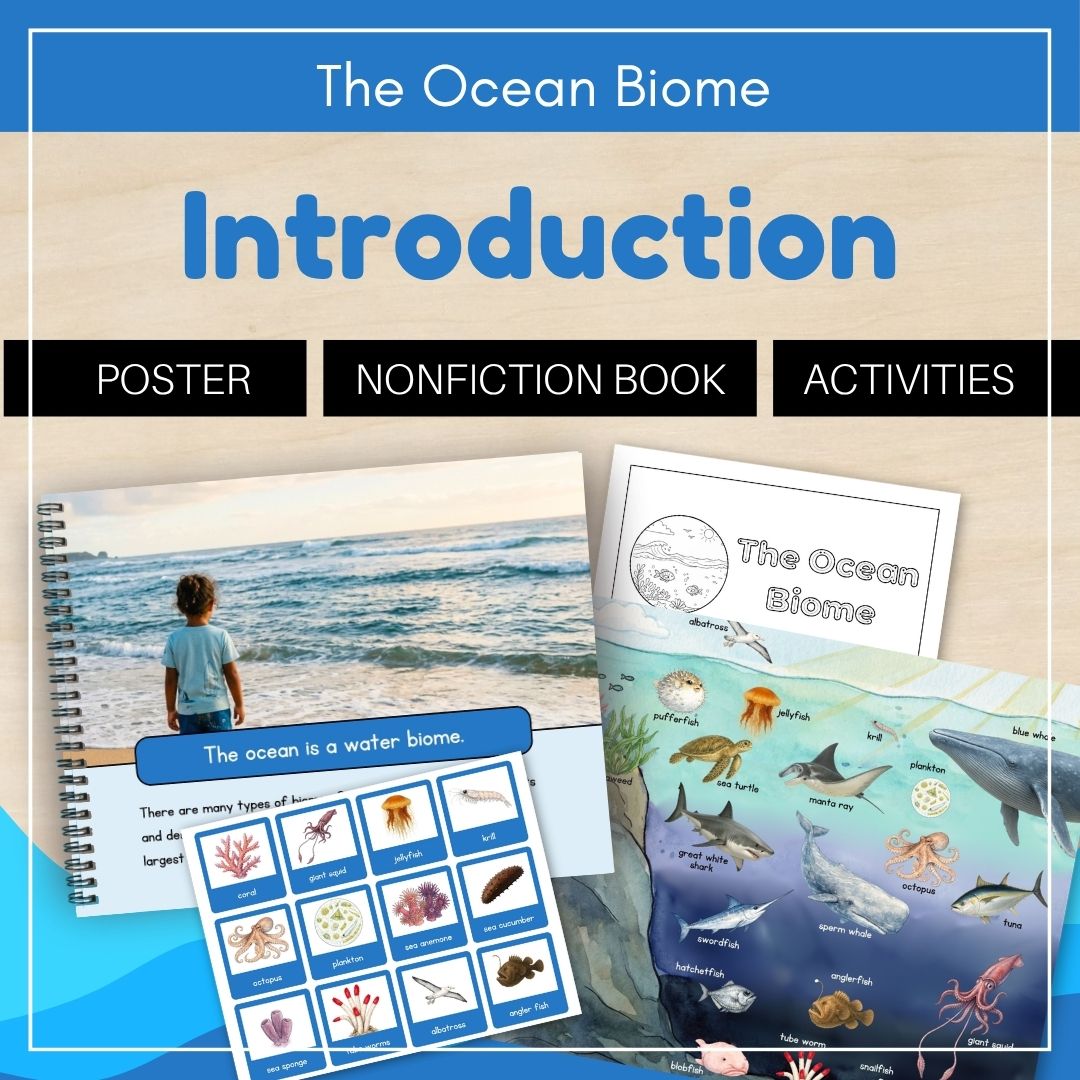
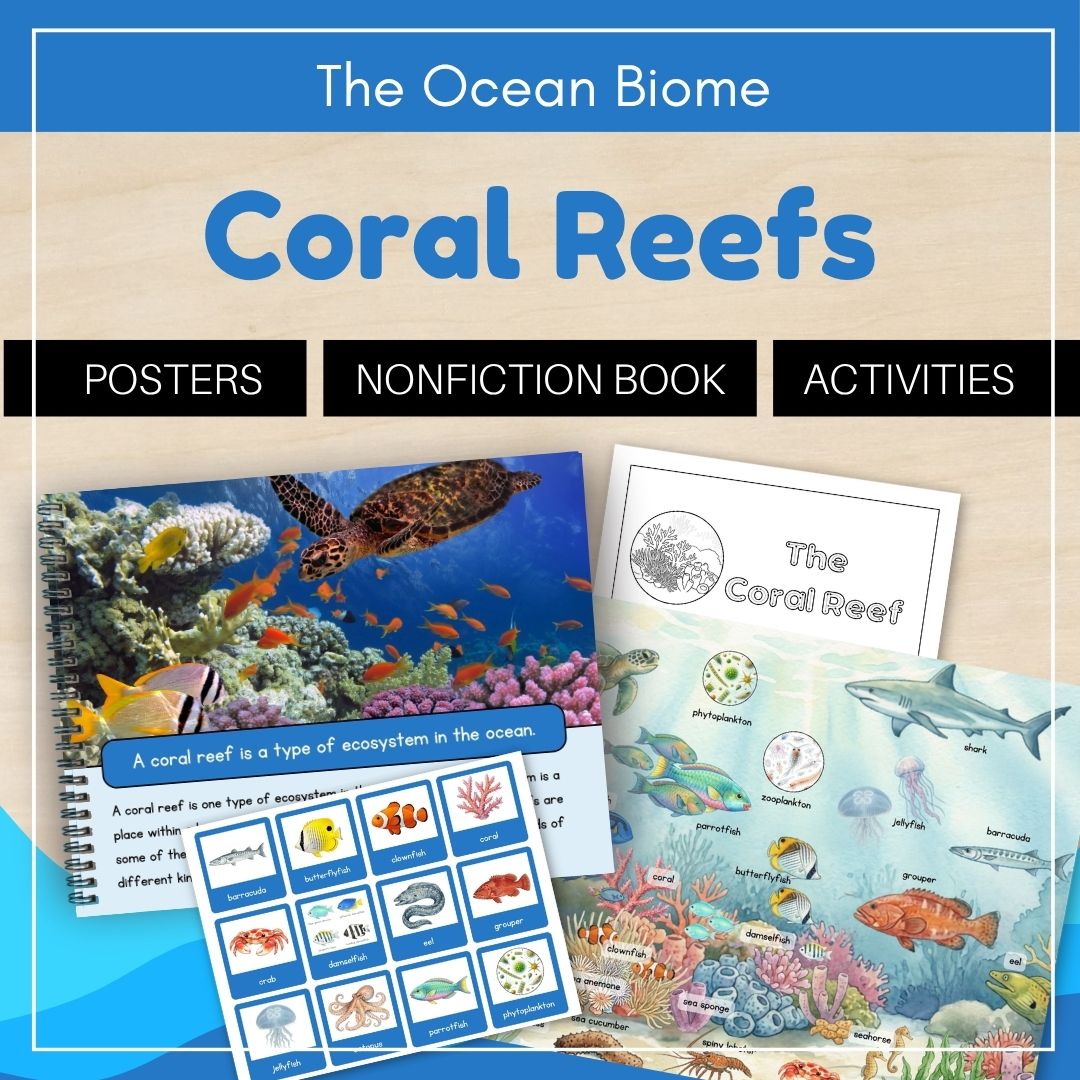
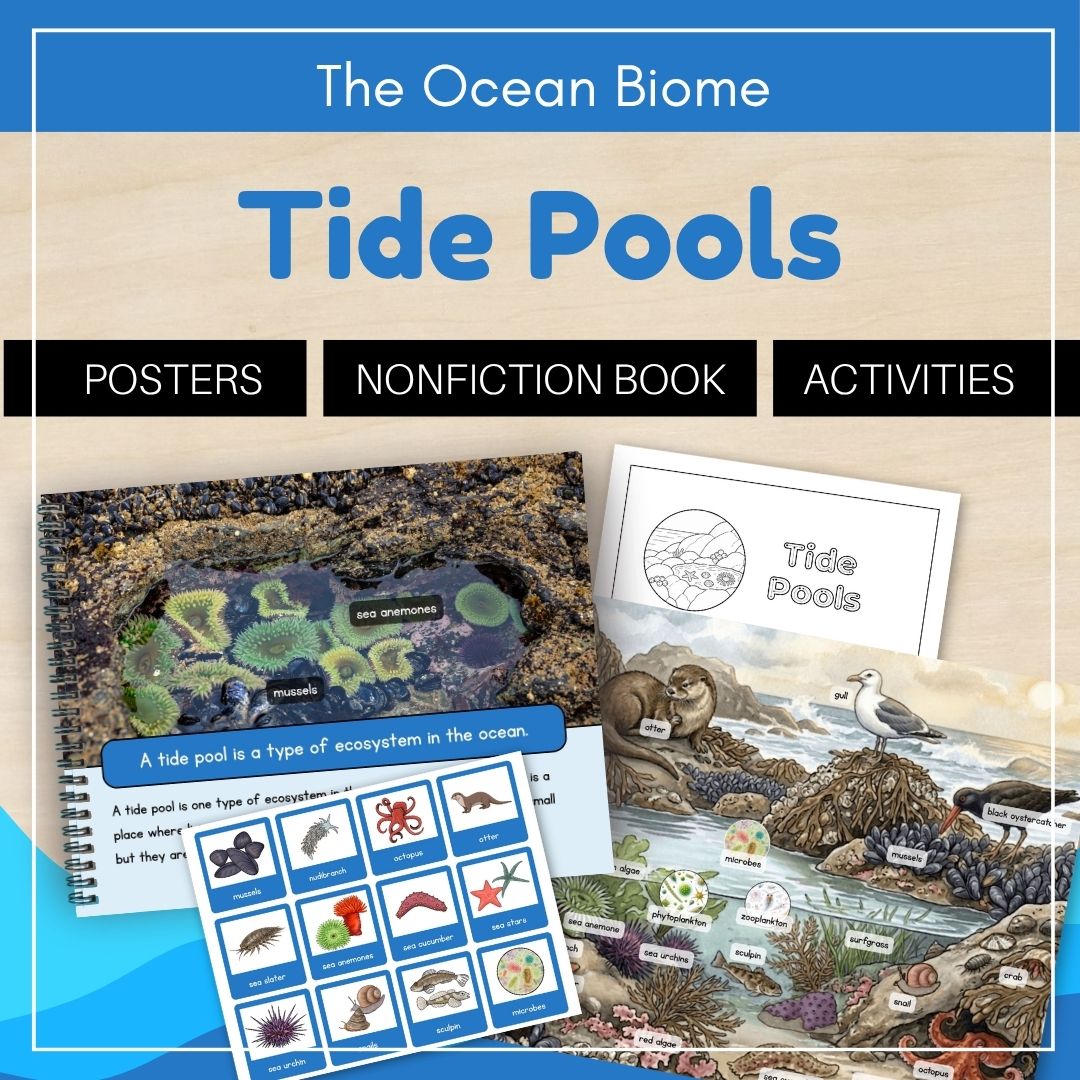
Water Biomes: Wetland and Ocean
INTRODUCTION TO BIOMES
Now available to purchase separately here.

Purchased the bundle option?