Mice are rodents, while shrews belong to a different mammal group that also includes moles and hedgehogs. Many mice have relatively large eyes and ears; shrews typically have small eyes and a long, pointed snout. Diet and tail proportions vary by species.
In fact, they belong to entirely different animal groups and have dramatically different diets, habitats, behaviors, and survival strategies. Understanding the difference between a mouse and a shrew isn’t just a matter of curiosity—it can help you identify which animal you’re seeing in your yard, garden, or even your home.
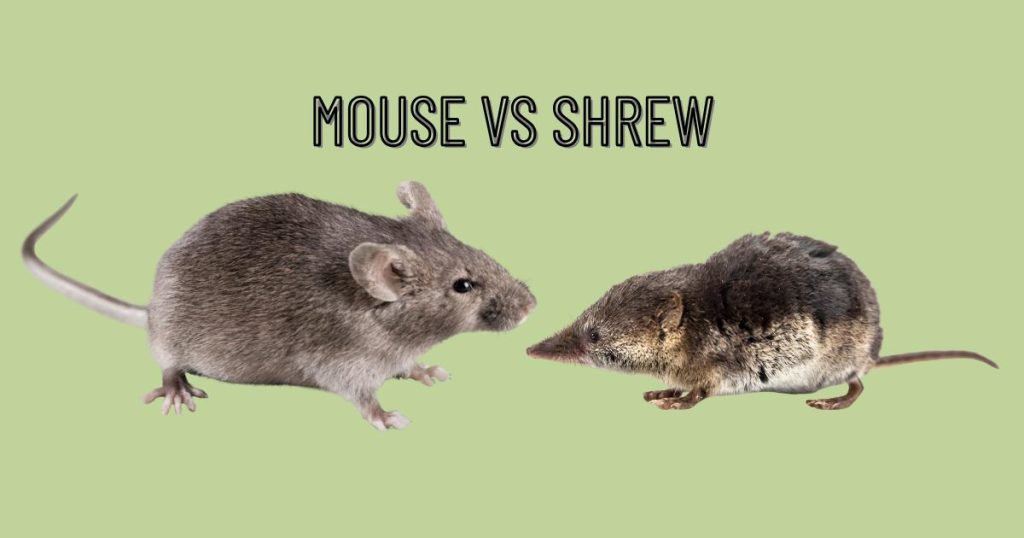
Scientific Classification and Physical Characteristics
The most significant difference between mice and shrews lies in their genetics. Mice are rodents, characterized by their prominent, ever-growing front incisors. Shrews are insectivores, making them more closely related to moles and hedgehogs than to mice.
Physically, you can tell mice and shrews apart by their facial features.
The mouse has a rounded nose, large eyes relative to its face, and prominent, tulip-shaped ears. In contrast, the shrew features a long, pointed, highly mobile snout (somewhat like a tiny elephant’s trunk). A shrew’s eyes are relatively small, and their ears are usually tucked into their fur.
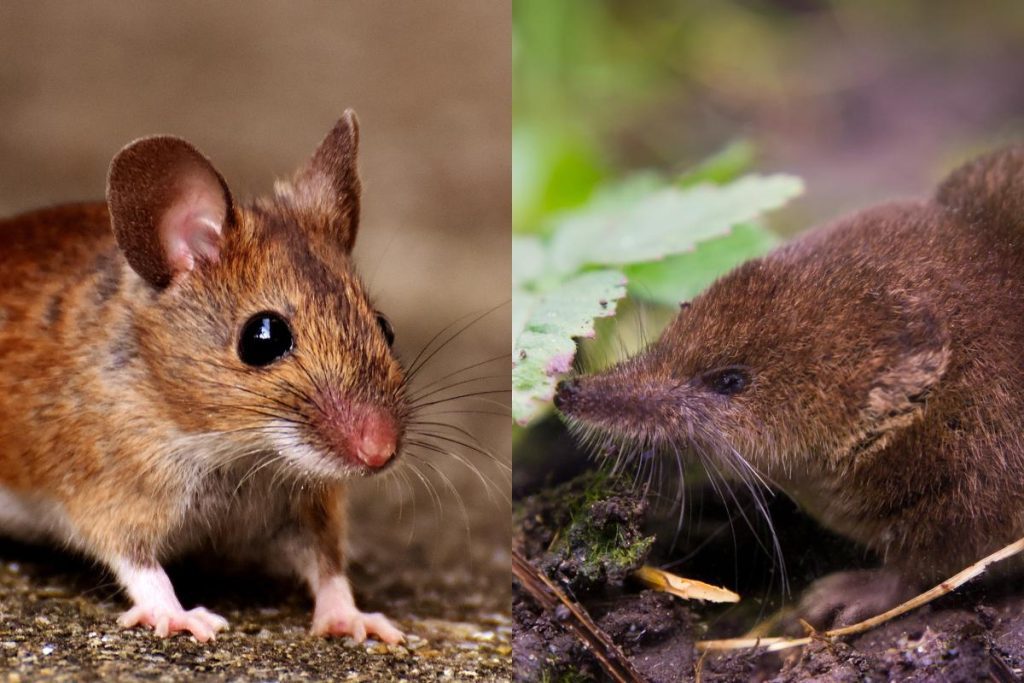
Mice and shrews also differ in body size.
A typical adult mouse measures between 7.5 and 10 centimeters (3 to 4 inches) in body length, with additional length from a tail that is usually equal to or slightly longer than the body. Their weight generally ranges from 12 to 30 grams. This is roughly the weight of a standard AA battery.
A typical adult shrew measures between 5 and 8 centimeters (2 to 3 inches) long. Even full-grown adults are incredibly light, often weighing only 6 to 12 grams—which is about the same as two or three copper pennies.
Finally, mice and shrews differ in tail shape.
Compared to mice, many shrew species have much shorter tails relative to their bodies. A shrew’s tail is often only about one-half to two-thirds the length of its body.
Tail length alone is not a dependable test: some shrews have long tails, and mouse species also vary. Compare the snout, eyes, ears, feet, and local species together.

Habitat and Diet
Specialized Habitats
While both animals are adaptable, their biological needs lead them to very different environments.
Mice are famous for being commensal, a word meaning they “share the table” with humans. They thrive in houses, granaries, and urban areas where they can find warmth and stored food. Because they can store fat and enter a low-energy state called torpor, they can survive in a wider variety of temperatures and conditions.
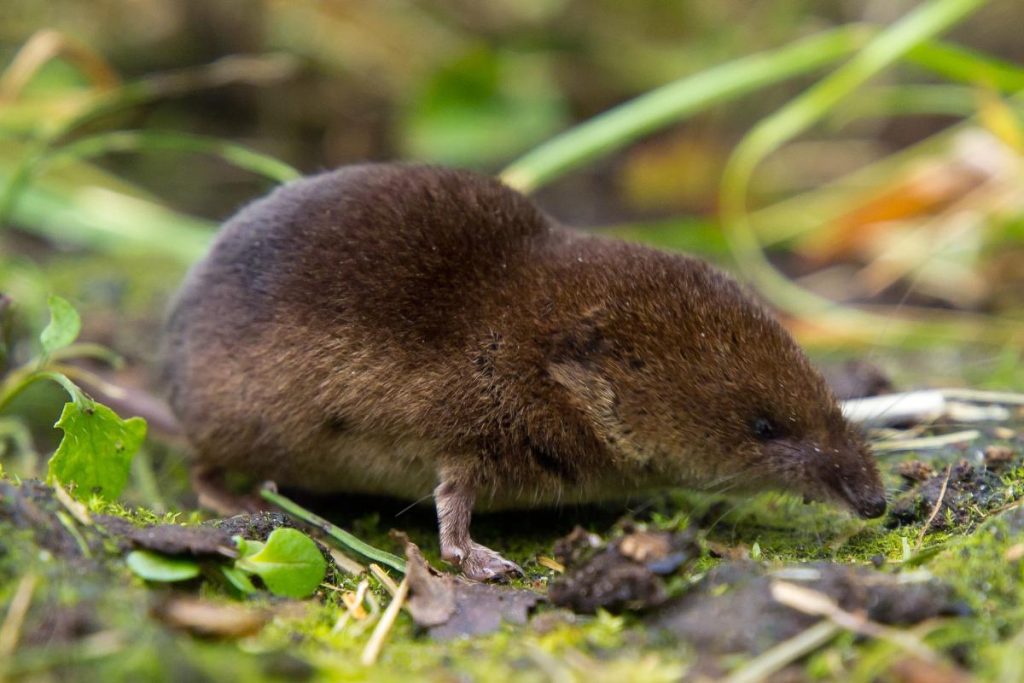
Shrews, conversely, are rarely found inside homes because they require specific outdoor conditions to fuel their high-speed bodies. They prefer moist leaf litter, dense gardens, and rotting logs. These damp environments are home to the high-volume food sources shrews need to stay alive.
Distinct Dietary Needs
The most dramatic difference between mouse vs shrew is how much—and what—they eat.
Many mice are omnivores, eating seeds, grains, insects, and other available foods. Shrews mainly eat invertebrates and other small animals; their high energy needs vary with species, size, and conditions.
In contrast, a shrew is a dedicated insectivore. With a heart rate that can hit 1,200 beats per minute, it is essentially a biological engine that never turns off and requires constant fuel. A shrew must eat nearly its own body weight in insects, worms, and small animals every single day. If a shrew is unable to find food for even a few hours, its metabolism will exhaust its internal energy reserves, leading to starvation.
Behavior and Reproduction
Behavior
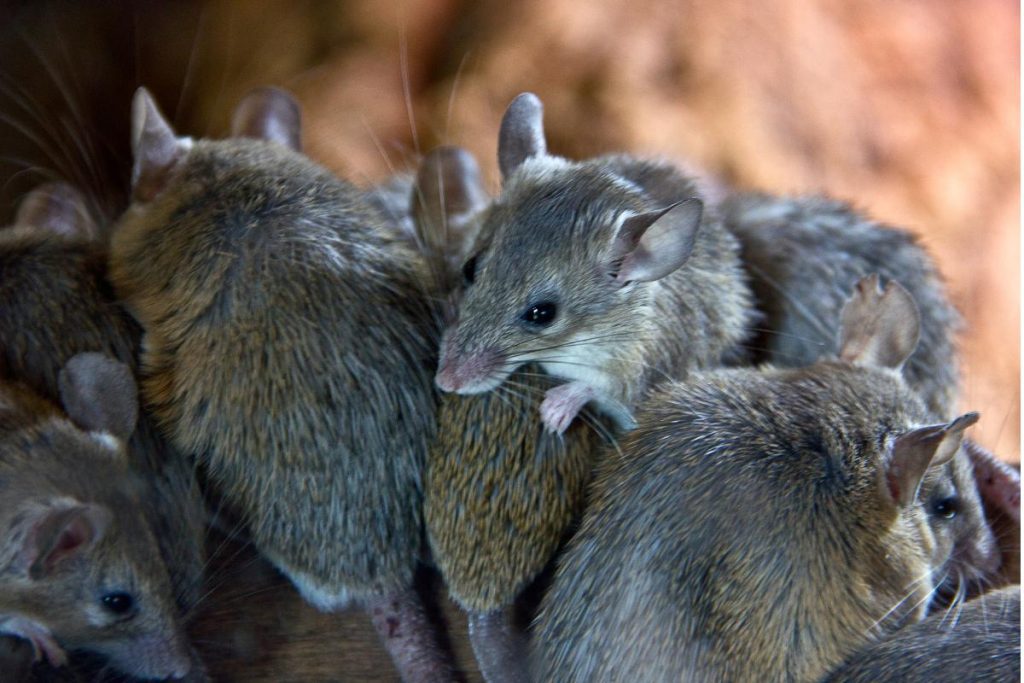
Highly social creatures, mice often live in family groups and communicate with high-pitched squeaks. Mice rely heavily on their vision and hearing to navigate the world.
Shrews are generally solitary and aggressive. Some shrews are even venomous, using toxic saliva to paralyze larger prey like frogs or even other small mammals. Interestingly, some species of shrews are among the few mammals that use echolocation—similar to bats—to navigate their underground tunnels.
Reproduction and Lifespan
Both animals are known for having many babies, but their methods of raising them are quite different.
Mice are famous for their “boom” potential. A adult female mouse can have litters every few weeks, with 5-10 babies per litter. Mice reach maturity very quickly, typically within just a few weeks of birth.
Shrews also have multiple litters a year, often ranging from 2 to 4 babies per litter (though sometimes that number is much larger). Some types of shrews have a very unique behavior called “caravanning.” When the mother shrew wants to move her young to a new nest, the babies form a long, furry chain by grabbing onto the tail of the sibling in front of them to stay together.
Mice and shrews generally have short lives in the wild. Lifespan varies by species and is affected by predation, food availability, and environmental conditions.
Mouse vs Shrew: Economic Importance
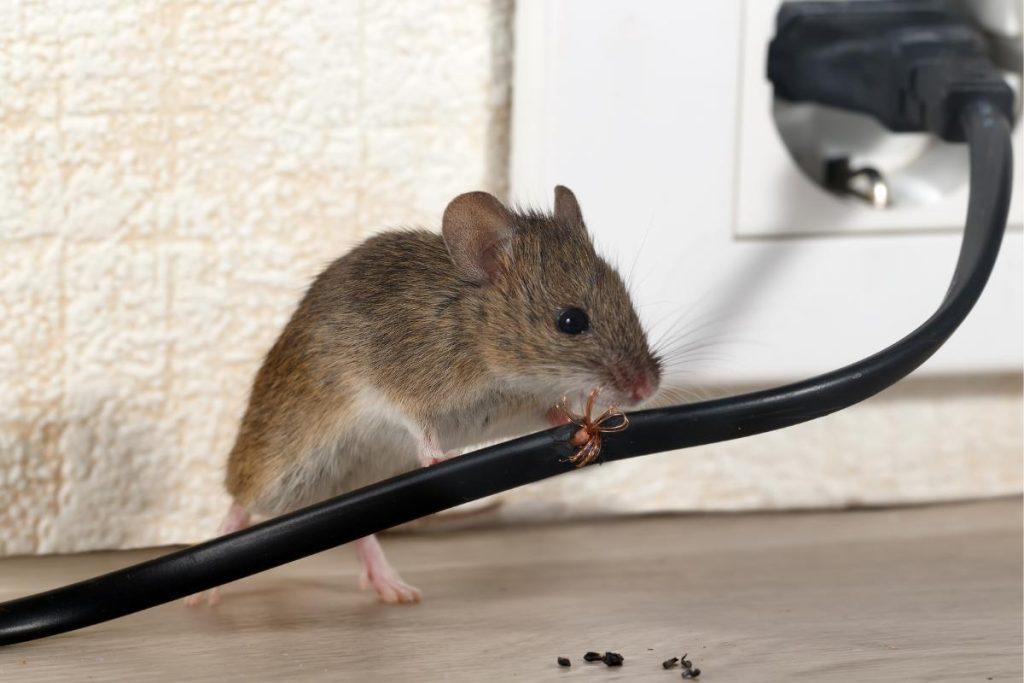
The economic impact of these two animals is quite different.
Mice are generally viewed as a significant economic burden. They are notorious for damaging crops, contaminating stored food supplies, and chewing through electrical wiring in buildings.
Shrews are usually considered economically beneficial, particularly for farmers and gardeners. Because they eat massive quantities of insects and larvae, they act as a natural form of pest control for crops and lawns.