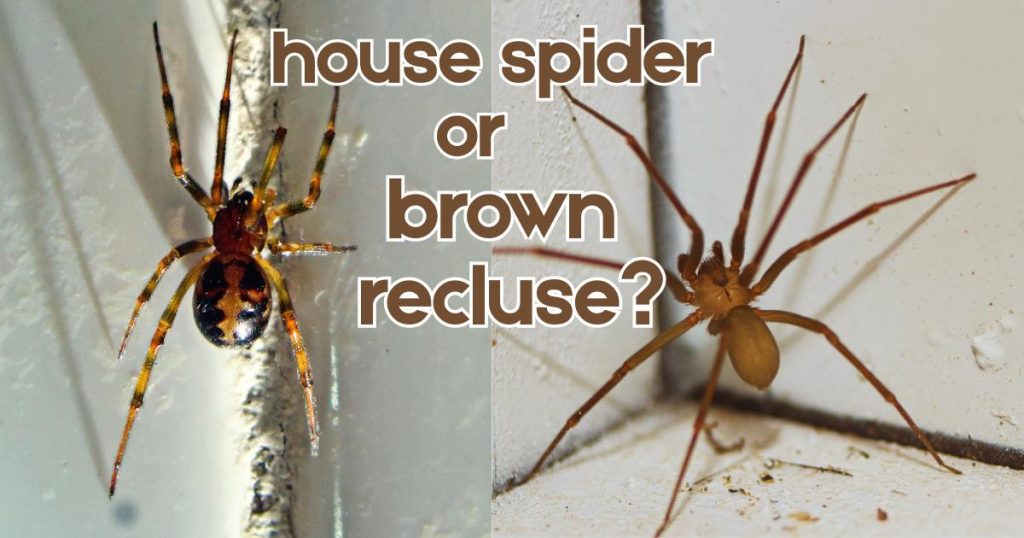
The common house spider (Parasteatoda tepidariorum) and the brown recluse (Loxosceles reclusa) differ in eye arrangement, body markings, range, and web use. A violin-like mark alone does not identify a brown recluse; several features and geographic context must be considered together. Read more: arachnids. House Spider vs Brown Recluse: What is the Difference? Physical Appearance […]
Facts: Animals
Centipede vs Silverfish
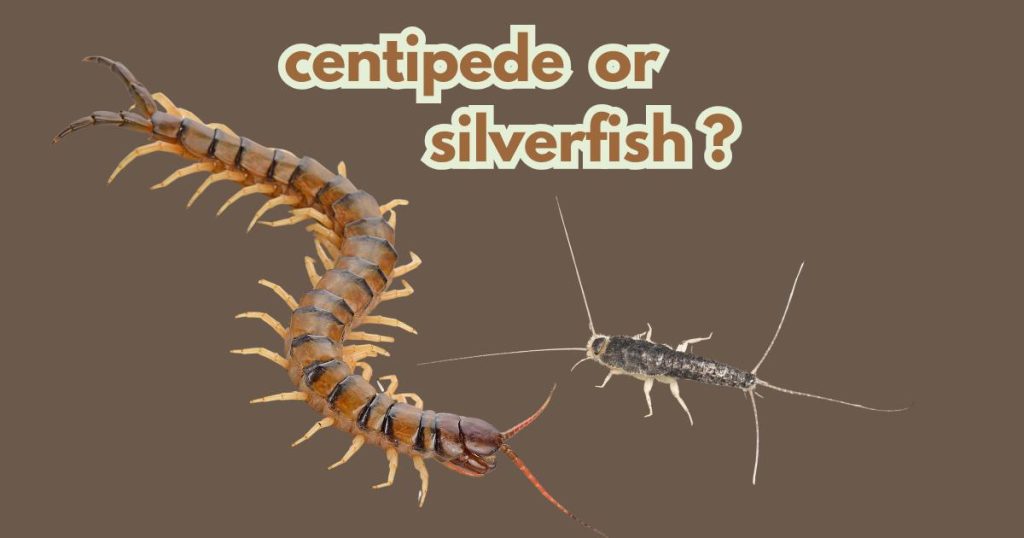
Centipedes are many-legged predators in the class Chilopoda. Silverfish are six-legged insects in the class Insecta that feed on materials such as starches and paper products. Compare their leg count, body shape, and feeding habits to tell these common household arthropods apart. Centipede vs Silverfish: Key Differences & Interesting Facts Distinct Classifications In short: A […]
Manta Ray vs Stingray
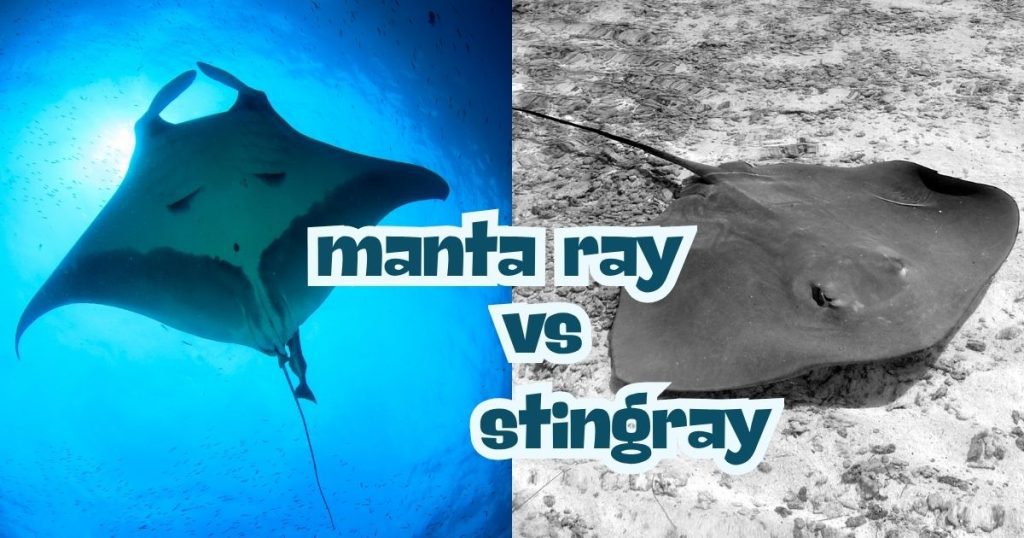
Manta rays are large filter-feeding rays with paired cephalic fins beside the mouth and no stinging tail spine. Many other stingrays feed near the bottom and have a defensive tail spine. Size and habitat vary, so use several features to compare these related cartilaginous fishes. Manta Ray vs Stingray: How to Tell the Difference Quick […]
Groundhog vs Muskrat
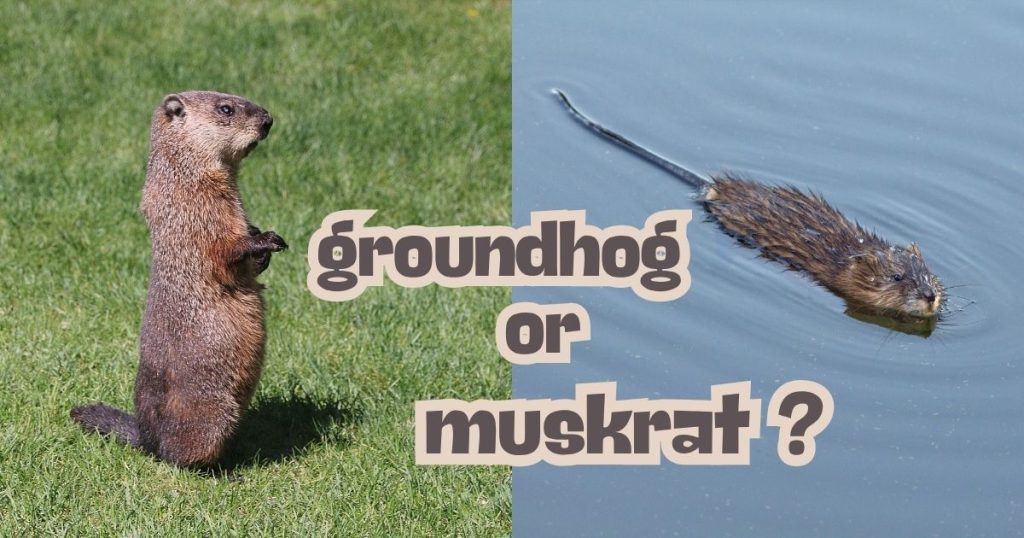
Groundhogs are large land-dwelling rodents with bushy tails and underground burrows. Muskrats are smaller, semiaquatic rodents with long, scaly tails that help them swim. Compare their size, habitat, and behavior to distinguish a visitor to a field, garden, pond, or stream. Identifying the groundhog vs muskrat requires a keen eye for detail. Both are prominent […]
White Heron vs White Egret
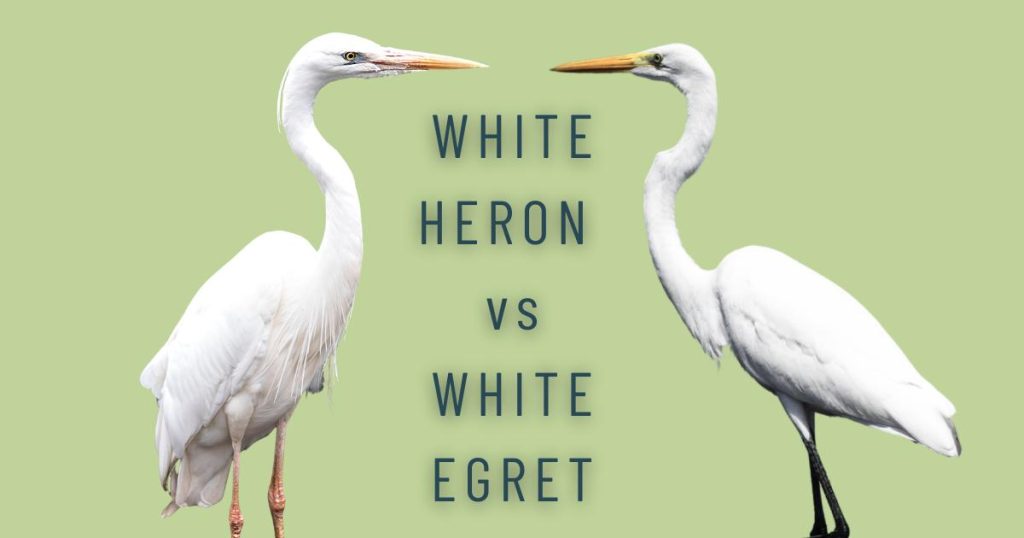
Egrets are members of the heron family, so white heron and white egret are overlapping common names. Here, Great White Heron means the white form of the Great Blue Heron, and Great Egret means Ardea alba. Pale versus black legs and overall size help distinguish them. A Note about the Phrases “White Heron” and “White […]
Wasp vs Yellow Jacket: What’s the Difference?
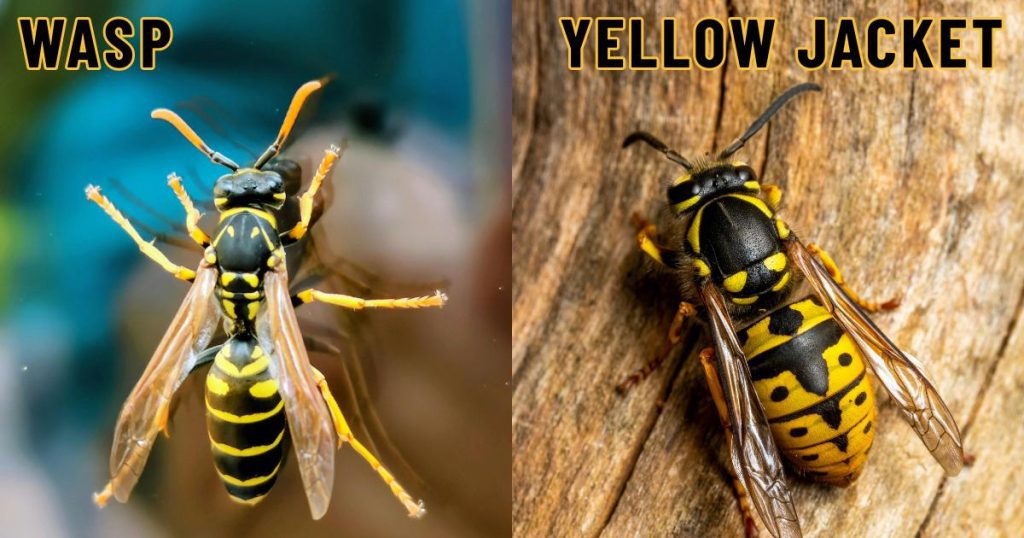
Yellow jackets are a group of social wasps, not a separate kind of insect from wasps. They are usually compact, with black-and-yellow markings. This comparison focuses on differences between yellow jackets and other familiar wasps, especially slender paper wasps. Wasp vs Yellow Jacket: What is the Difference? Physical Appearance Size and Body Shape The wasp […]
Gopher vs Vole
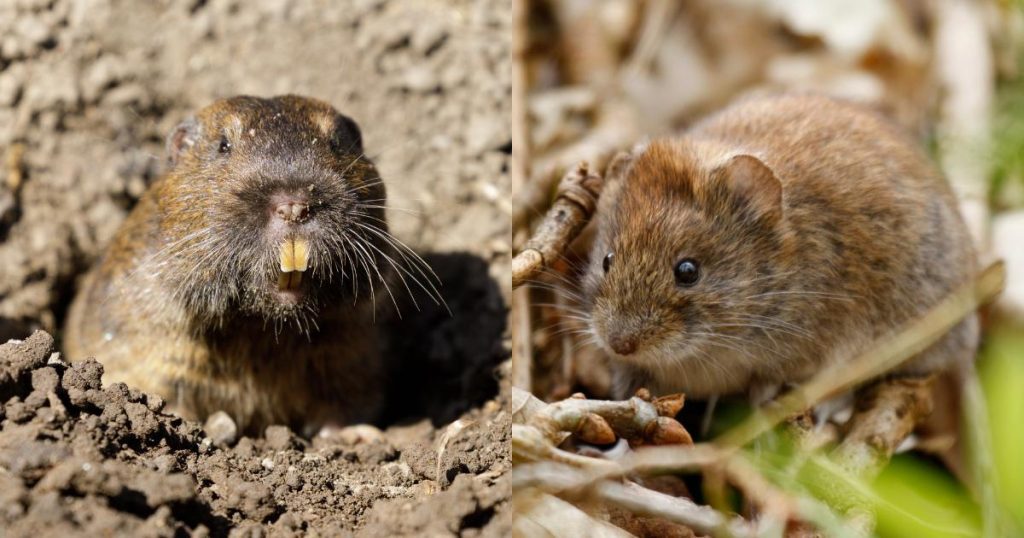
Pocket gophers are generally larger than voles and have external cheek pouches for carrying food. Voles are smaller rodents that often make runways through dense vegetation. Compare their size, feet, burrows, and feeding habits to identify signs of each animal. Gopher vs Vole: What is the Difference? Physical Appearance Rodents Rodents are a group of […]
Mouse vs Vole
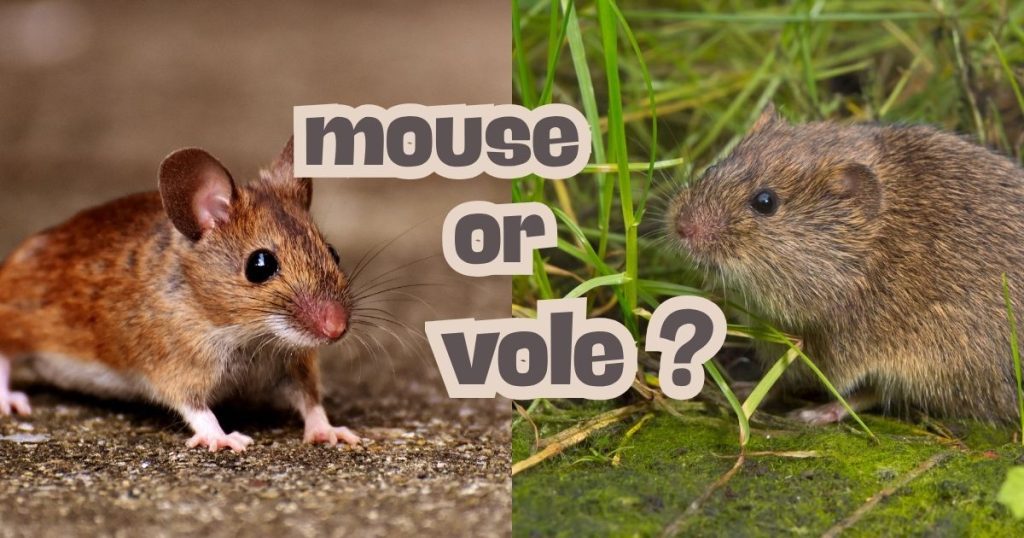
Many mice have a slender build, prominent ears, and a long tail. Voles usually have stockier bodies, smaller ears, and shorter tails. Both are rodents, and their appearance and habits vary by species. These clues help distinguish common mice and voles around fields, gardens, and buildings. Mouse vs Vole: What’s the Difference? Physical Appearance Size […]
Axolotl vs Mudpuppy
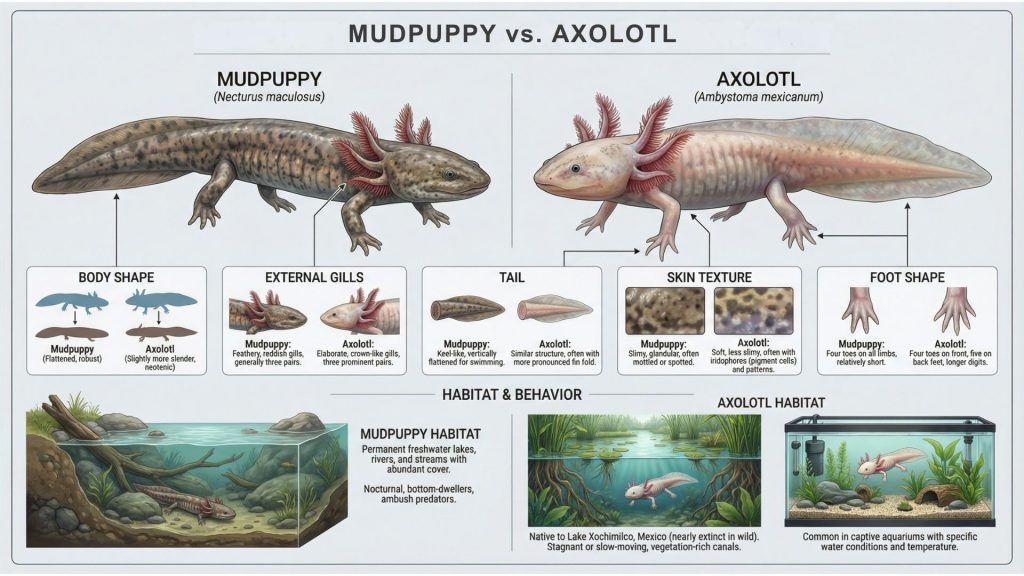
Axolotls and mudpuppies are aquatic salamanders that normally retain external gills as adults. An axolotl has five toes on each hind foot; a mudpuppy has four. They belong to different families and have different native ranges: central Mexico for axolotls and eastern North America for mudpuppies. What is the Difference Between Axolotls and Mudpuppies? Physical […]
Gopher vs Prairie Dog
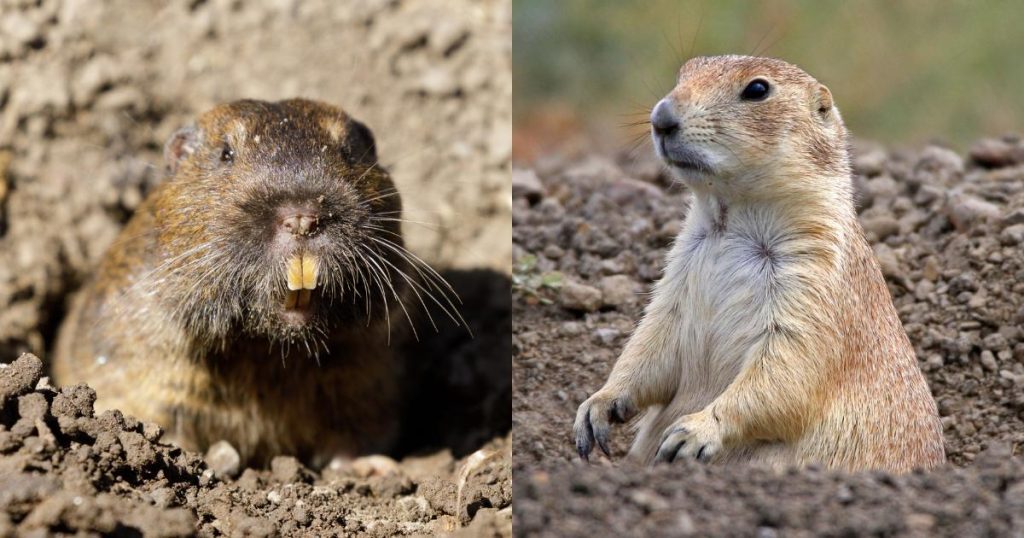
Pocket gophers are mostly solitary burrowing rodents with external cheek pouches. Prairie dogs are social members of the squirrel family that live in colonies. Compare their body shape, burrows, diets, and behavior to distinguish these North American animals. Gopher vs Prairie Dog – What is the Difference? Physical Appearance Rodents Gophers and prairie dogs are […]
Vulture vs Buzzard

Vulture vs buzzard depends partly on where the name is used. In North America, buzzard is an informal name for a vulture. In Britain and much of Europe, a buzzard is a hawk in the genus Buteo. This comparison uses the European meaning of buzzard. What is the Difference Between Vultures and Buzzards? Physical Appearance […]
Mouse vs Shrew
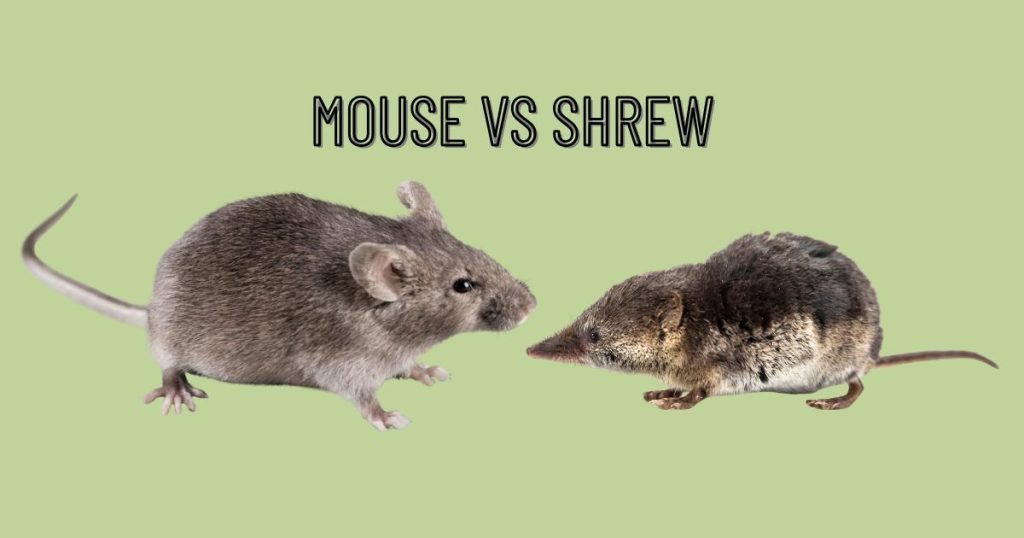
Mice are rodents, while shrews belong to a different mammal group that also includes moles and hedgehogs. Many mice have relatively large eyes and ears; shrews typically have small eyes and a long, pointed snout. Diet and tail proportions vary by species. In fact, they belong to entirely different animal groups and have dramatically different […]
Arctic Animals: Facts, Pictures, Adaptations

Arctic animals include polar bears, Arctic foxes, caribou, seals, whales, seabirds, and cold-water fish. Some inhabit tundra, while others depend on sea ice or the Arctic Ocean. This illustrated guide compares their habitats, diets, and adaptations and shows how land and marine food webs differ. Mammals of the Arctic Arctic Fox (Vulpes lagopus) Arctic Hare […]
Types of Snakes: Pictures, Facts, Adaptations

Snakes are reptiles with elongated bodies and no limbs. Different kinds live in forests, grasslands, deserts, wetlands, and oceans. Explore examples of venomous and nonvenomous snakes, their diets, and adaptations. Color alone is not a reliable way to judge whether a snake is dangerous. Video: Free School Venomous Snakes These snakes possess venom, which they […]
Antarctic Animals

Antarctic animals include penguins, seals, whales, seabirds, fish, and invertebrates of the Southern Ocean and its coasts. Most depend on the sea for food, even when they breed or rest on land or ice. This guide compares their habitats and adaptations and explains how krill and other small organisms support the food web. Video: BBC […]
Types of Whales: Facts, Pictures, Adaptations, Printable

Whales are marine mammals in the cetacean group, which also includes dolphins and porpoises. Baleen whales filter prey from the water, while toothed whales use teeth to catch food. This guide compares their sizes, habitats, diets, and adaptations. Scroll down to find our free printable 3-part cards of 12 types of whales. Video: Socratica Kids […]
Mammals That Lay Eggs

The mammals that lay eggs are monotremes: the platypus and four living echidna species. They are native to Australia and New Guinea. Like other mammals, monotremes have hair and produce milk for their young, even though they reproduce by laying eggs. Platypus (Ornithorhynchus anatinus) The platypus is one of the most unusual and unique animals […]
Types of Jellyfish

Jellyfish are soft-bodied marine invertebrates in the phylum Cnidaria. Different kinds vary in size, appearance, habitat, and sting. Explore familiar examples and how they feed, move, and reproduce; some jellyfish-like animals, such as the Portuguese man-of-war, are colonies rather than a single jellyfish. Video: Nat Geo Wild Types of Jellyfish Moon Jellyfish (Aurelia aurita) Box […]
8 Types of Bears: Pictures, Adaptations, Habitats, Facts

The eight living bear species include brown, polar, American black, Asian black, sun, sloth, Andean bears, and the giant panda. Their diets and habitats vary widely. Grizzly and Kodiak bears are forms of brown bear, rather than additional species. Video: Textbook Travel Types of Bears 1. Brown Bear (Ursus arctos) Description: Brown bears are one […]
Kodiak Bear

The Kodiak bear (Ursus arctos middendorffi) is a large subspecies of brown bear native to Alaska’s Kodiak Archipelago. It eats plants, salmon, and other foods that change with the seasons. Kodiak bears are powerful wild animals whose behavior depends on the situation. Useful Information About Kodiak Bears Scientific Name The Kodiak bear’s scientific name is […]
Sun Bear

The sun bear (Helarctos malayanus) is the smallest living bear species. Native to Southeast Asia’s tropical forests, it has a short coat, strong climbing claws, and usually a pale chest patch. Its diet includes fruits, insects, and honey. Despite their size, sun bears are powerful climbers and have long tongues to help them extract honey […]
Macaroni Penguin

The macaroni penguin (Eudyptes chrysolophus) is a crested penguin with conspicuous yellow-orange head feathers. It breeds mainly on subAntarctic islands and feeds at sea on krill and other small marine animals. Explore its habitat, breeding cycle, and adaptations to ocean life. Read more: medium-sized penguins. Video: Animal Fact Files Useful Information About Macaroni Penguins Physical […]
Types of Penguins: Photos, Habitat, Facts, Characteristics

Penguins are flightless seabirds adapted for swimming. Most live in the Southern Hemisphere, in habitats ranging from Antarctic ice to temperate coasts and the equatorial Galápagos Islands. Different penguin species vary in size, markings, breeding habits, and diet. Video: Richard Sidey Types of Penguins Our Penguin Identification Mini Unit includes detailed 3-part cards featuring 17 […]
Sea Lions vs Seals

Sea lions have visible ear flaps and can turn their hind flippers underneath their bodies to move on land. True seals lack external ear flaps and move differently on shore. Both are pinnipeds, a group of marine mammals that also includes fur seals and walruses. Key Differences: Sea Lions vs Seals Ears Movement on Land […]
Sea Urchins

Sea urchins are marine invertebrates in the phylum Echinodermata, the group that also includes sea stars and sand dollars. Their rounded skeletons carry movable spines and tube feet. Many graze on algae, and their feeding can strongly affect rocky-shore and kelp-forest habitats. Read more: oceans. Useful Information Scientific Classification Physical Characteristics Diet Habitat Reproduction Predators […]
River Otters

River otters are semiaquatic members of the weasel family. This article focuses on the North American river otter, which lives around rivers, lakes, wetlands, and some coastal waters. Its streamlined body, webbed feet, and dense fur help it swim and hunt. Information about River Otters Scientific Name Habitat Physical Characteristics Diet Behavior Video: Oregon Zoo […]
Life Cycle of a Frog
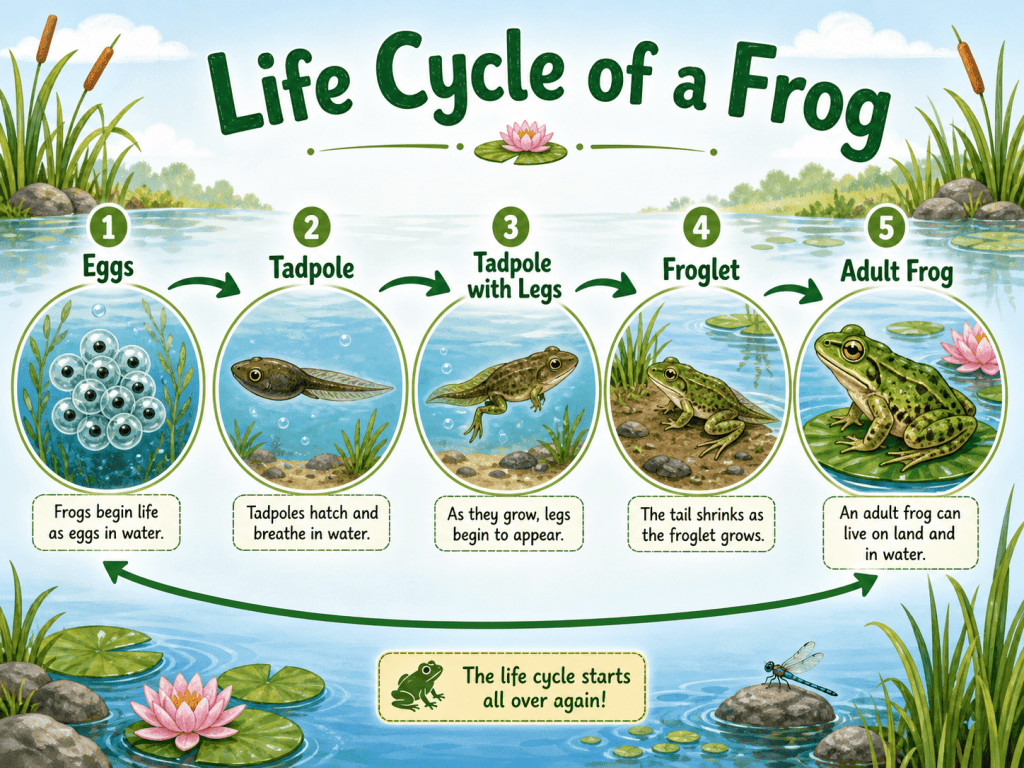
A typical frog life cycle includes an egg, a tadpole, a froglet with a shrinking tail, and an adult frog. The changes from tadpole to frog are called metamorphosis. This pond-frog model is useful for learning, although development and habitats vary among frog species. The Four Stages of a Frog’s Life Cycle: 1. Egg Stage […]
The Life Cycle of a Chicken Free Printable

The life cycle of a chicken is a fascinating journey that transforms a tiny egg into a full-grown rooster or hen. Chickens undergo several stages of development, each with its unique changes and milestones. Understanding the life cycle of a chicken can help you appreciate how these birds grow and develop from their earliest days […]
Types of Foxes

Foxes are members of the dog family, Canidae. Different species live in habitats ranging from Arctic tundra to deserts and forests. Explore familiar foxes and their appearance, diets, and adaptations; some animals commonly called foxes belong to different genera. Read more: Africa. Facts About Foxes Types of Foxes The Red Fox (Vulpes vulpes) The Red […]
Jaguar vs Leopard

Jaguars and leopards are different big-cat species. Jaguars live in the Americas and usually have a stockier build and larger rosettes, often with spots inside them. Leopards live in Africa and Asia and are typically more slender. Both can roar. What is the Difference Between Jaguars and Leopards? Physical Appearance Size and Build Jaguars are […]
Alpacas vs. Llamas

Alpacas are smaller South American camelids with short, pointed ears and fine fleece. Llamas are larger, have long curved ears, and are often used as pack or guard animals. Compare their appearance, behavior, fiber, and roles in Andean communities. What is the Difference Between Alpacas and Llamas? Physical Characteristics Size and Weight Llamas are much […]
Coral Reef Animals: Facts, Pictures, and Adaptations

Coral reef animals include reef-building corals, sponges, sea stars, crustaceans, colorful fish, sea turtles, and sharks. They use the reef for food, shelter, and breeding. This illustrated guide compares animal groups and their adaptations, from tiny coral polyps to larger predators visiting the reef. Coral Reef Animals Invertebrates Zooplankton Zooplankton are small, often microscopic animals […]
Rainforest Animals: Facts, Pictures, and Adaptations

Tropical rainforest animals include monkeys, sloths, toucans, tree frogs, snakes, and countless insects. They occupy different layers of the forest, from the ground and rivers to the canopy. This illustrated guide compares their habitats, diets, and adaptations, and points out examples that belong to neighboring habitats rather than typical rainforest. Mammals Jaguar The jaguar is […]
Desert Animals: Adaptations, Pictures, and Facts

Desert animals include camels, fennec foxes, scorpions, lizards, and birds adapted to limited water. Some avoid daytime heat by sheltering in burrows or becoming active at night; others conserve water through their bodies and diets. Deserts can be hot or cold. This guide compares animal examples, habitats, and survival adaptations. Invertebrates Scorpions Scorpions are small […]
Temperate Forest Animals: Adaptations, Pictures, and Facts

Temperate forest animals include deer, bears, foxes, owls, salamanders, and many invertebrates. They find food and shelter among deciduous trees, conifers, and the forest floor. Seasonal changes shape their lives: some migrate or hibernate, while others store food or remain active through winter. This illustrated guide compares examples and their adaptations. Temperate Forest Animals Invertebrates […]
Grassland Animals: Facts, Pictures, and Adaptations

Grassland animals include grazing mammals such as bison, zebras, and antelopes, along with predators, burrowing animals, birds, reptiles, and insects. They live in temperate prairies and steppes or tropical savannas. Rainfall, fire, and grazing help shape these open habitats. This guide compares their diets, habitats, and adaptations. There are two types of grasslands: Animals of […]
Wetland Animals: Adaptations, Pictures, and Facts

Wetland animals include frogs, turtles, herons, fish, insects, and mammals such as beavers and otters. They live in marshes, swamps, bogs, and other habitats where water covers or saturates the soil for part or all of the year. Webbed feet, waterproof feathers, and other adaptations help different species find food and shelter. This illustrated guide […]
Farm Animals: Preschool Activities and Facts

Farm animals provide an engaging and educational topic for preschool students. By learning about the different creatures found on farms and ranches, children can build language skills, understand biology concepts, practice counting and sorting, and much more. Scroll down for more farm theme preschool activity ideas. This blog post will introduce some of the most […]
Animals of the Tundra: Adaptations, Images & Facts

Tundra animals include Arctic foxes, caribou, musk oxen, snowy owls, and small mammals adapted to cold, open landscapes. Alpine tundra supports different wildlife above the tree line. This guide also includes animals of nearby Arctic waters and Antarctic coasts; whales and penguins are associated marine wildlife rather than inhabitants of tundra soil. Printable fact cards […]
Free Printable: Arctic Animals

This set of Montessori 3-part cards features a selection of Arctic animals. Use these cards to introduce children to the diverse wildlife of the Arctic and spark conversations about how animals live and thrive in such a harsh environment. This set includes color illustrations as well as blacklines so children can make their own booklet. The […]
Free Printable: Animals of North America

Add these 3-part cards to your shelves when you’re learning about animals of North America! This set includes color illustrations as well as blacklines so children can make their own booklets. Animals included in this set: Beaver Bear Cougar Coyote Deer Bald Eagle Elk Fox Owl Raccoon Skunk Squirrel Wolf Animals of North America Beaver […]