Temperate forest animals include deer, bears, foxes, owls, salamanders, and many invertebrates. They find food and shelter among deciduous trees, conifers, and the forest floor. Seasonal changes shape their lives: some migrate or hibernate, while others store food or remain active through winter. This illustrated guide compares examples and their adaptations.

Temperate Forest Animals
Invertebrates
Banana Slug
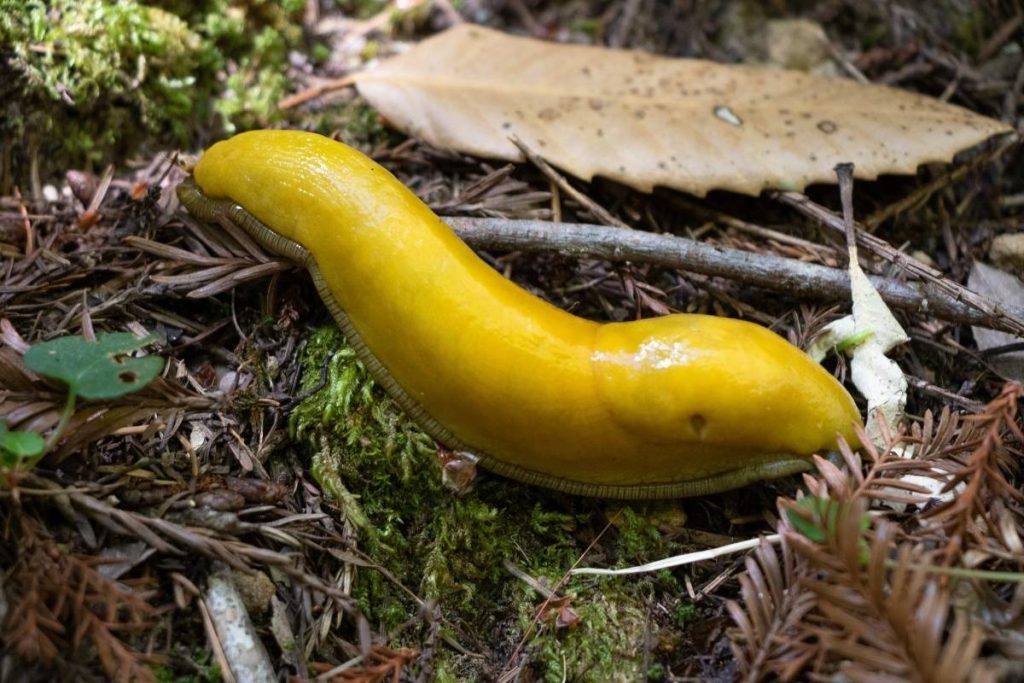
The banana slug is a large yellow slug found in the damp, forested regions of the Pacific Northwest. Its bright color helps deter predators, and its mucous-covered body allows it to glide smoothly across the forest floor while aiding in moisture retention.
- Average size: 6-8 inches (15-20 cm)
- Eats: Decaying plant material, fungi, and leaves
- Predators: Raccoons, birds, snakes, and beetles
- Region/continent: North America, primarily the Pacific Northwest
- Classification: Ariolimax
Earthworm
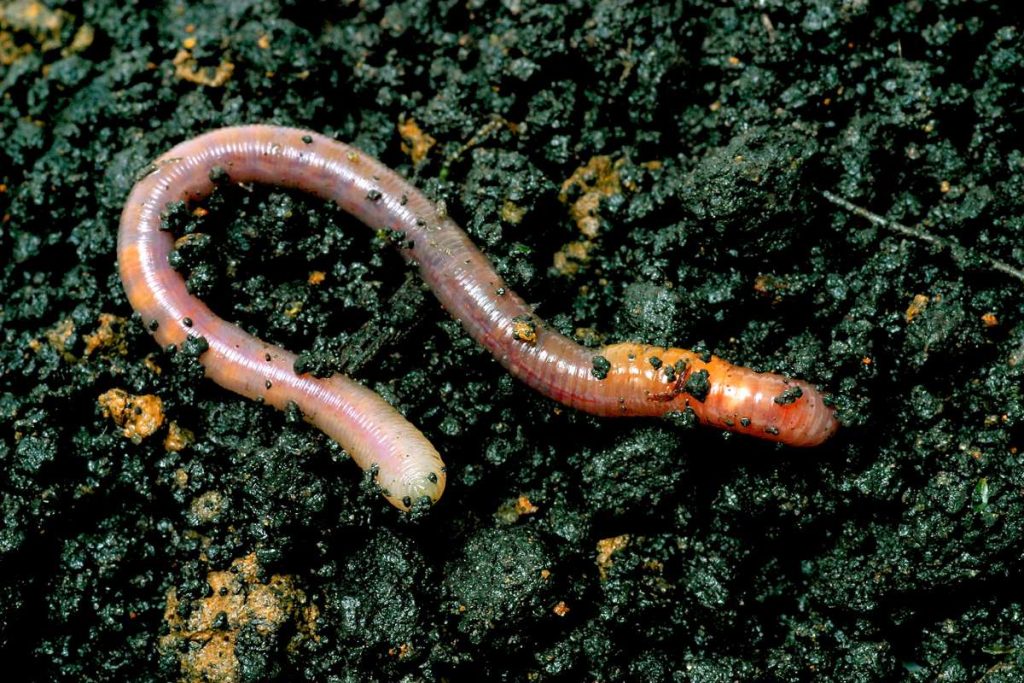
Earthworms are segmented invertebrates that consume organic material and change soil structure. Their effects depend on the forest: introduced earthworms can remove the protective leaf-litter layer and harm plants in northern North American forests that developed without them. Minnesota DNR explains these forest impacts.
- Average size: 3-12 inches (7.5-30 cm) depending on species
- Eats: Organic matter in soil, decomposing leaves and plants
- Predators: Birds, small mammals, amphibians, and insects
- Region/continent: Worldwide, in temperate and tropical regions
- Classification: Lumbricina
Eastern Tiger Swallowtail Butterfly
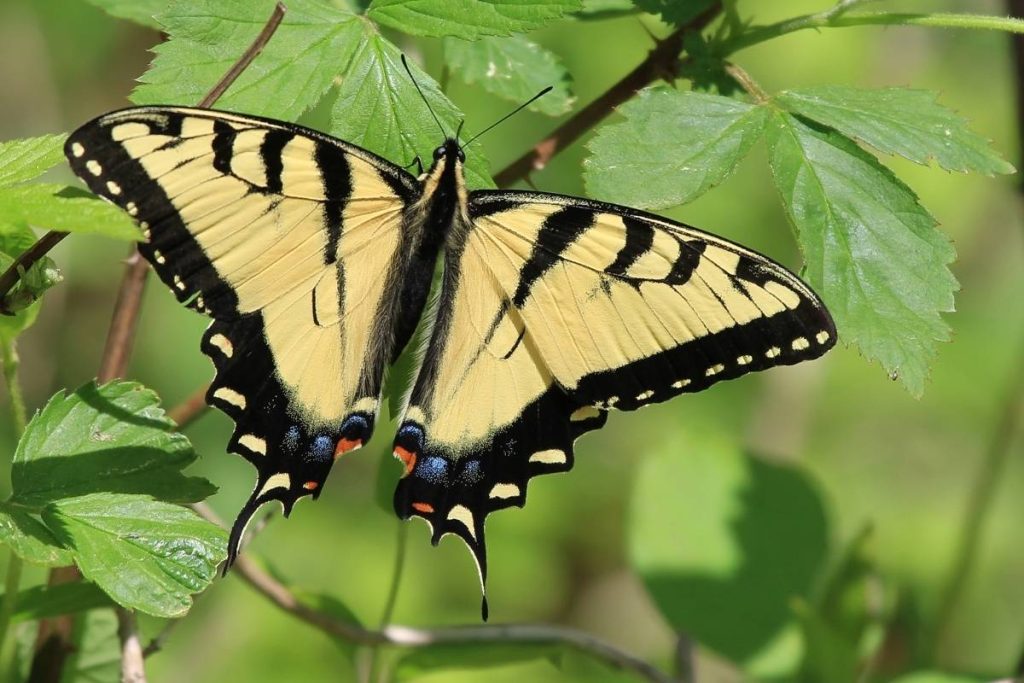
The Eastern Tiger Swallowtail is a large, striking butterfly with yellow wings marked by black stripes. This butterfly’s coloration provides camouflage among the dappled light of the temperate forest, and its ability to feed on nectar from a variety of forest flowers supports its survival in this biome.
- Average size: Wingspan of 3-5.5 inches (7.6-14 cm)
- Eats: Nectar from flowers
- Predators: Birds, spiders, and wasps
- Region/continent: Eastern North America
- Classification: Papilio glaucus
Firefly

Fireflies are actually beetles known for their bioluminescent ability, which they use to attract mates during the night. Being able to produce light helps these insects communicate in the temperate forest’s dense vegetation.
- Average size: 0.2-1 inch (0.5-2.5 cm)
- Eats: Larvae eat snails, slugs, and other small insects; adults often do not eat or consume nectar
- Predators: Birds, amphibians, and spiders
- Region/continent: Worldwide, in temperate and tropical regions
- Classification: Lampyridae
Millipede
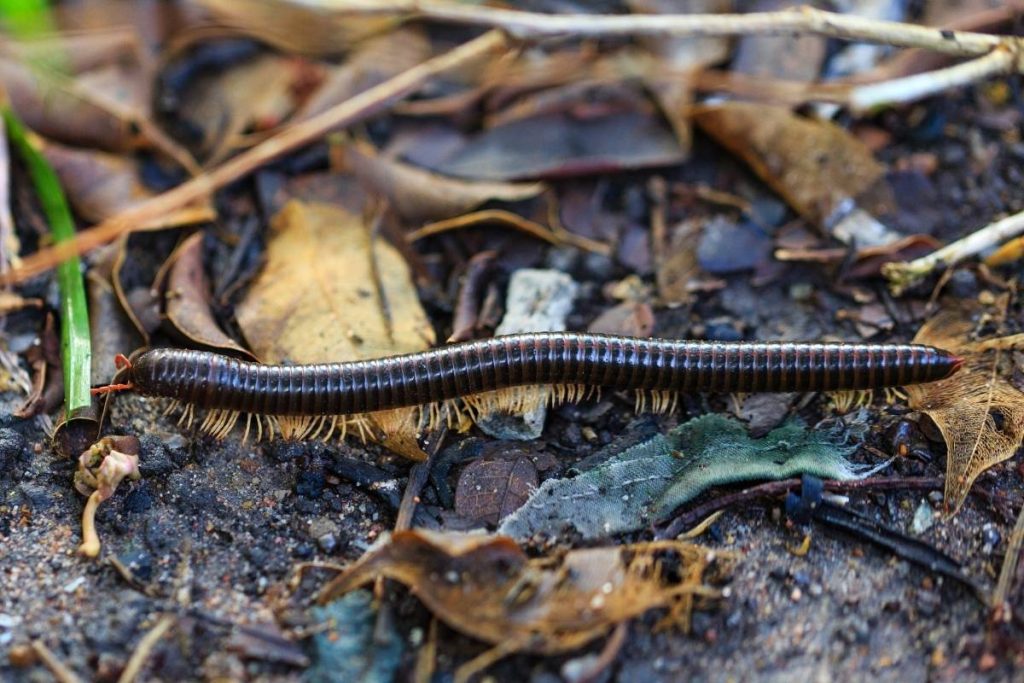
Millipedes are long, cylindrical arthropods with numerous legs and a hard exoskeleton. They thrive in the moist leaf litter of temperate forests, where they help decompose organic material and contribute to soil health.
- Average size: 0.4-12 inches (1-30 cm) depending on species
- Eats: Decaying leaves and plant matter
- Predators: Birds, small mammals, amphibians, and insects
- Region/continent: Worldwide, in temperate and tropical regions
- Classification: Diplopoda
Monarch Butterfly
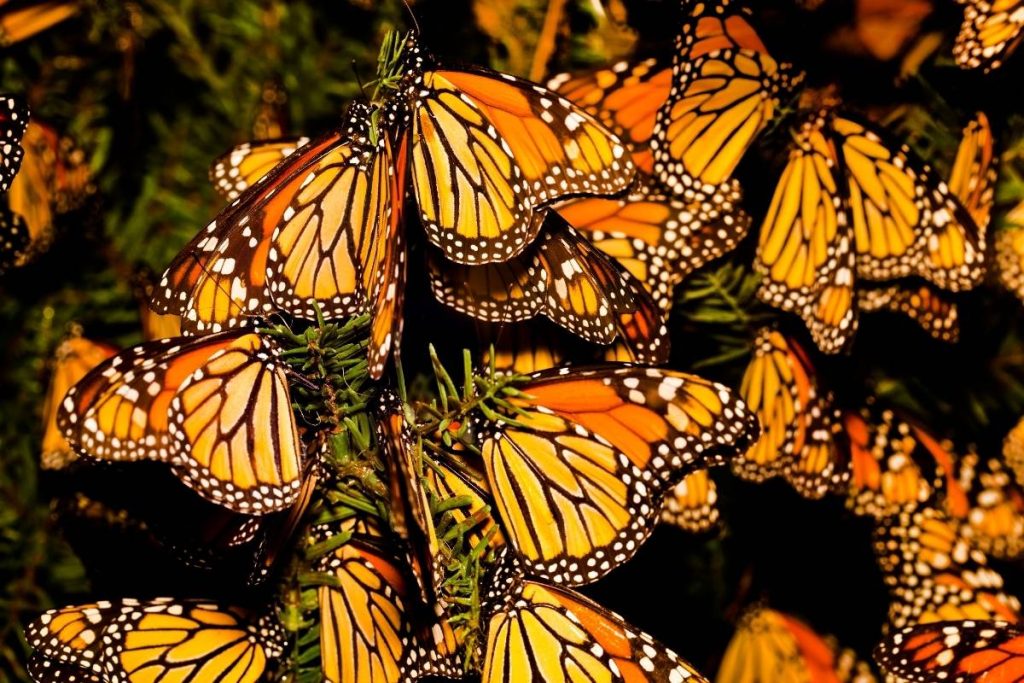
Monarch butterflies use forests for shelter during migration and winter. Many eastern North American monarchs overwinter in mountain forests in central Mexico, while western populations use sites along the California coast. Not all monarch populations migrate. Their caterpillars feed on milkweed.
- Average size: Wingspan of 3.5-4 inches (9-10 cm)
- Eats: Nectar from flowers; larvae feed on milkweed
- Predators: Birds, wasps, and parasitoid flies
- Region/continent: North America, with migrations to Central and South America
- Classification: Danaus plexippus
Pillbug
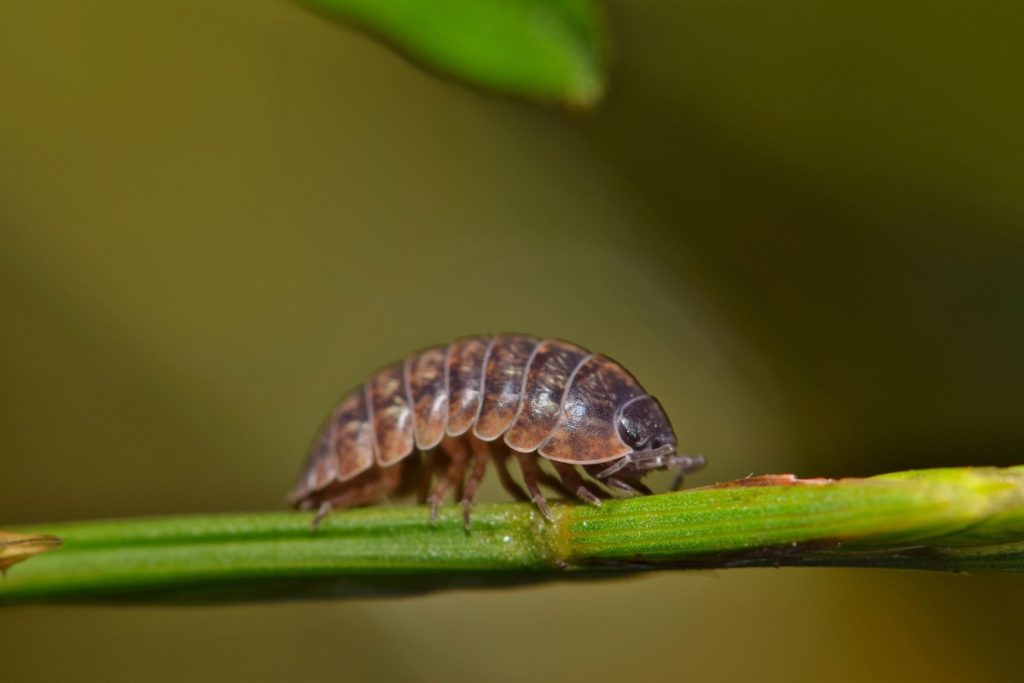
Pillbugs are small, grey crustaceans with segmented, armored exoskeletons and the ability to roll into a ball to protect themselves from predators. By feeding on decomposing plant matter, pillbugs help to recycle nutrients in the temperate forest ecosystem.
- Average size: 0.3-0.6 inches (0.7-1.5 cm)
- Eats: Decaying plant material and detritus
- Predators: Birds, amphibians, and small mammals
- Region/continent: Worldwide, in temperate regions
- Classification: Armadillidiidae
Polyphemus Moth

The Polyphemus Moth is a large, brown moth with striking eyespots on its hind wings that resemble the eyes of another temperate forest resident: the great horned owl.
- Average size: Wingspan of 4-6 inches (10-15 cm)
- Eats: Larvae feed on leaves of various trees; adults do not eat
- Predators: Birds, bats, and small mammals
- Region/continent: North America
- Classification: Antheraea polyphemus
Stag Beetle
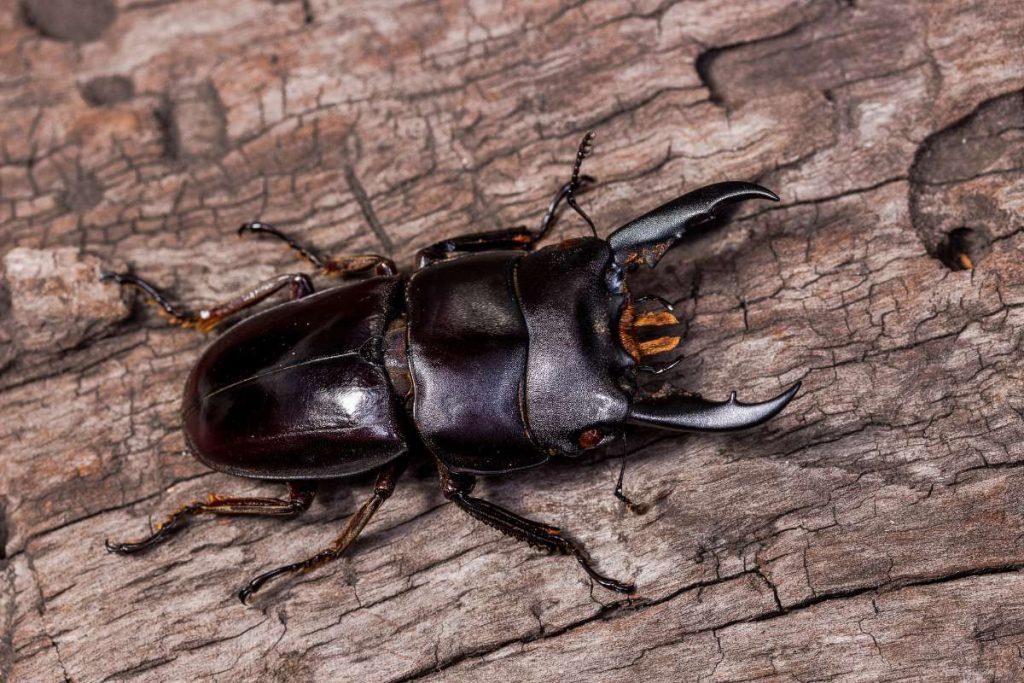
Stag Beetles are large, dark-colored beetles with large mandibles resembling deer antlers. The larvae of these beetles feed on decaying wood, contributing to the decomposition process and nutrient cycling in the temperate forest ecosystem.
- Average size: 1-3 inches (2.5-7.5 cm)
- Eats: Larvae feed on decaying wood; adults eat tree sap and rotting fruit
- Predators: Birds, mammals, and amphibians
- Region/continent: Europe, North America, and Asia
- Classification: Lucanidae
Tent Caterpillar Moth
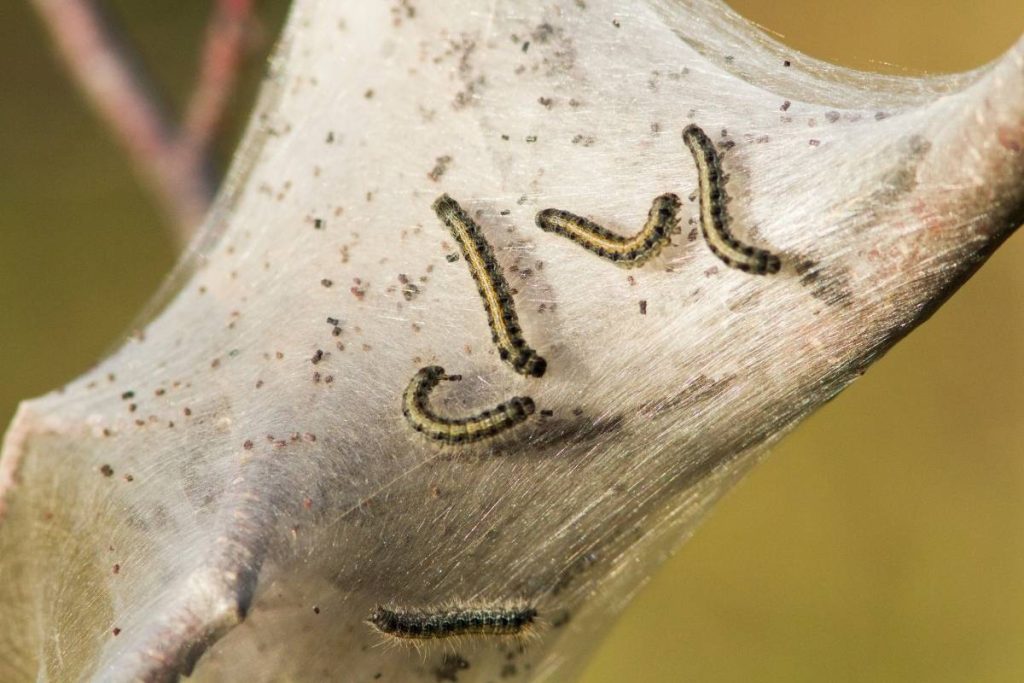
The Tent Caterpillar Moth is a small, brown moth whose larvae are known for creating silken tents in the branches of trees (pictured above). To make the most of the forest’s seasonal patterns, these caterpillars sync their development with the emergence of new spring leaves, the caterpillar’s main food.
- Average size: Wingspan of 1-2 inches (2.5-5 cm)
- Eats: Larvae feed on leaves of deciduous trees
- Predators: Birds, wasps, and small mammals
- Region/continent: North America
- Classification: Malacosoma
Amphibians and Reptiles
Copperhead
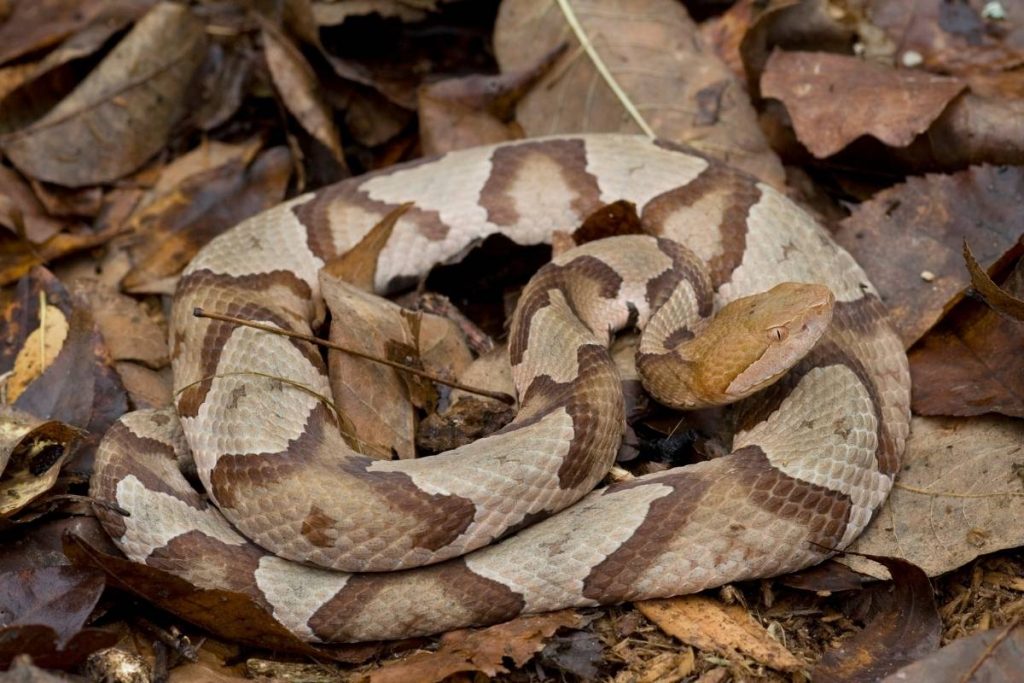
The Copperhead is a medium-sized venomous snake with a distinctive coppery-brown coloration and hourglass-shaped bands on its body. Its camouflaged appearance allows it to blend in with the leaf litter on the forest floor, helping it ambush prey and avoid predators.
- Average size: 2-3 feet (60-90 cm)
- Eats: Small mammals, birds, amphibians, and insects
- Predators: Birds of prey, larger snakes, and mammals like opossums and raccoons
- Region/continent: Eastern and Central United States
- Classification: Agkistrodon contortrix
Eastern American Toad

The Eastern American Toad is a warty amphibian with brown to grayish skin and distinctive dark spots. Its rough skin helps it retain moisture in the temperate forest environment, and its diet of insects aids in controlling pest populations.
- Average size: 2-4 inches (5-10 cm)
- Eats: Insects, spiders, and other small invertebrates
- Predators: Snakes, birds, and small mammals
- Region/continent: Eastern North America
- Classification: Anaxyrus americanus
Eastern Box Turtle
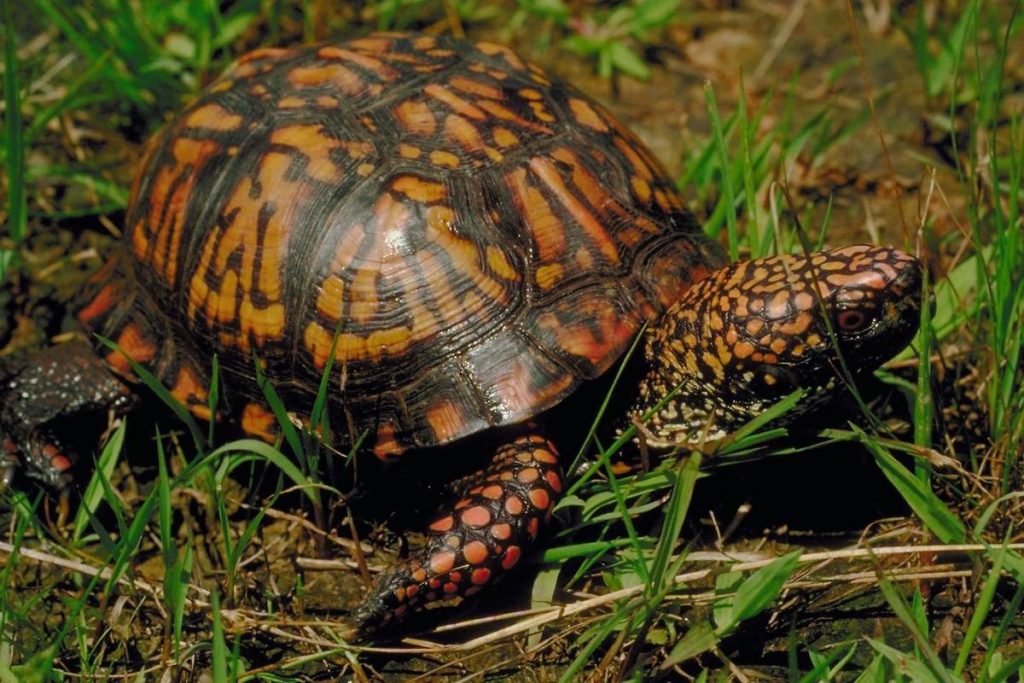
The Eastern Box Turtle is a small to medium-sized turtle with a domed shell that features colorful patterns of yellow, orange, and brown. Its hinged plastron allows it to completely enclose itself within its shell for protection, and its omnivorous diet helps it thrive in the diverse forest ecosystem.
- Average size: 4.5-6 inches (11-15 cm)
- Eats: Omnivorous, eating plants, insects, and small animals
- Predators: Raccoons, skunks, birds, and domestic animals
- Region/continent: Eastern United States
- Classification: Terrapene carolina carolina
Eastern Red-Backed Salamander
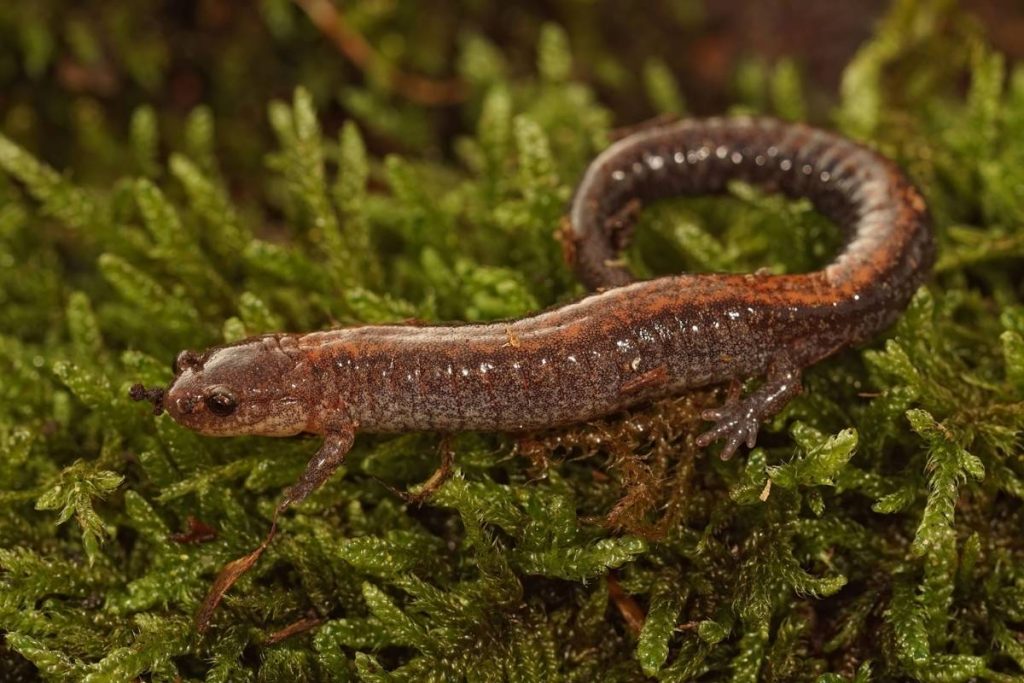
The Eastern Red-Backed Salamander is a small, slender amphibian with a distinctive reddish stripe running down its back. It is well adapted to the moist, cool environments of temperate forests, where it hides under rocks and logs to avoid desiccation and predators.
- Average size: 2-4 inches (5-10 cm)
- Eats: Small invertebrates, including insects, spiders, and worms
- Predators: Birds, small mammals, and larger amphibians
- Region/continent: Eastern North America
- Classification: Plethodon cinereus
Five-Lined Skink
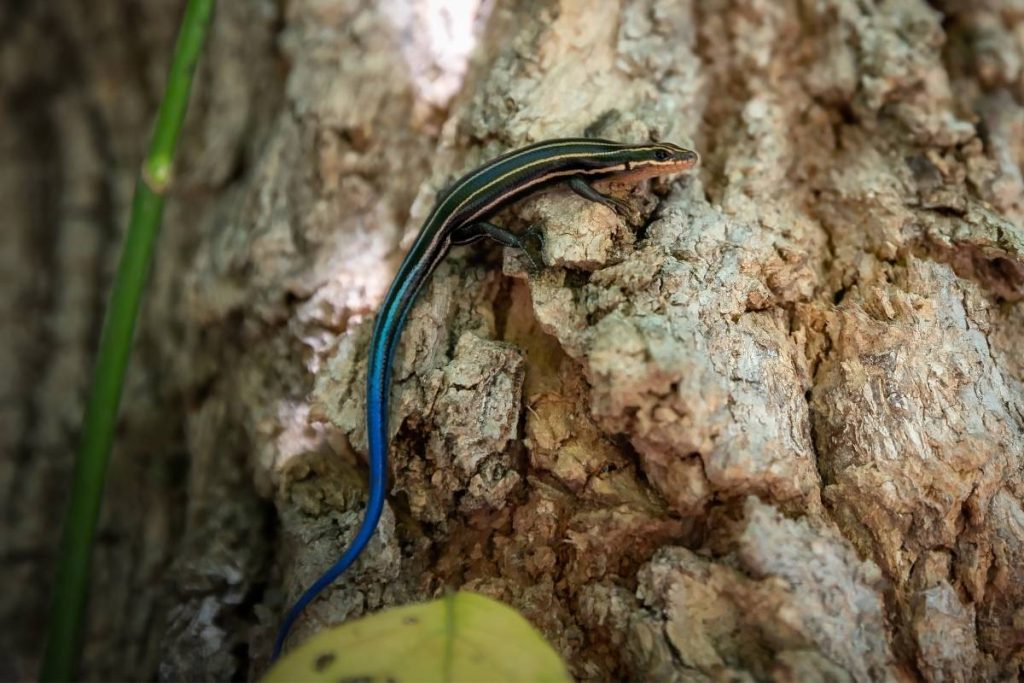
The Five-Lined Skink is a small, sleek lizard with five distinct light stripes along its body. Juveniles have bright blue tails, which fade with age. Long and slender, this lizard is adapted to the forest floor and leaf litter, where it can quickly escape predators and forage for insects and small invertebrates.
- Average size: 5-8.5 inches (12.5-21.5 cm)
- Eats: Insects, spiders, and other small invertebrates
- Predators: Birds, larger reptiles, and small mammals
- Region/continent: Eastern United States
- Classification: Plestiodon fasciatus
Spring Peeper

The Spring Peeper is a small frog with smooth, tan to brown skin and a characteristic “X” pattern on its back. Its loud, peeping calls signal the arrival of spring, and its ability to withstand freezing temperatures during hibernation makes it well-suited to the temperate forest biome.
- Average size: 1-1.5 inches (2.5-3.8 cm)
- Eats: Small insects and other invertebrates
- Predators: Birds, snakes, larger frogs, and small mammals
- Region/continent: Eastern North America
- Classification: Pseudacris crucifer
Birds
American Robin
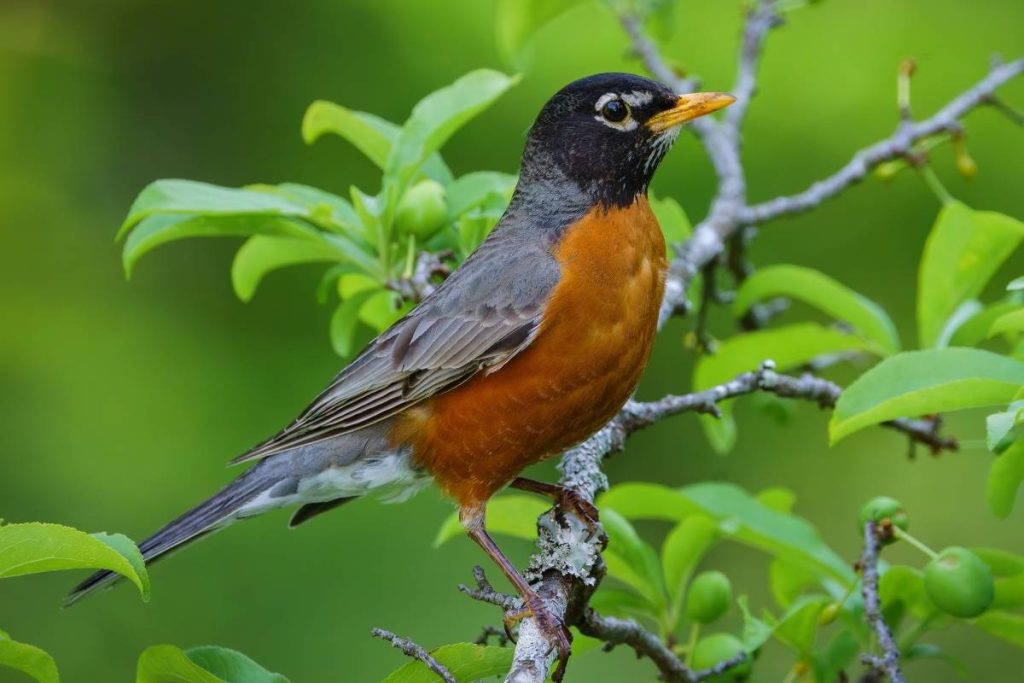
The American Robin is a medium-sized songbird with a distinctive red-orange breast and grayish-brown upper body. It is well adapted to temperate forests where it forages on the ground for earthworms and insects and builds its nest in trees and shrubs.
- Average size: 9-11 inches (23-28 cm)
- Eats: Insects, earthworms, fruits, and berries
- Predators: Cats, snakes, larger birds, and mammals
- Region/continent: North America
- Classification: Turdus migratorius
Bald Eagle
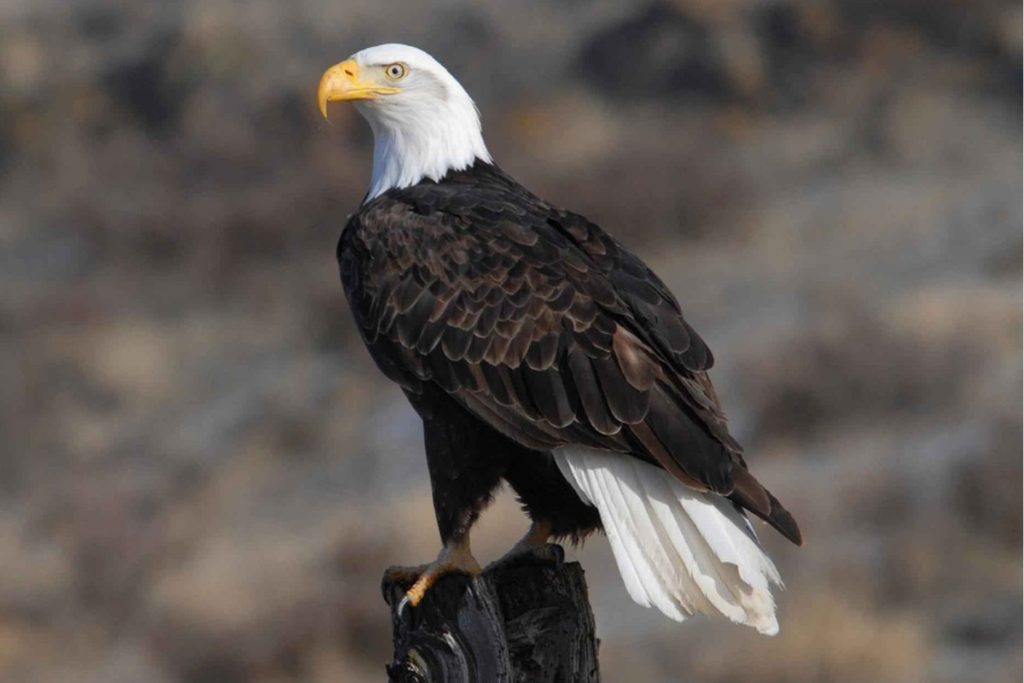
The Bald Eagle is a large bird of prey with a white head and tail, dark brown body, and powerful yellow beak. Its keen eyesight and strong talons make it a formidable hunter in the forested and aquatic habitats where it feeds on fish and small mammals.
- Average size: 28-40 inches (71-102 cm) with a wingspan of 6-7.5 feet (1.8-2.3 m)
- Eats: Fish, birds, small mammals, and carrion
- Predators: Generally none; eggs and young can be preyed on by raccoons and other birds
- Region/continent: North America
- Classification: Haliaeetus leucocephalus
Barred Owl
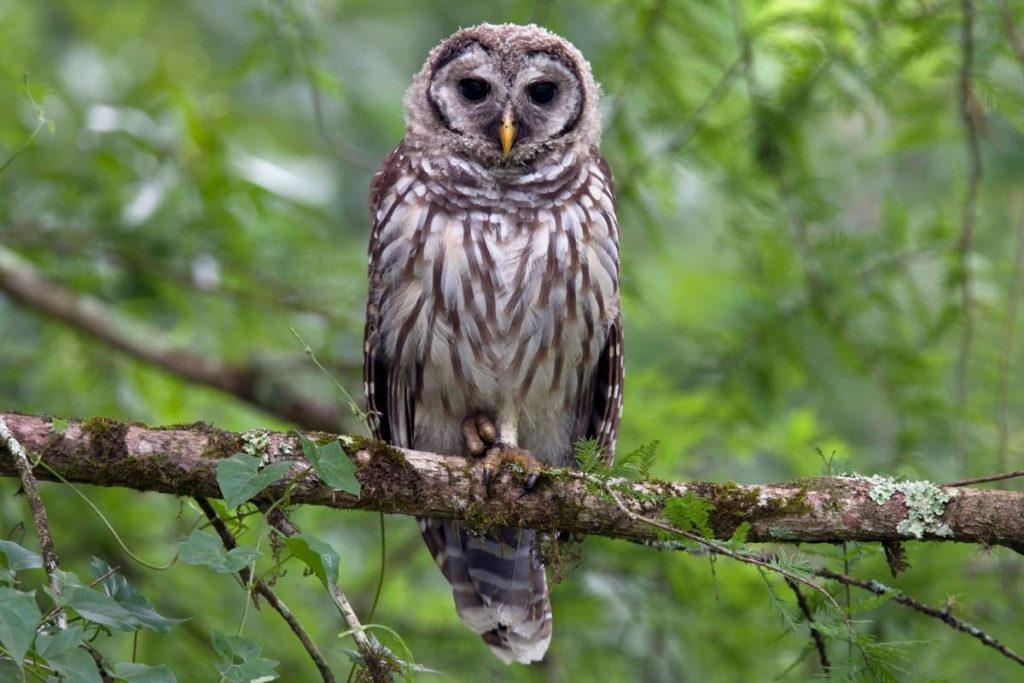
The Barred Owl is a medium to large owl with a round head, dark eyes, and distinctive horizontal and vertical barring on its chest. It thrives in temperate forests by hunting small mammals and birds with its silent flight and excellent night vision.
- Average size: 16-25 inches (40-63 cm) with a wingspan of 38-49 inches (96-125 cm)
- Eats: Small mammals, birds, reptiles, and amphibians
- Predators: Great horned owls and humans
- Region/continent: North America
- Classification: Strix varia
Blue Jay
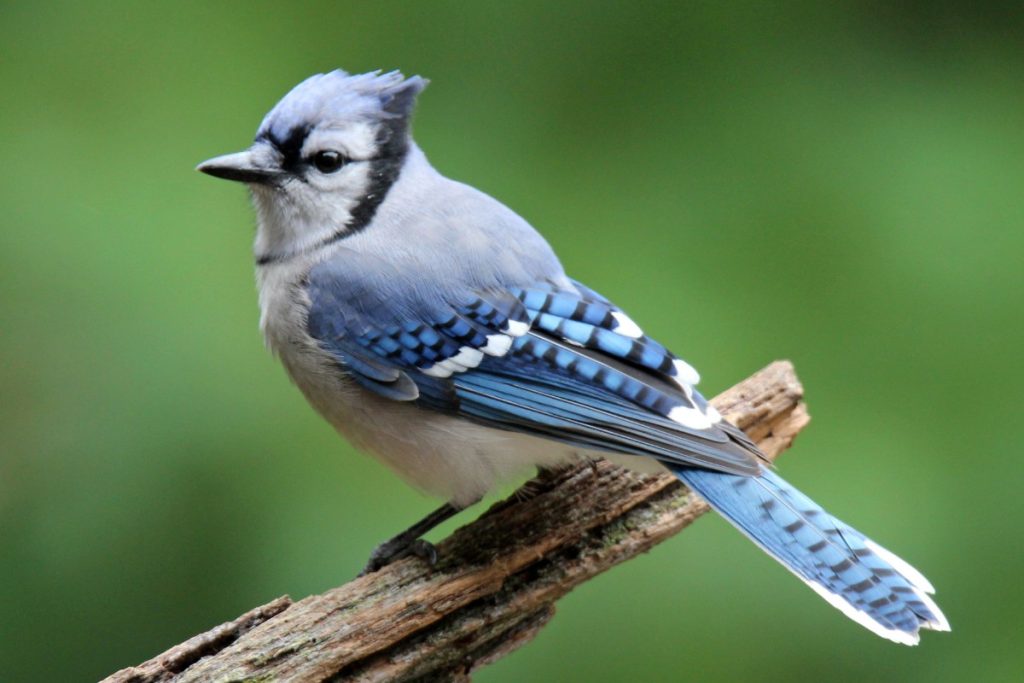
The Blue Jay is a vibrant blue, black, and white bird with a crest on its head and a loud, varied call. Its intelligence and strong bill make this bird an effective forager for a wide range of forest foods, including nuts, seeds, and insects.
- Average size: 9-12 inches (22-30 cm)
- Eats: Nuts, seeds, fruits, insects, and occasionally small vertebrates
- Predators: Hawks, owls, and domestic cats
- Region/continent: North America
- Classification: Cyanocitta cristata
Cardinal
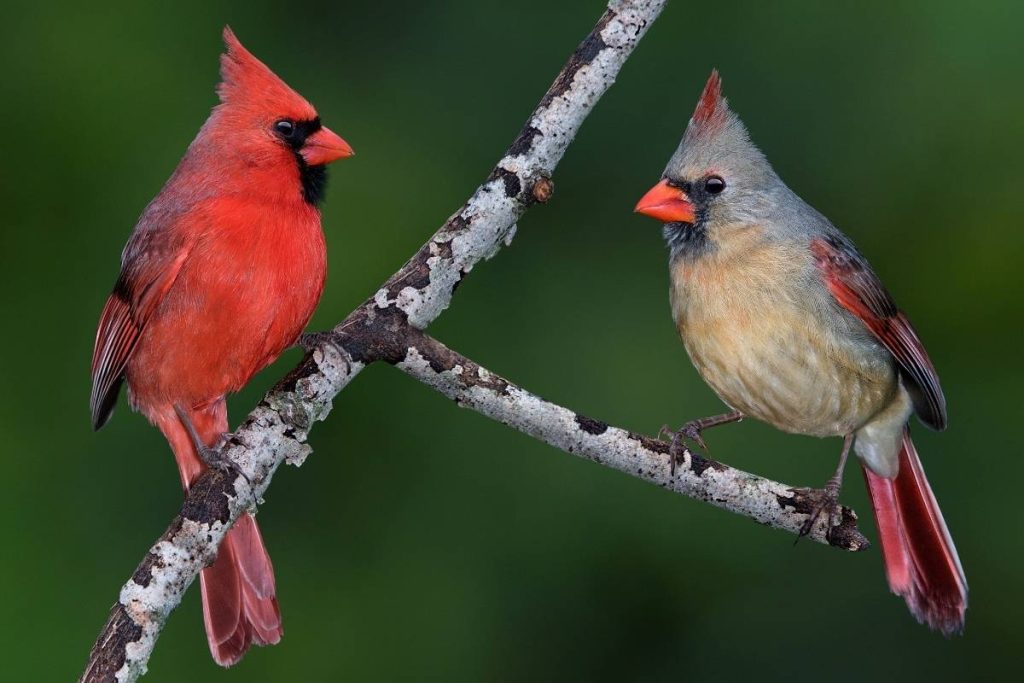
The cardinal is a bright red bird (in males) with a distinctive crest and a black mask around its face. Females share the crest but their coloring is not as bright. The cardinal’s strong, conical beak is perfect for cracking seeds, and its ability to thrive in both dense and open woodlands makes it a common sight in temperate forests.
- Average size: 8-9 inches (20-23 cm)
- Eats: Seeds, fruits, and insects
- Predators: Hawks, owls, snakes, and domestic cats
- Region/continent: North and Central America
- Classification: Cardinalis cardinalis
Carolina Wren
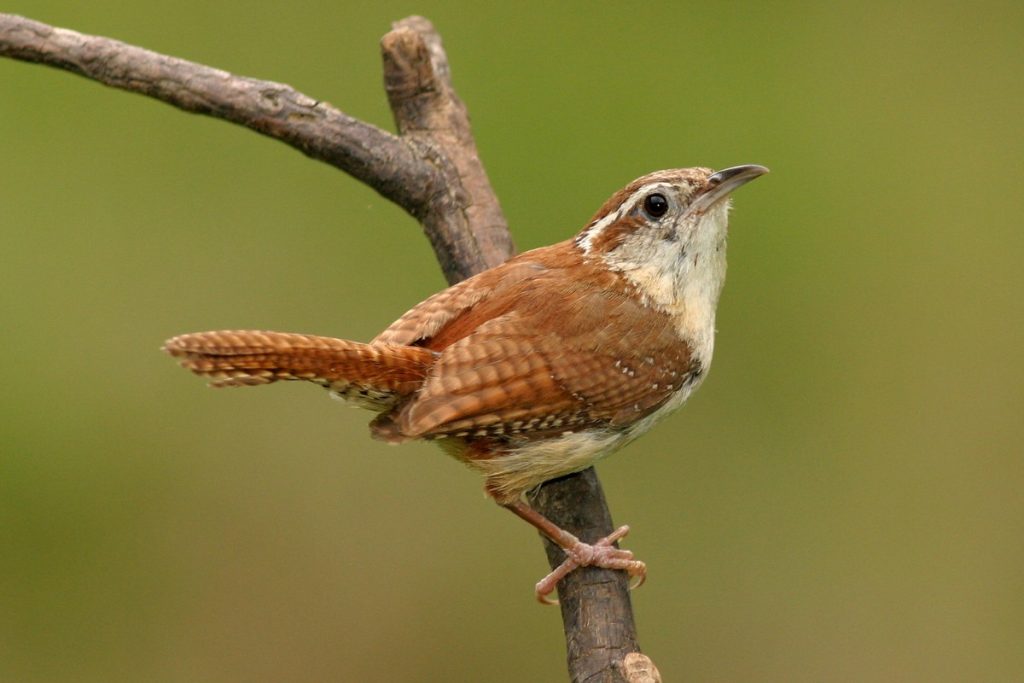
The Carolina Wren is a small, reddish-brown bird with a white eyebrow stripe and a loud, teakettle-like song. It is adapted to the dense undergrowth of temperate forests where it forages for insects and spiders and builds its nest in sheltered, hidden spots.
- Average size: 4.7-5.5 inches (12-14 cm)
- Eats: Insects, spiders, and occasionally fruits and seeds
- Predators: Snakes, cats, and birds of prey
- Region/continent: Eastern United States
- Classification: Thryothorus ludovicianus
Common Raven
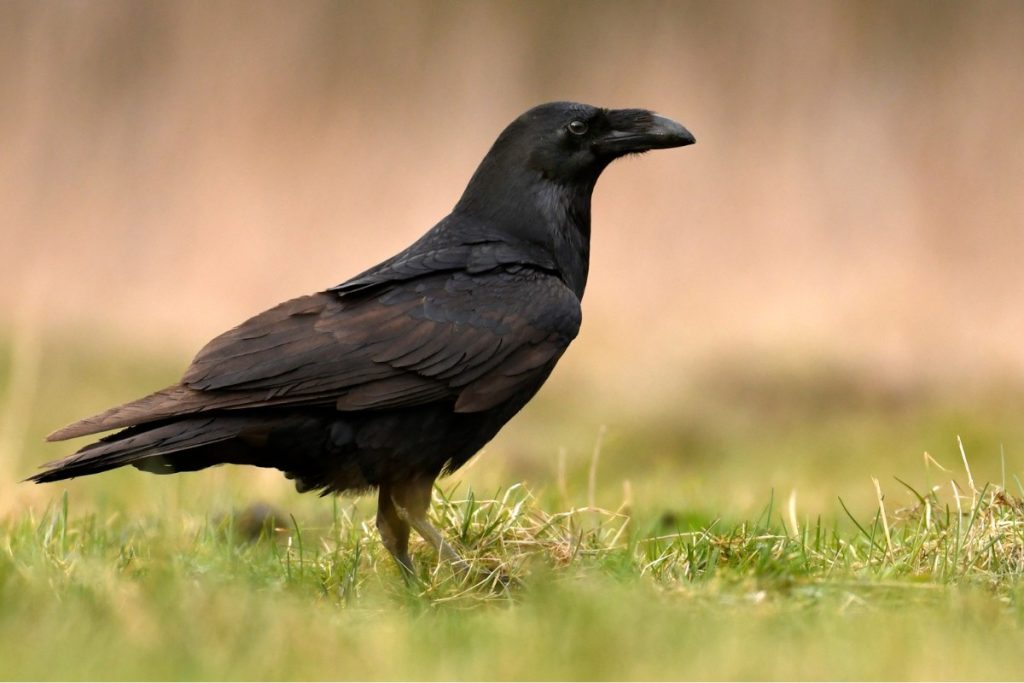
The Common Raven is a large, all-black bird known for its intelligence and varied vocalizations. Its adaptability to different environments and its omnivorous diet, which includes carrion, insects, and fruits, make it a successful inhabitant of temperate forests.
- Average size: 22-27 inches (56-69 cm) with a wingspan of 45-51 inches (115-130 cm)
- Eats: Omnivorous, eating carrion, insects, fruits, and small animals
- Predators: Eagles, hawks, and owls
- Region/continent: Northern Hemisphere
- Classification: Corvus corax
Cooper’s Hawk
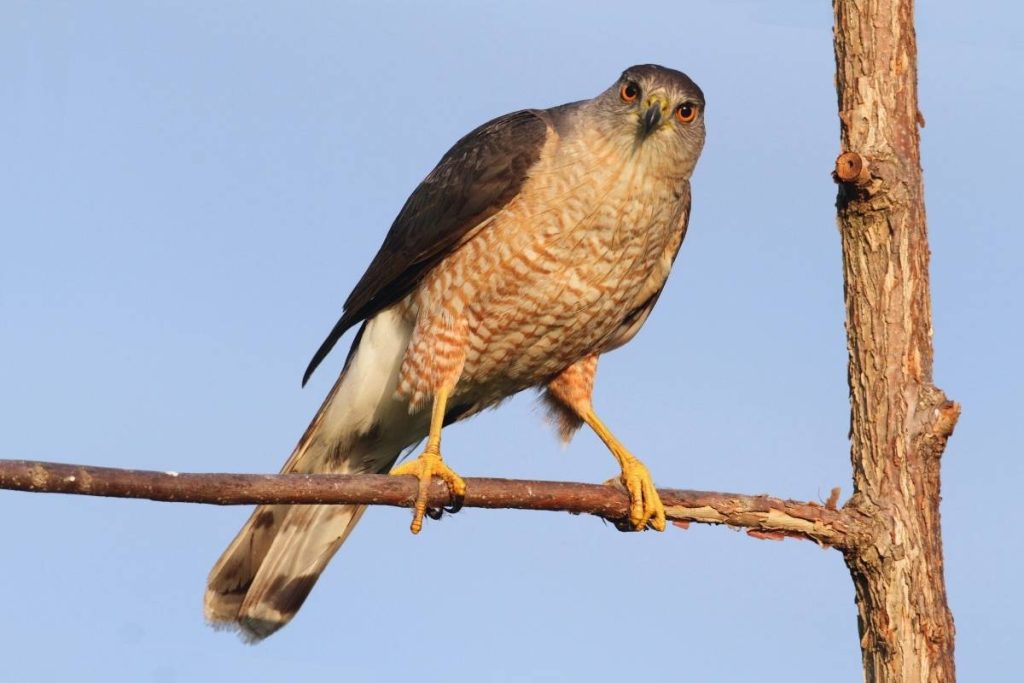
The Cooper’s Hawk is a medium-sized raptor with short, rounded wings and a long tail, which aid in maneuvering through dense forests. It preys on smaller birds and mammals, using its agility and speed to hunt effectively in its wooded habitat.
- Average size: 14-20 inches (35-50 cm) with a wingspan of 24-35 inches (62-90 cm)
- Eats: Birds and small mammals
- Predators: Larger birds of prey
- Region/continent: North America
- Classification: Accipiter cooperii
Eastern Screech Owl

The Eastern Screech Owl is a small owl with either gray or reddish-brown plumage, which provides excellent camouflage against tree bark. It is well adapted to forest life, hunting insects, small mammals, and birds with its keen vision and hearing.
- Average size: 6-10 inches (16-25 cm) with a wingspan of 18-24 inches (46-61 cm)
- Eats: Small mammals, birds, insects, and other small vertebrates
- Predators: Larger owls and hawks
- Region/continent: Eastern North America
- Classification: Megascops asio
Golden Eagle
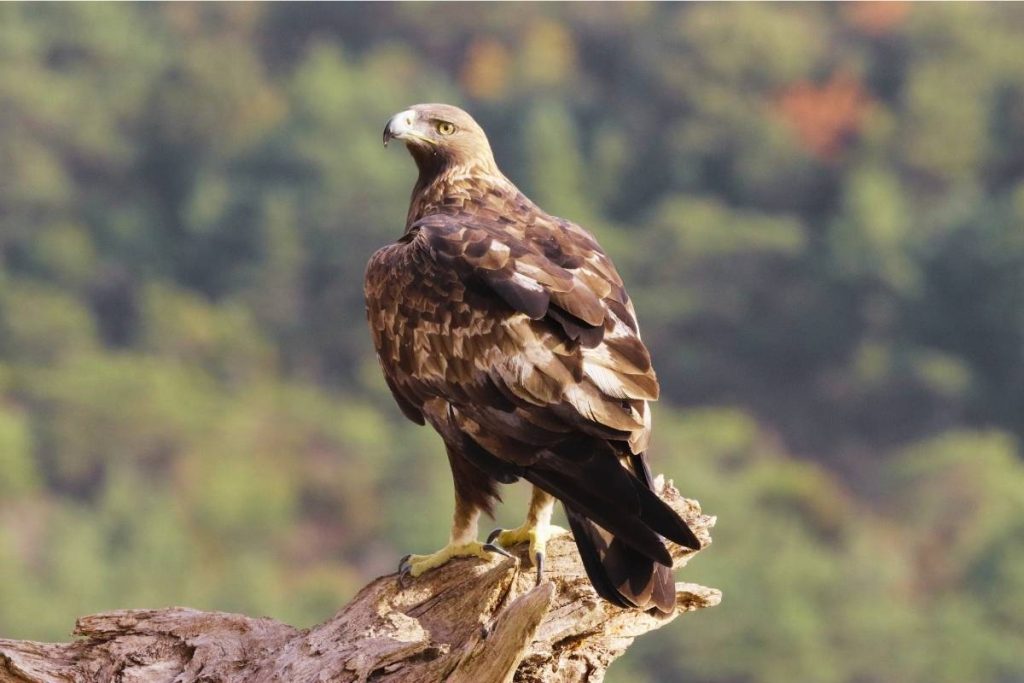
The Golden Eagle is a large raptor with dark brown feathers and a golden sheen on the back of its head and neck. Its powerful build and sharp talons allow it to hunt large prey, such as rabbits and ground squirrels, in the open woodlands and mountainous regions of temperate forests.
- Average size: 27-33 inches (68-84 cm) with a wingspan of 6-7.5 feet (1.8-2.3 m)
- Eats: Small to medium-sized mammals, birds, and carrion
- Predators: Generally none; eggs and young can be preyed on by other birds and mammals
- Region/continent: Northern Hemisphere
- Classification: Aquila chrysaetos
Great Grey Owl
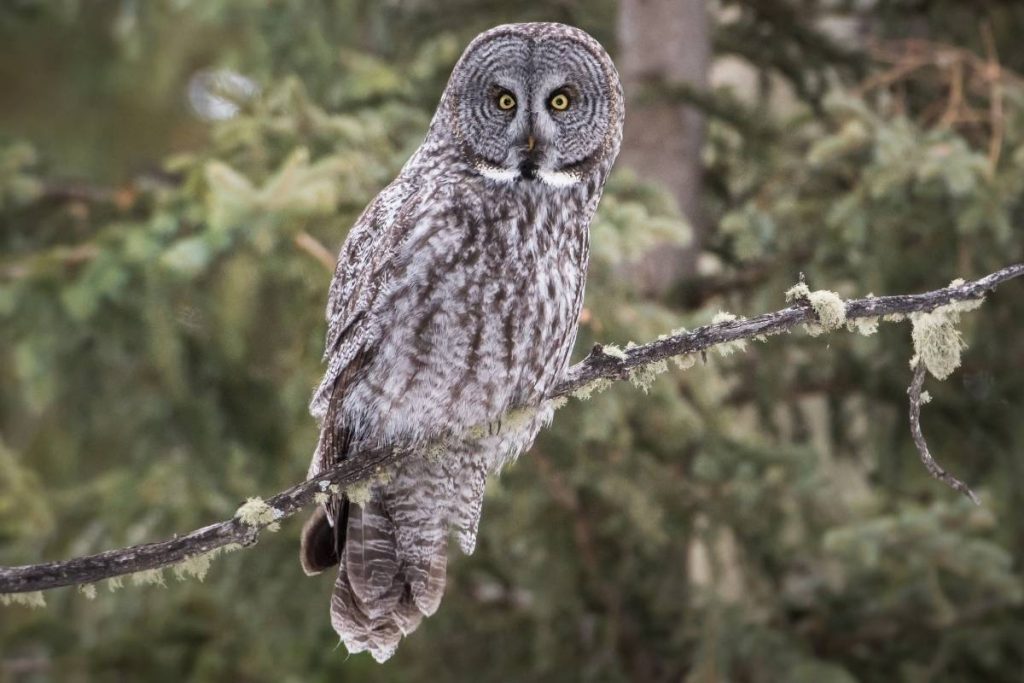
The Great Grey Owl is a large, gray owl with distinctive facial discs and yellow eyes. Its ability to hunt by sound, even through snow, makes it an effective predator in the dense forests and open areas of the northern temperate zone.
- Average size: 24-33 inches (61-84 cm) with a wingspan of 53-60 inches (135-152 cm)
- Eats: Small mammals, especially voles
- Predators: Great horned owls and humans
- Region/continent: Northern North America and Eurasia
- Classification: Strix nebulosa
Great Horned Owl

The Great Horned Owl is a large owl with tufts of feathers resembling horns on its head and striking yellow eyes. It is a versatile temperate forest hunter, preying on a wide variety of animals, from small mammals to other birds.
- Average size: 18-25 inches (46-64 cm) with a wingspan of 36-60 inches (91-153 cm)
- Eats: Small to medium-sized mammals, birds, reptiles, and amphibians
- Predators: None as adults; eggs and young can be preyed on by other large birds
- Region/continent: Americas
- Classification: Bubo virginianus
Pheasant

The Ring-necked Pheasant is a colorful bird with iridescent plumage, a white ring around its neck, and long tail feathers. It thrives in temperate forests and grasslands where it feeds on seeds, insects, and berries, using its strong legs to forage on the ground.
- Average size: 20-35 inches (50-89 cm)
- Eats: Seeds, grains, fruits, and insects
- Predators: Foxes, coyotes, hawks, and humans
- Region/continent: Originally Asia, now widespread in temperate regions
- Classification: Phasianus colchicus
Pileated Woodpecker

The Pileated Woodpecker is a large woodpecker with a striking red crest, black body, and white stripes on its face and neck. It is well adapted to temperate forests where it uses its strong bill to excavate holes in trees to find insects and create nesting cavities.
- Average size: 16-19 inches (40-49 cm) with a wingspan of 26-30 inches (66-75 cm)
- Eats: Insects, especially carpenter ants, and fruits
- Predators: Hawks, owls, and snakes
- Region/continent: North America
- Classification: Dryocopus pileatus
Red-Tailed Hawk
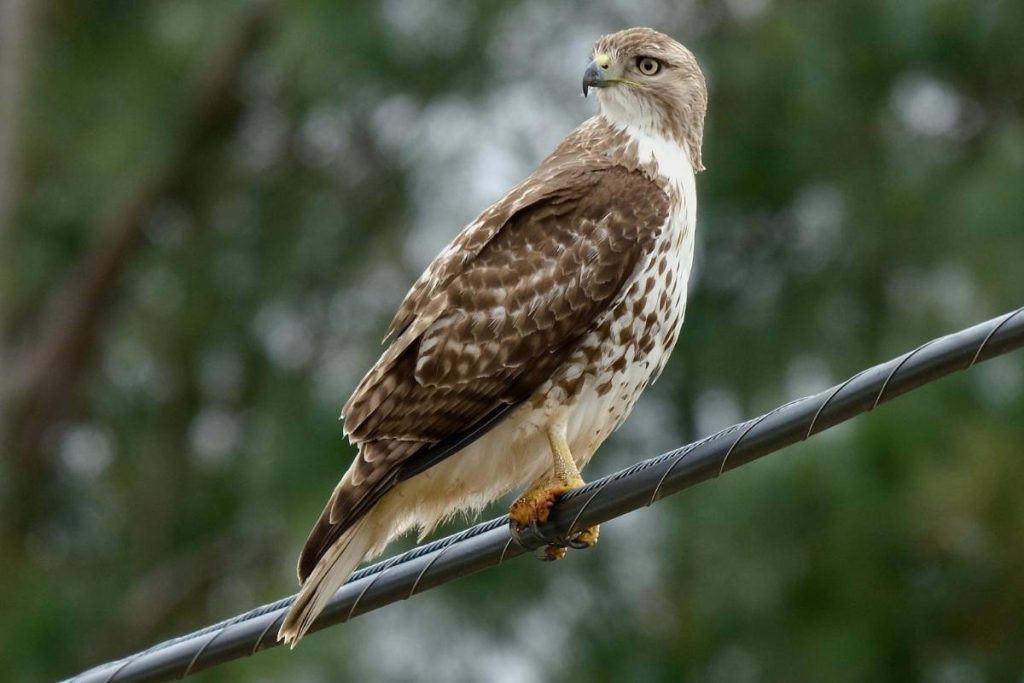
The Red-Tailed Hawk is a large raptor with a broad, rounded tail that is often reddish in adults. It is a versatile and effective hunter, using its keen eyesight to spot prey from high perches in the forest and open areas.
- Average size: 18-26 inches (45-65 cm) with a wingspan of 43-56 inches (110-140 cm)
- Eats: Small to medium-sized mammals, birds, and reptiles
- Predators: Larger birds of prey
- Region/continent: North America
- Classification: Buteo jamaicensis
Wild Turkey
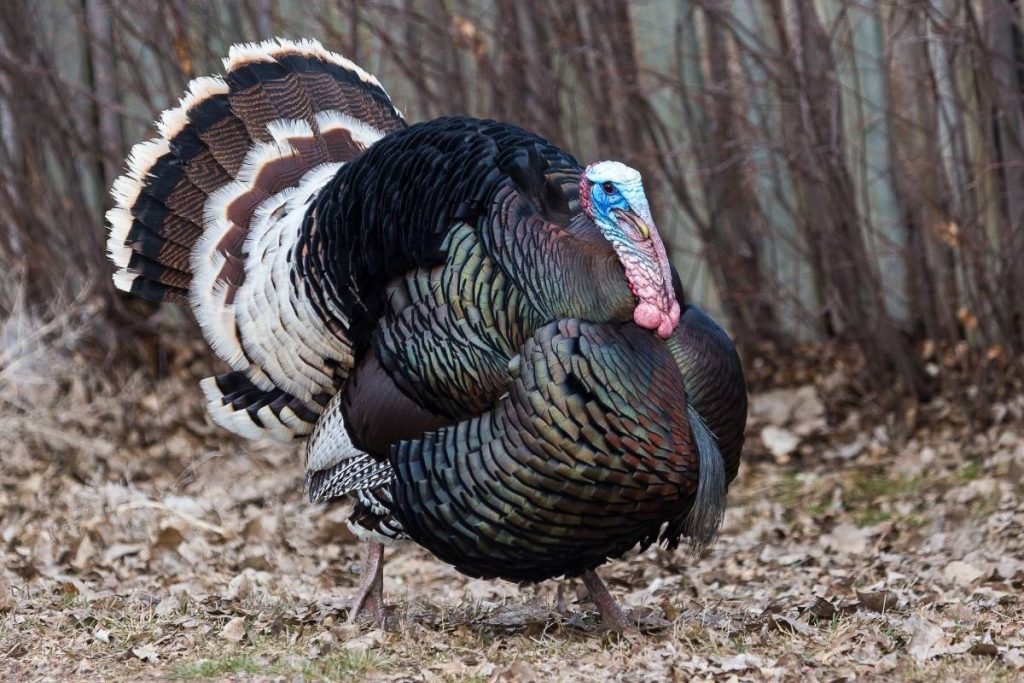
The Wild Turkey is a large, ground-dwelling bird with iridescent feathers, a fan-shaped tail, and a distinctive gobble vocalization. Known for its social behavior, these birds often forage in flocks during the day and roost together at night for safety. These birds are also famous for their elaborate courtship displays, where males fan their tail feathers and gobble to attract females.
- Average size: 30-49 inches (76-125 cm)
- Eats: Seeds, nuts, fruits, insects, and small vertebrates
- Predators: Foxes, coyotes, bobcats, and large birds of prey
- Region/continent: North America
- Classification: Meleagris gallopavo
Mammals
Bears
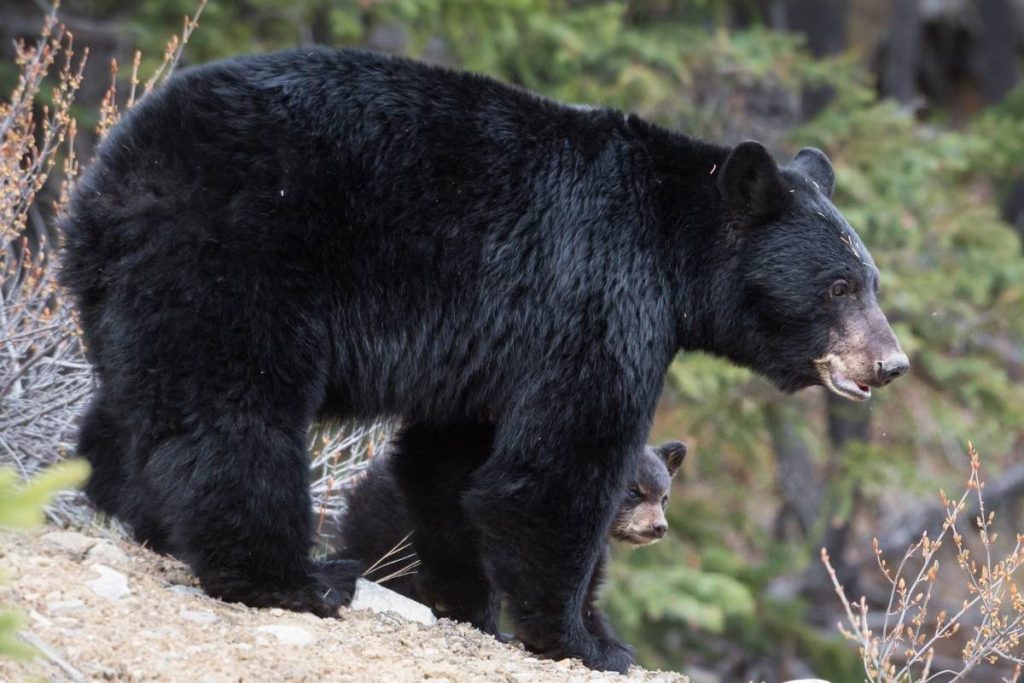
Bears are large mammals with strong limbs and thick fur. American black bears and brown bears occur in temperate forests, with diets that vary by season and region. A prominent shoulder hump is characteristic of brown bears, not all bears. Many populations spend winter in dens.
- Average size: Varies by species; American black bear: 4-6 feet (1.2-1.8 m) long, 100-600 pounds (45-272 kg)
- Eats: Omnivorous; plants, fruits, nuts, insects, small mammals, and fish
- Predators: Humans, occasionally other large predators when young
- Region/continent: North America, Europe, and Asia
- Classification: Ursidae (family, varies by species)
Bobcat
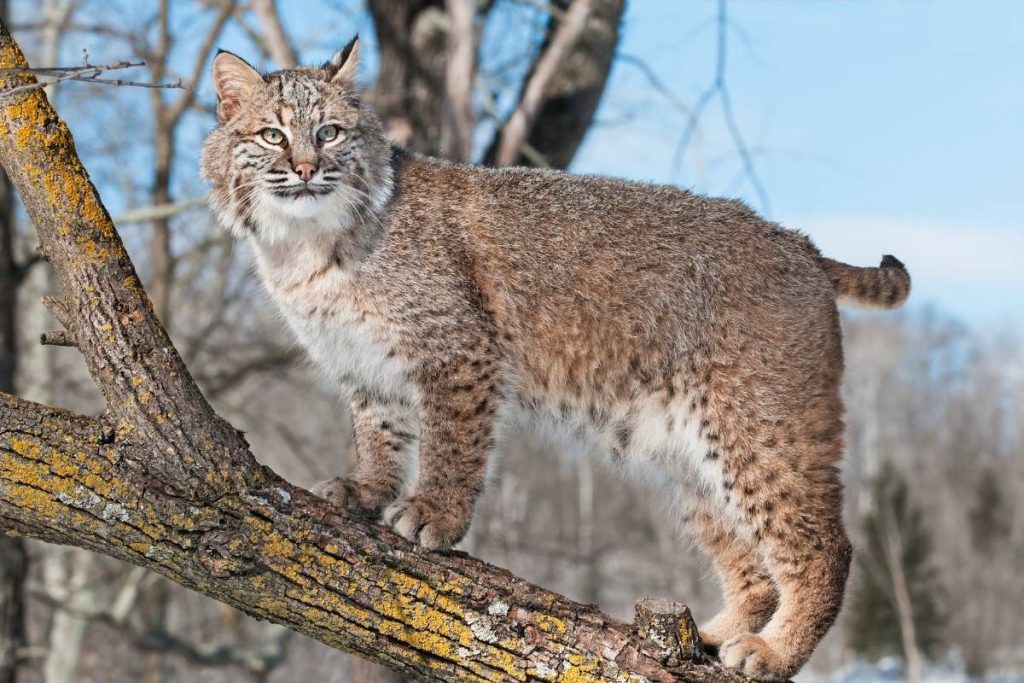
Bobcats are medium-sized wild cats with tufted ears, a short tail, a spotted coat, and keen senses. Solitary, adaptable, and elusive predators, bobcats often remain camouflaged and hidden in their forest environment, hunting primarily at dawn and dusk.
- Average size: 18-49 inches (46-125 cm) long, 8-40 pounds (3.6-18 kg)
- Eats: Small mammals, birds, and occasionally insects and reptiles
- Predators: Coyotes, cougars, and humans
- Region/continent: North America
- Classification: Lynx rufus
Chipmunk
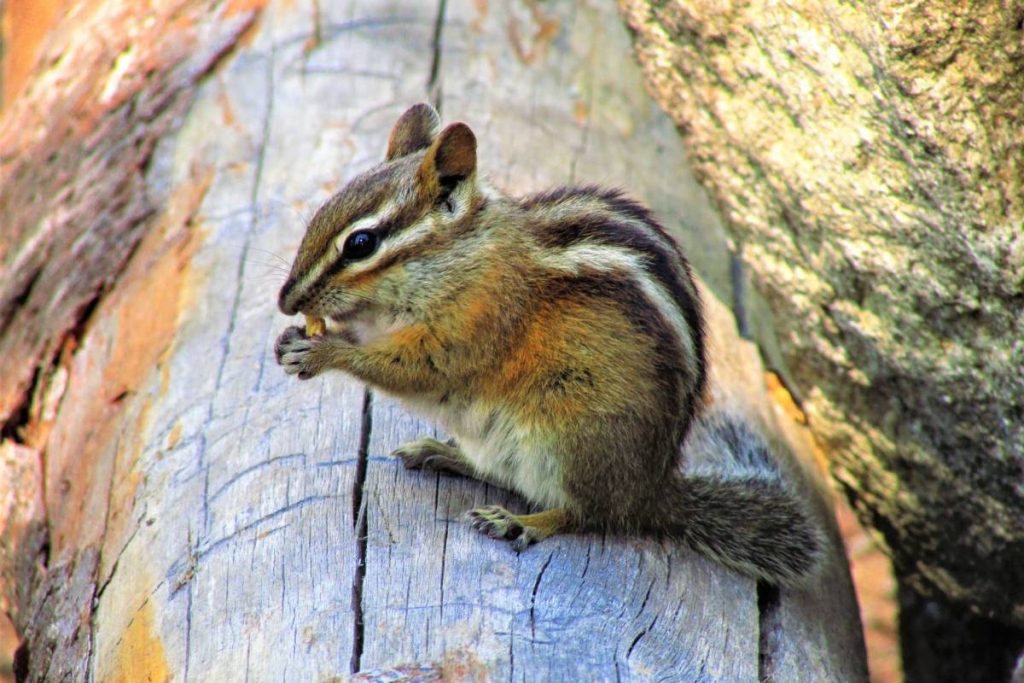
Chipmunks are small rodents with distinctive stripes on their backs and cheek pouches for storing food. They are well adapted to temperate forests where they forage for nuts, seeds, and insects, helping to disperse seeds and aerate the soil with their burrowing activities.
- Average size: 7.2-11.2 inches (18-28.5 cm) including tail
- Eats: Nuts, seeds, fruits, insects, and small animals
- Predators: Hawks, snakes, foxes, and cats
- Region/continent: North America and Asia
- Classification: Tamias
Cougar

The Cougar, also known as the mountain lion, is a large, solitary cat with a tawny coat and a long tail. Its powerful build, sharp claws, and keen hunting skills make it an apex predator in temperate forests, where it preys on deer and other large mammals.
- Average size: 3.25-5.25 feet (1-1.6 m) long, 64-220 pounds (29-100 kg)
- Eats: Deer, small mammals, and occasionally livestock
- Predators: None as adults; young are vulnerable to bears and other large predators
- Region/continent: North and South America
- Classification: Puma concolor
Elk
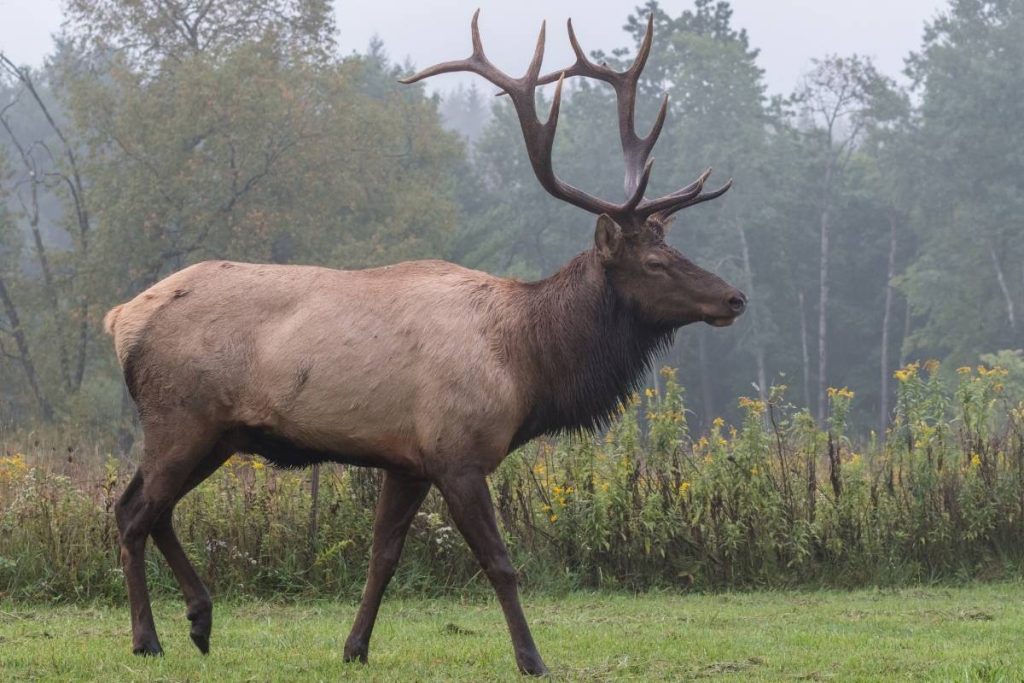
Elk are large, herbivorous mammals with a distinctive set of antlers in males, a thick coat that changes color with the seasons, and the ability to graze on a variety of forest vegetation. Highly social animals, elk form large herds, particularly during the winter months for increased protection against predators.
- Average size: 4-5 feet (1.2-1.5 m) tall at shoulder, 500-1,000 pounds (225-450 kg)
- Eats: Grasses, plants, leaves, and bark
- Predators: Wolves, bears, and mountain lions
- Region/continent: North America and eastern Asia
- Classification: Cervus canadensis
Fox

Foxes are small to medium-sized members of the dog family with bushy tails, sharp features, and reddish to gray fur. Their adaptability, intelligence, and omnivorous diet allow them to thrive in temperate forests.
- Average size: 18-27 inches (46-68 cm) long, 6-24 pounds (2.7-11 kg)
- Eats: Small mammals, birds, insects, fruits, and berries
- Predators: Coyotes, eagles, and humans
- Region/continent: North America, Europe, Asia, and North Africa
- Classification: Vulpes (genus, varies by species)
Lynx
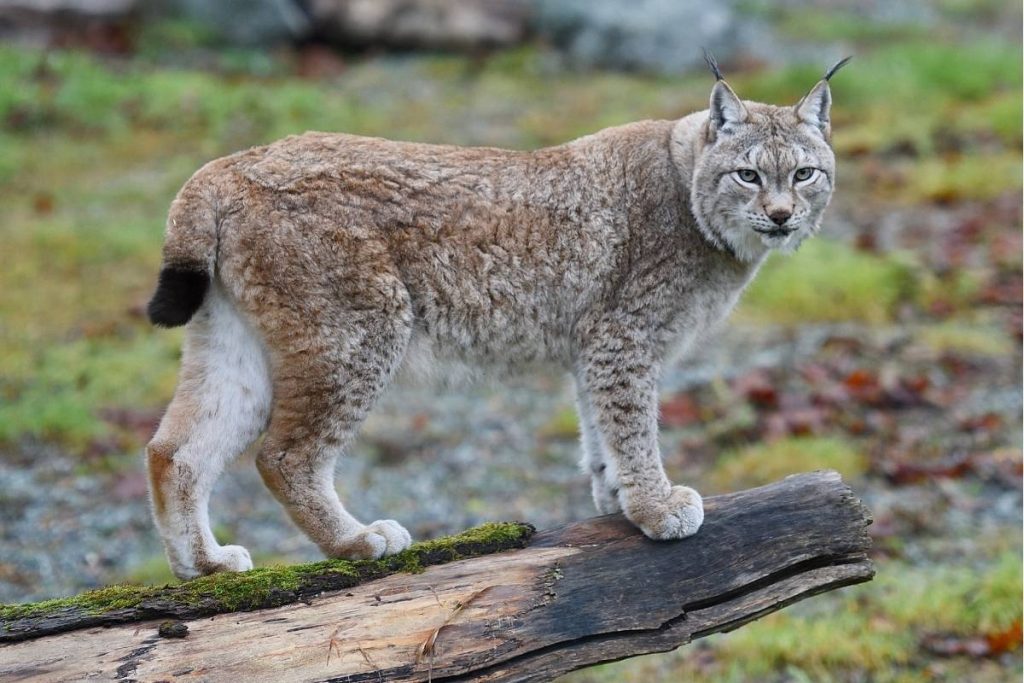
The Lynx is a medium-sized wild cat with tufted ears, a short tail, and a spotted coat. Its powerful limbs, sharp claws, and keen senses make it an effective hunter in the dense forests and rocky areas of temperate regions.
- Average size: 31-51 inches (80-130 cm) long, 18-66 pounds (8-30 kg)
- Eats: Small to medium-sized mammals, especially hares
- Predators: Wolves, cougars, and humans
- Region/continent: North America, Europe, and Asia
- Classification: Lynx
Mole
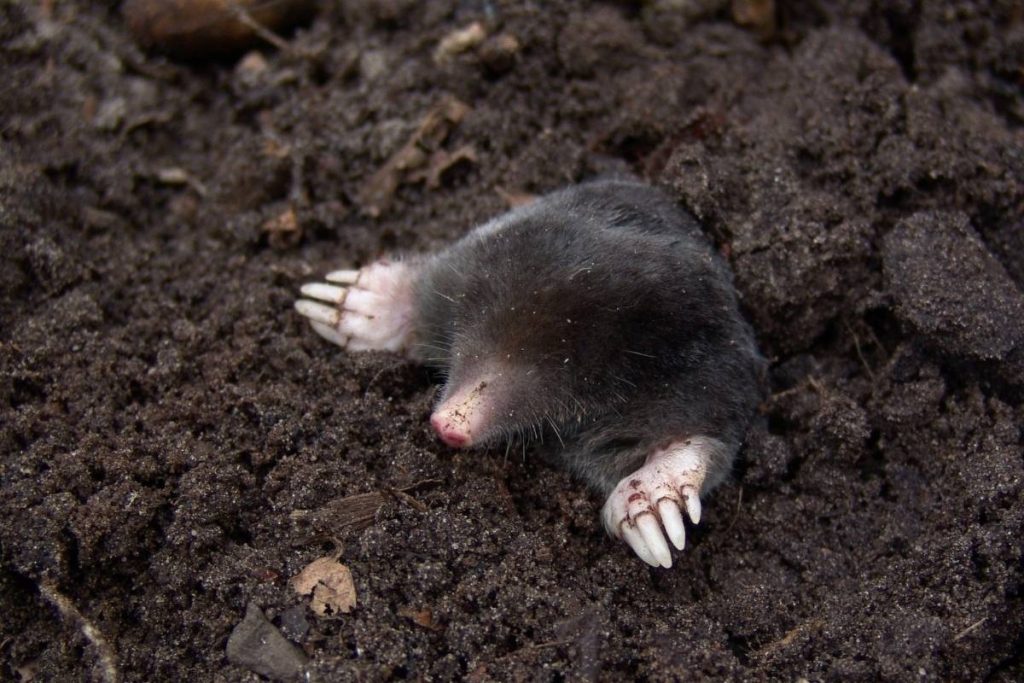
Moles are small, burrowing mammals with velvety fur, tiny eyes, and powerful forelimbs adapted for digging. Moles spend most of their lives underground, creating extensive tunnel systems. Their constant digging aerates the soil and helps control insect populations, benefiting the overall health of the forest ecosystem.
- Average size: 4-7 inches (10-18 cm) long
- Eats: Insects, earthworms, and other invertebrates
- Predators: Owls, hawks, snakes, and mammals
- Region/continent: North America, Europe, and Asia
- Classification: Talpidae (family, varies by species)
Moose
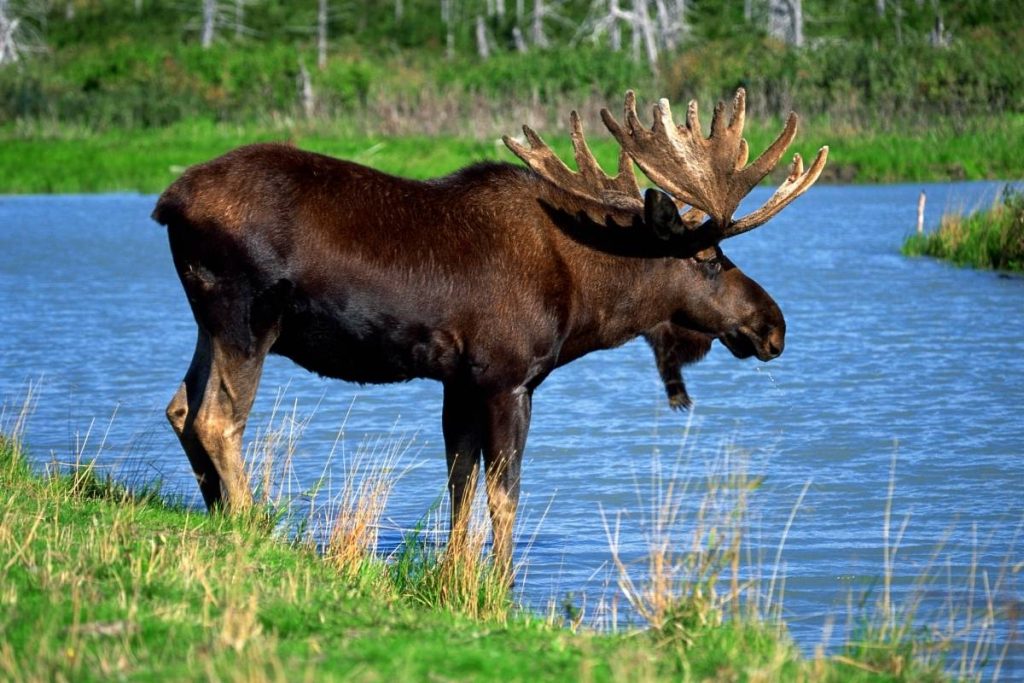
Moose are the largest members of the deer family, with long legs, a humped shoulder, and large, flattened antlers in males. Their ability to feed on a variety of plants and to move easily through a range of environments (including water and deep snow) makes them well suited to northern temperate forests.
- Average size: 4.6-6.9 feet (1.4-2.1 m) tall at shoulder, 800-1,500 pounds (360-680 kg)
- Eats: Leaves, twigs, bark, and aquatic plants
- Predators: Wolves, bears, and humans
- Region/continent: North America, Europe, and Asia
- Classification: Alces alces
Opossum

The Virginia opossum is a North American marsupial with grayish fur, a pointed snout, and a prehensile tail. It eats a varied diet that can include insects, fruit, small animals, and carrion. Claims that opossums reliably control large numbers of ticks should not be treated as established fact.
- Average size: 15-20 inches (38-51 cm) long, 4-14 pounds (1.8-6.4 kg)
- Eats: Omnivorous; insects, fruits, small mammals, and carrion
- Predators: Owls, hawks, foxes, and humans
- Region/continent: North and South America
- Classification: Didelphidae; marsupial
Porcupine
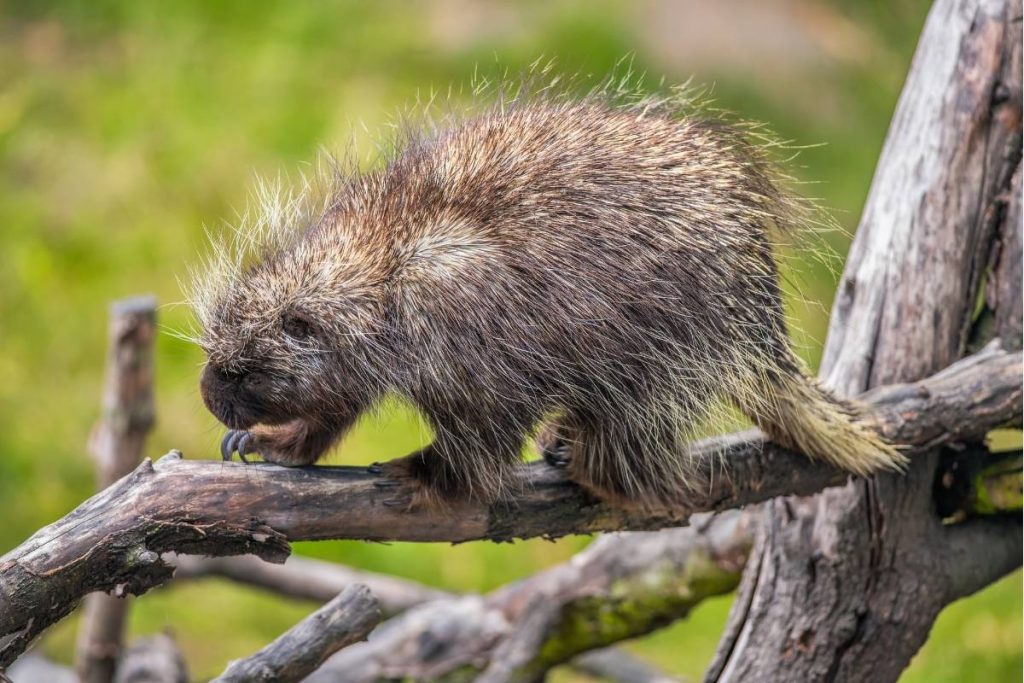
Porcupines are medium-sized rodents with a coat of sharp quills for defense against predators. They are well adapted to temperate forests, where they feed on bark, leaves, and twigs and use their strong climbing abilities to navigate trees.
- Average size: 25-36 inches (64-91 cm) long, 12-35 pounds (5.4-16 kg)
- Eats: Leaves, twigs, bark, and other plant materials
- Predators: Cougars and other big cats, wolves, and owls
- Region/continent: North America, Europe, and Asia
- Classification: Erethizontidae; rodent
Rabbit

Rabbits are herbivorous mammals with long ears and strong hind legs. Their social behavior varies: European rabbits may live in colonies and dig warrens, while many North American cottontails are more solitary and shelter in vegetation rather than shared burrow systems.
- Average size: 13-20 inches (33-50 cm) long, 2-5 pounds (0.9-2.3 kg)
- Eats: Grasses, herbs, vegetables, and bark
- Predators: Foxes, birds of prey, snakes, and humans
- Region/continent: Worldwide, varies by species
- Classification: Leporidae
Raccoon

Raccoons are adaptable omnivores with dexterous front paws, a black facial mask, and a ringed tail. They use touch to examine food and other objects, sometimes manipulating them in water. This behavior is not a requirement to wash every meal before eating.
- Average size: 16-28 inches (41-71 cm) long, 8-20 pounds (3.6-9 kg)
- Eats: Omnivorous; fruits, nuts, insects, small animals, and garbage
- Predators: Coyotes, bobcats, and owls
- Region/continent: North America
- Classification: Procyon lotor
Skunk

Skunks are small to medium-sized mammals with black and white striped fur and a potent defense mechanism: their spray, which leaves a pungent and long-lasting odor. These animals use their strong sense of smell to locate food among dense temperate forest vegetation.
- Average size: 15-37 inches (38-94 cm) long, 1.1-18 pounds (0.5-8.2 kg)
- Eats: Omnivorous; insects, small mammals, fruits, and plants
- Predators: Great horned owls, coyotes, and bobcats
- Region/continent: North and South America
- Classification: Mephitidae
Squirrel

Squirrels are small to medium-sized rodents with bushy tails, strong hind legs, and sharp claws. Their agility and ability to climb trees, store food, and adapt to different habitats make them well-suited to temperate forests.
- Average size: 6-15 inches (15-38 cm) long, 0.5-3 pounds (0.2-1.4 kg)
- Eats: Nuts, seeds, fruits, and insects
- Predators: Birds of prey, snakes, and mammals
- Region/continent: Worldwide, varies by species
- Classification: Sciuridae; rodent
Whitetail Deer
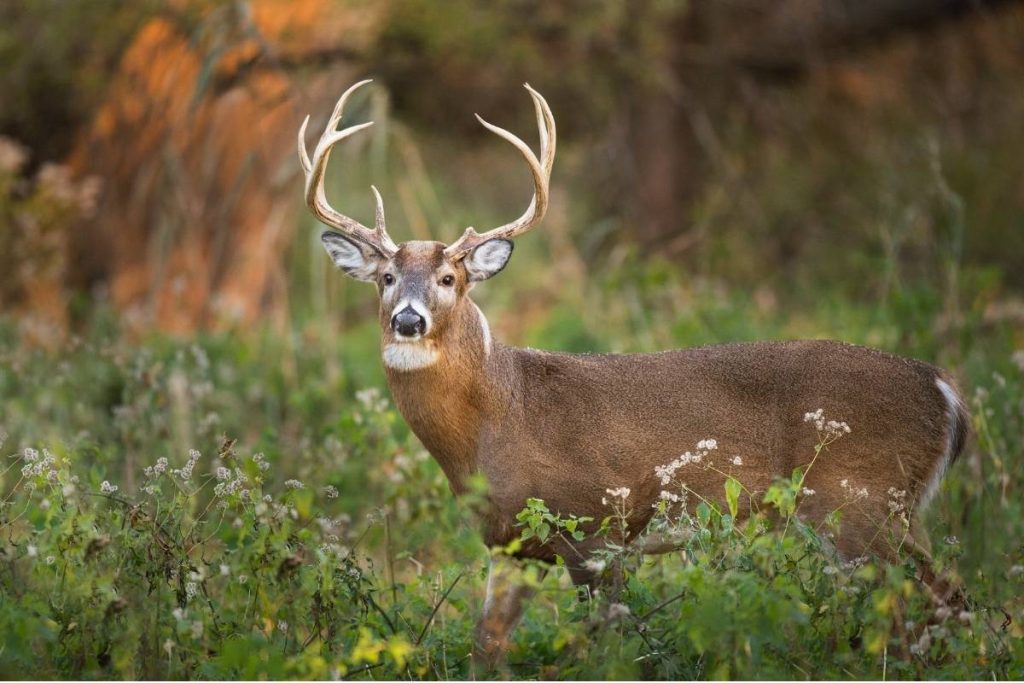
Whitetail Deer are medium-sized herbivores with a reddish-brown coat that turns grayish in winter, and a distinctive white underside to their tails. Males grow and shed a set of antlers each year. Whitetail deer are able to browse a variety of vegetation and adapt to different forest environments.
- Average size: 3-3.5 feet (0.9-1.1 m) tall at shoulder, 100-300 pounds (45-136 kg)
- Eats: Leaves, twigs, fruits, and nuts
- Predators: Wolves, coyotes, bobcats, and humans
- Region/continent: North and Central America
- Classification: Odocoileus virginianus
Wolf

Wolves are large members of the dog family with thick fur, strong build, keen senses, and complex social structures. They are apex predators in temperate forests, where they hunt in packs to take down large prey such as deer and elk.
- Average size: 4.5-6.5 feet (1.4-2 m) long, 50-110 pounds (23-50 kg)
- Eats: Large ungulates, small mammals, and carrion
- Predators: Humans, occasionally other large predators
- Region/continent: North America, Europe, and Asia
- Classification: Canis lupus
About the Temperate Forest Biome
Temperate forests typically experience four distinct seasons: spring, summer, fall, and winter. While winter temperatures often drop below freezing, summers are mild, averaging around 70°F (21°C). Annual rainfall ranges from 30 to 60 inches (76-152 cm), creating a moderate climate that supports a rich diversity of plant and animal life.
Temperate forests can contain both coniferous and deciduous trees. Pine and spruce needles are leaves; retaining them allows these trees to photosynthesize when conditions permit, including some mild winter days. Many deciduous trees shed their leaves in fall, changing the light and shelter available to forest animals.
In addition to trees, temperate forests feature many other plants such as shrubs, ferns, wildflowers, and mosses. These plants play crucial roles in the ecosystem, providing food and shelter for a wide array of animals.
Adaptations of Temperate Forest Animals
Unique Challenges for Temperate Forest Animals
While the temperate forest biome is rich in biodiversity, it also presents a few key challenges for animal residents to overcome.
- Seasonal Changes: Temperate forests experience distinct seasons, with fluctuations in temperature and precipitation. Animals must adapt to these changes, from surviving harsh winters to utilizing abundance during warmer months.
- Food Availability: Availability of food varies seasonally. Some animals hibernate or migrate to cope with food scarcity in winter, while others adapt by changing their diet or foraging strategies.
- Competition for Resources: With a diverse range of species inhabiting temperate forests, competition for food, water, and shelter is intense. This competition can influence population dynamics and behavior.
- Predation: Predators and prey species coexist, leading to complex predator-prey interactions. Predators need to hunt efficiently, while prey must evade capture through camouflage, speed, or defensive behaviors.
- Shelter and Nesting Sites: Animals rely on specific habitats for shelter, nesting, and raising offspring. Availability of suitable habitat can limit population growth or force species to adapt to changing conditions.
- Climate Extremes: Despite being temperate, these forests can experience extreme weather events such as storms, droughts, or heatwaves, impacting animal populations and habitats.
- Coexistence with Humans: Temperate forests are as attractive to humans as they are to animals. This means that many temperate forest animals must navigate interactions with humans, ranging from competition for resources to the direct impacts of roads, development, and recreational activities.
To address these challenges, temperate forest animals have developed a range of responses, including physical, behavioral, and seasonal adaptations.
Physical Adaptations
Temperate forest animals have evolved physical adaptations to suit their environments. For example, animals like bears and moose grow thick fur coats to insulate themselves from cold temperatures. Deer and rabbits have large ears that help regulate body temperature and detect predators. Birds like owls and hawks have keen eyesight and sharp talons for hunting prey in dense forest environments. These physical adaptations enable animals to navigate and survive the challenges of life in temperate forests.
Behavioral Adaptations
Forest animals respond to seasonal changes in different ways. Squirrels store food, wolves may hunt cooperatively in packs, and many foxes hunt alone. Migrating animals include monarch butterflies and some songbirds; a monarch is an insect, not a bird.
Seasonal Adaptations
Seasonal adaptations allow temperate forest animals to cope with the distinct challenges of each season. In winter, animals like hibernating bears and ground squirrels reduce their metabolic rates to conserve energy and survive on stored fat reserves. Birds migrate to warmer climates where food is more abundant, while others, like some smaller mammals, change their fur color to blend in with snow-covered landscapes for better camouflage. In spring and summer, many animals increase their activity levels to mate, raise young, and gather food while conditions are favorable. These seasonal adaptations ensure that temperate forest animals can take full advantage of seasonal resources and maximize their chances of survival and reproduction.
Frequently Asked Questions: Temperate Forest Animals
Do all temperate forest animals hibernate?
Not all temperate forest animals hibernate. Hibernation is a survival strategy used by some animals, such as bears and certain small mammals like chipmunks and bats, to conserve energy during the cold winter months when food is scarce. However, many other animals, such as deer, birds, and predators like wolves and bobcats, remain active throughout the winter. These animals adapt in other ways, such as growing thicker fur, storing food, or migrating to areas with more abundant resources.
Are any temperate forest animals mutually dependent on one another?
Forest animals depend on many ecological relationships. Pollinators help plants reproduce, and some birds and mammals disperse seeds. Woodpecker cavities later provide nesting sites for other animals. These relationships benefit a forest community without implying that every pair of species depends exclusively on each other.
How do human activities affect temperate forest animals?
Human activities significantly impact temperate forest animals in various ways. Deforestation for agriculture, logging, and urban development destroys habitats, forcing animals to relocate or face population declines. Pollution, including pesticides and industrial waste, can poison water sources and food supplies, harming wildlife health. Climate change, driven by human activities, alters the forest environment, affecting the availability of food and the timing of natural events like migration and breeding. Additionally, human encroachment increases the likelihood of conflicts between humans and wildlife, leading to further stress on animal populations.
What can we do to help protect temperate forest animals in temperate forests?
We can take several steps to help protect temperate forest animals and their habitats. Supporting conservation efforts and organizations that work to preserve forested areas is crucial. Reducing our carbon footprint by using less energy and supporting renewable energy sources can help mitigate climate change impacts. Practicing sustainable living, such as recycling, reducing waste, and using fewer single-use plastics, also benefits the environment. Additionally, advocating for and following responsible land use policies, such as protecting old-growth forests and creating wildlife corridors, can help maintain healthy ecosystems for temperate forest animals.