The life cycle of a chicken is a fascinating journey that transforms a tiny egg into a full-grown rooster or hen. Chickens undergo several stages of development, each with its unique changes and milestones. Understanding the life cycle of a chicken can help you appreciate how these birds grow and develop from their earliest days to adulthood.

The Five Stages of a Chicken’s Life Cycle
1. Egg Stage
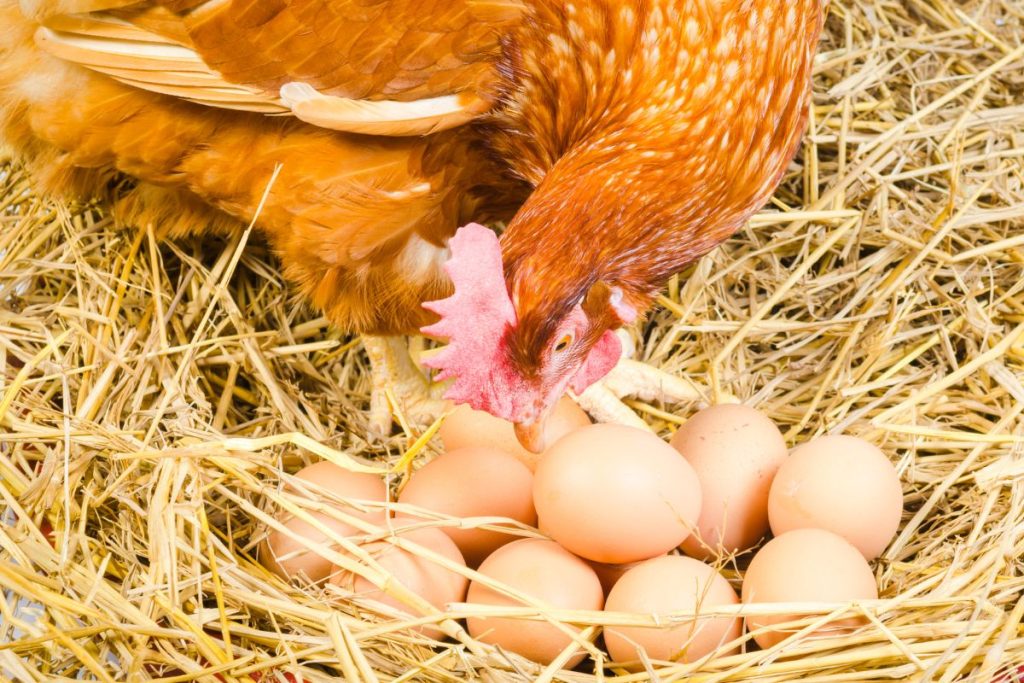
The egg stage is the beginning of the life cycle of a chicken, and is a crucial period for development. A hen lays eggs, which are carefully incubated to allow the embryo inside to grow.
During this time, the egg is covered with a protective shell that helps shield the developing chick from outside elements and potential predators. Inside the egg, the chick forms all the essential organs, feathers, and body structures needed for survival outside the egg. The hen or an incubator provides the necessary warmth to maintain the right temperature and humidity levels.
A chicken egg typically takes about 21 days to hatch. During this time, the developing chick grows and prepares to break out of the shell.
As the egg nears the end of the incubation period, the chick begins to break through the shell, preparing to hatch and enter the next stage of its life cycle.
2. Hatchling Stage
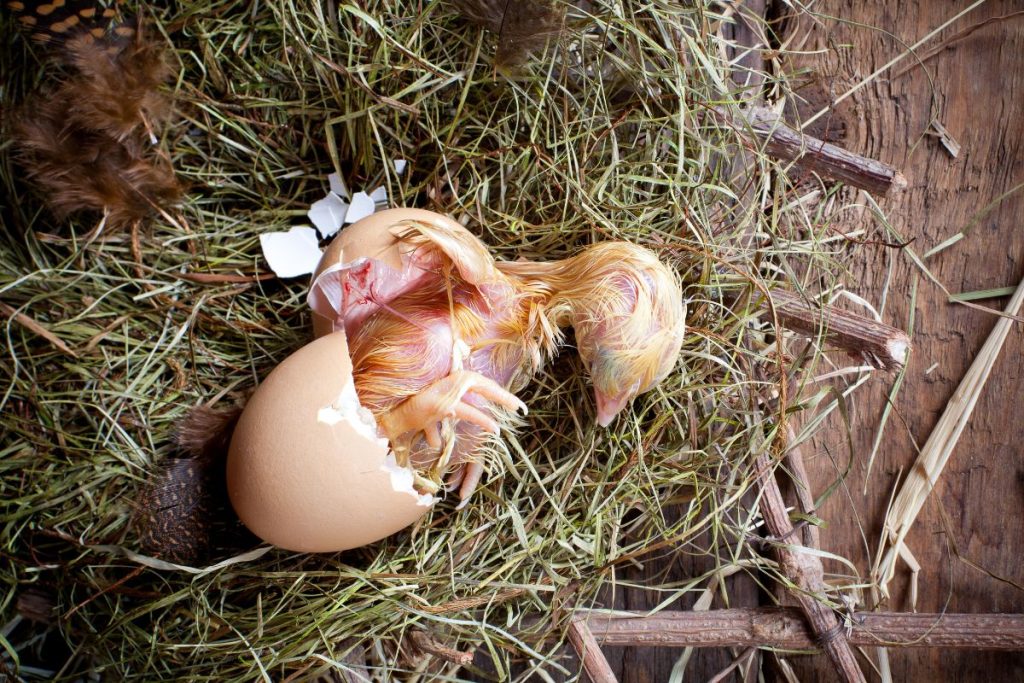
The hatchling stage marks the exciting transition from an egg to a newly hatched chick. When the chick is ready to emerge, it uses a special structure called an “egg tooth” to peck its way out of the shell. This process, known as pipping, involves the chick gradually breaking the shell and pushing its way out.
At this stage, the hatchling is covered in soft, downy feathers and is very vulnerable. It relies on its mother or an incubator for warmth, as it cannot regulate its body temperature independently.
Newly hatched chicks start with a special diet of chick starter feed, which is high in protein and nutrients essential for their growth.
The hatchling’s primary needs include warmth, food, and hydration. It begins to explore its surroundings, learning to peck at food and drink water, and gradually becomes more active and alert as it prepares to grow into a fully feathered chick.
3. Chick Stage
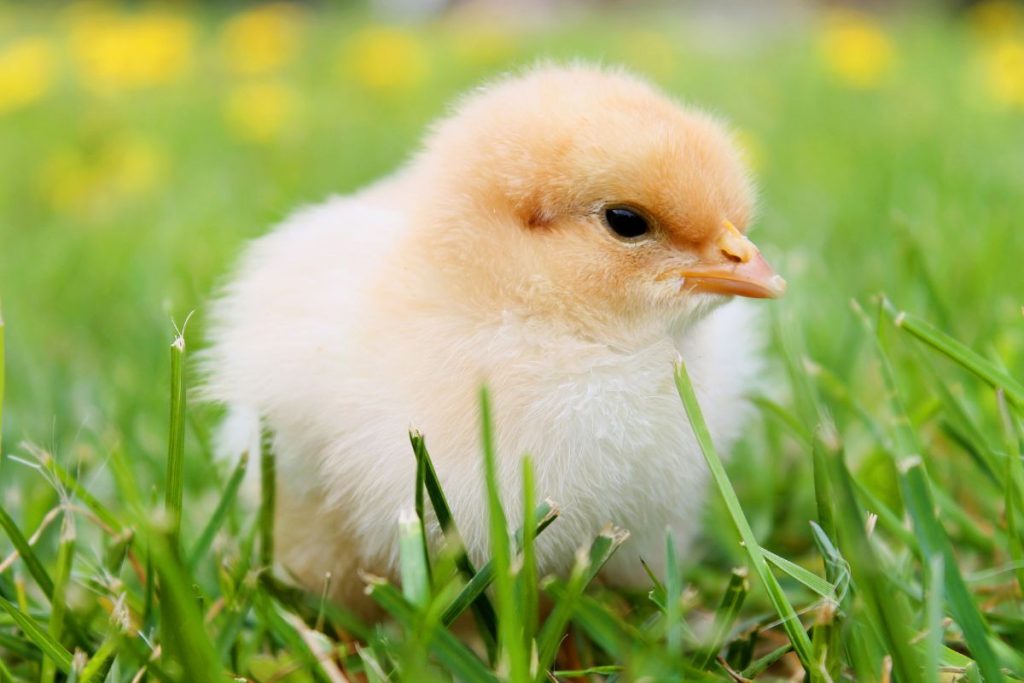
The chick stage is a period of rapid growth and development for young chickens. After hatching, chicks transition from relying on their yolk sac for nutrition to eating solid food, such as chick starter feed, which is specially formulated to meet their nutritional needs.
During this stage, chicks develop their adult feathers, which replace the initial downy plumage. They also begin to learn essential behaviors, like pecking for food and drinking water independently.
It can be difficult to tell the sex of a chick when it is very young. However, as they grow, roosters will develop larger combs (the fleshy part on their heads) and more vibrant feathers, while hens will have smaller combs and more subdued coloring.
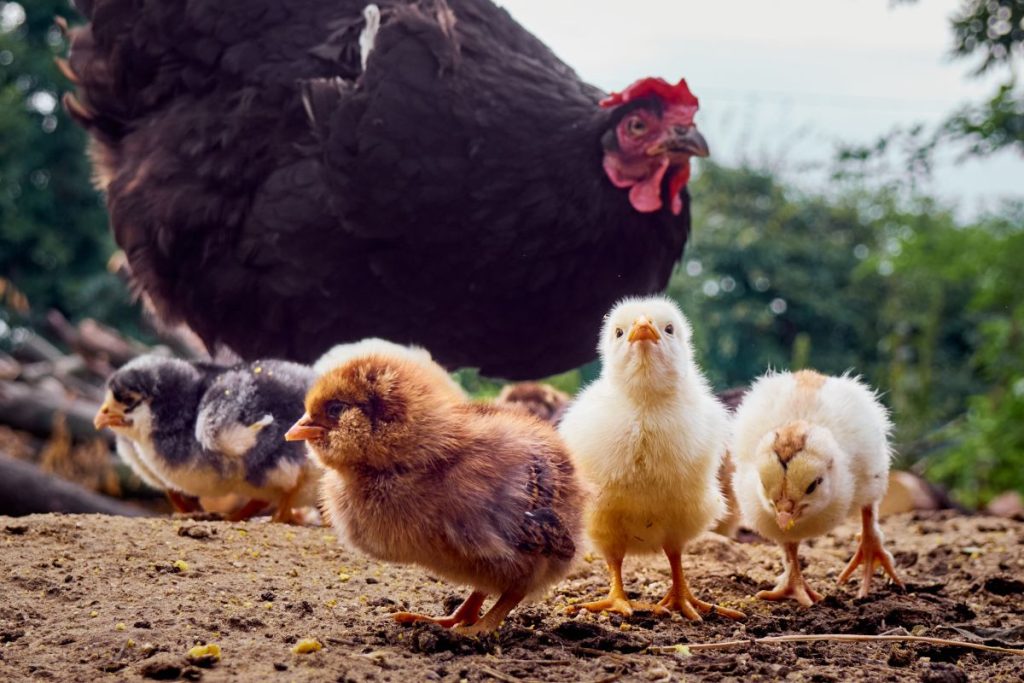
As they grow, chicks become more active, exploring their environment and socializing with other chicks. Proper care during this stage is crucial, as chicks need a warm, safe environment to thrive and build the strength and skills necessary for their next stages of development.
4. Pullet or Cockerel Stage

The pullet or cockerel stage is a key phase in a chicken’s development as it transitions from a chick to an adult. Pullets are young hens that are growing into their reproductive phase, while cockerels are young roosters that are developing into mature males. During this stage, which typically spans from about 6 to 18 weeks of age, chickens continue to grow and develop their adult feathers, and their sexual characteristics become more distinct.
Cockerels generally develop more vibrant and colorful plumage compared to pullets. They also tend to have larger combs and wattles (the fleshy parts on their heads and necks), which become more pronounced as they grow. Additionally, the size and shape of their feathers can help differentiate them, as roosters often have more ornate and longer feathers, especially around the neck and tail.
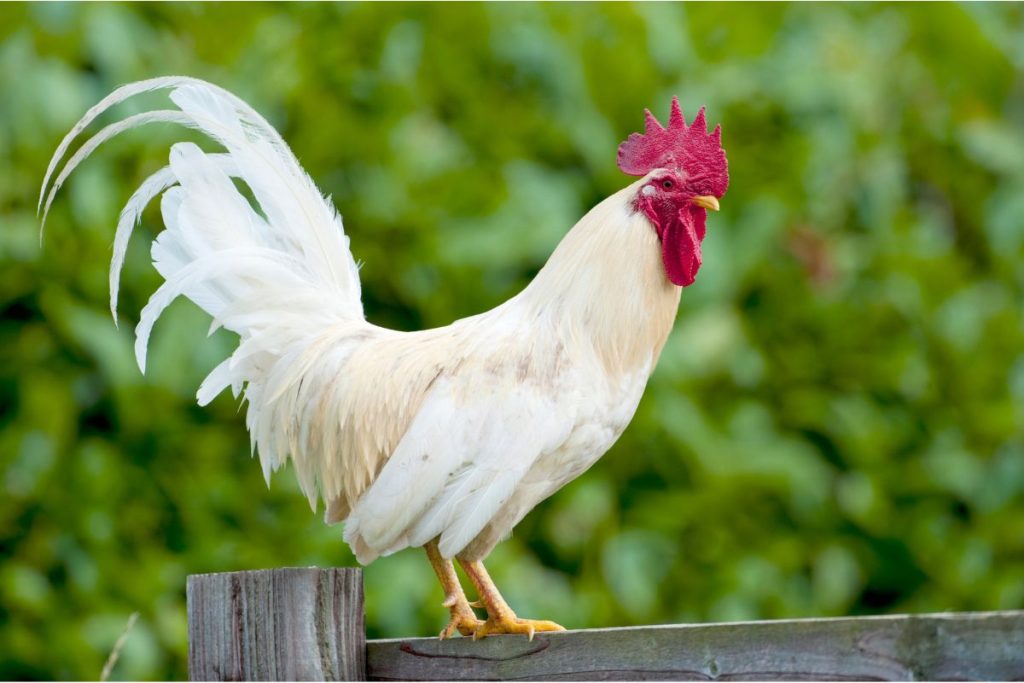
Pullets start to lay eggs around 5 to 6 months of age, while cockerels grow into their full plumage and begin to exhibit behaviors associated with adult roosters, such as crowing and establishing territory. Both pullets and cockerels require proper nutrition and care to ensure healthy growth and development as they approach adulthood.
5. Adult Stage

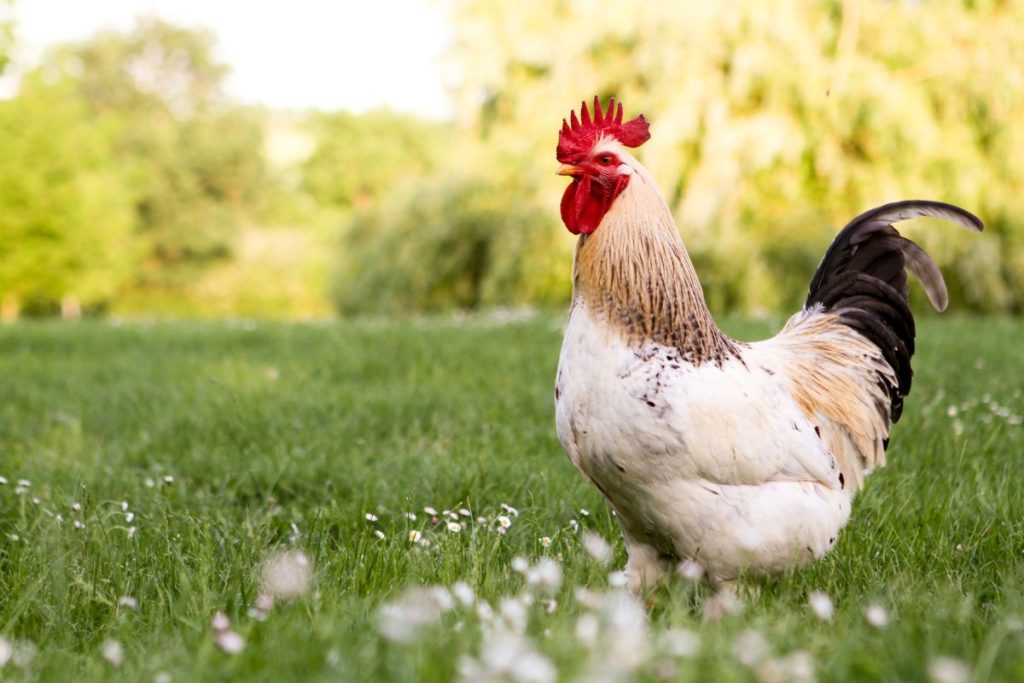
Adult chickens are fully grown and can be classified as hens (females) or roosters (males). Hens lay eggs regularly, and roosters are known for their crowing. Learn more about chickens and other common farm animals here.
Adult chickens are versatile and can thrive in various environments, from free-range settings to confined coops, provided they have adequate space, food, and water. They also exhibit social behaviors, such as establishing pecking orders and forming flocks. Proper care is essential during this stage to ensure their health and productivity, including maintaining clean living conditions, providing a balanced diet, and managing any health issues that arise.
Yes, chickens require different care at each stage. Chicks need warmth and protection, while growing chickens need a balanced diet and space to roam. Adult chickens require proper housing and ongoing care to stay healthy.
Chickens can sometimes live with other animals, but it depends on the other animals’ temperament and the setup of their environment. It’s important to supervise interactions to ensure all animals are safe and comfortable.
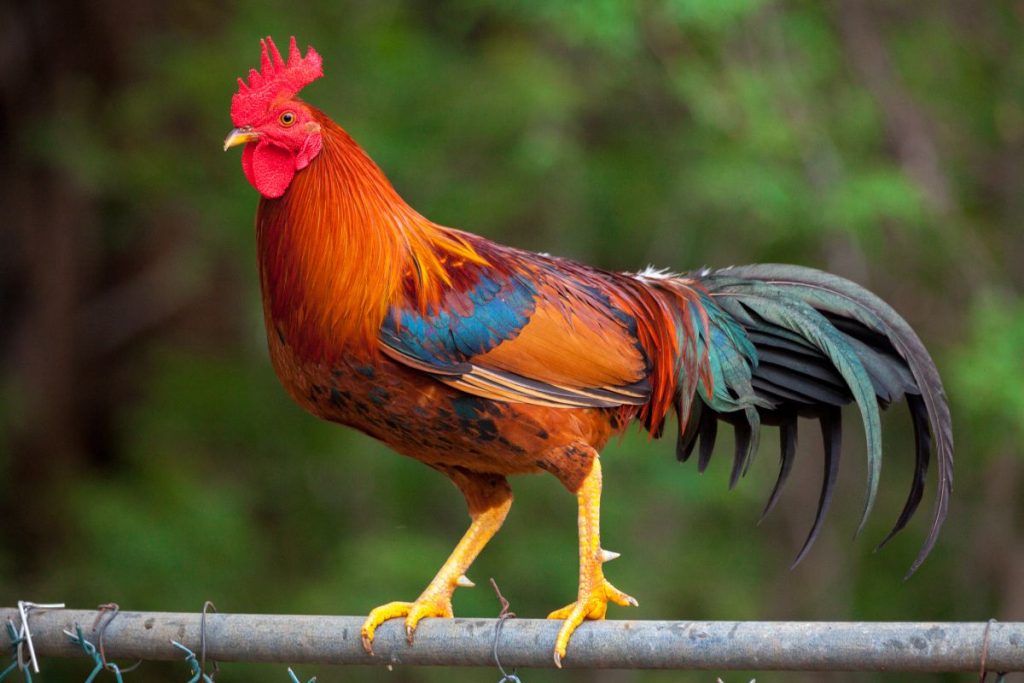
The adult stage is a period of stability and productivity in the life cycle of a chicken, crucial for both egg production and the continuation of the flock. Chickens can live for several years, depending on their breed and living conditions.
Fun Facts About Chickens
Chickens are among the most widespread birds. There are more chickens on Earth than any other bird species, with billions of chickens around the world.
Chickens can recognize faces. Chickens have the ability to remember and recognize up to 100 different faces, including those of other chickens and humans.
A hen can lay over 300 eggs per year. Some hens are very prolific and can lay a large number of eggs annually, especially if they are kept in optimal conditions.
A rooster’s crow is an internal alarm clock. Roosters crow at dawn to mark the beginning of a new day, but they can also crow at any time of the day to establish their territory.
Chickens can communicate with each other. Chickens use a variety of sounds to communicate. For example, they have different calls for alerting others to danger or calling their chicks.

How To Get This Printable
This printable is available in the Resource Library. The Library is a free resource for our newsletter subscribers. If you’re not a subscriber yet, please sign up below and we’ll send you the password to access the Library!