Many mice have a slender build, prominent ears, and a long tail. Voles usually have stockier bodies, smaller ears, and shorter tails. Both are rodents, and their appearance and habits vary by species. These clues help distinguish common mice and voles around fields, gardens, and buildings.
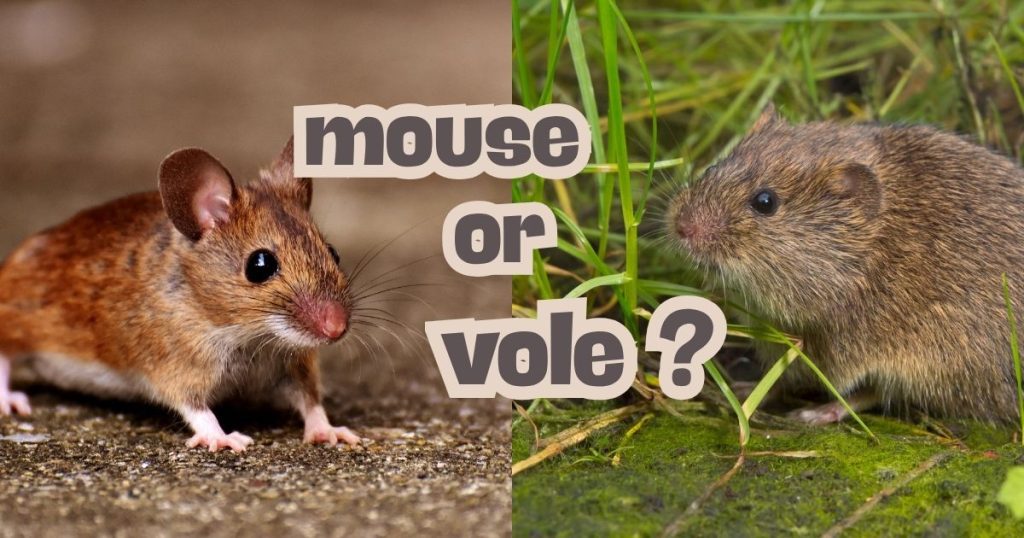
Mouse vs Vole: What’s the Difference?
- Mice and voles are both rodents. However, they belong to different families: mice are part of the Muridae family, while voles belong to the Cricetidae family, which includes hamsters and lemmings.
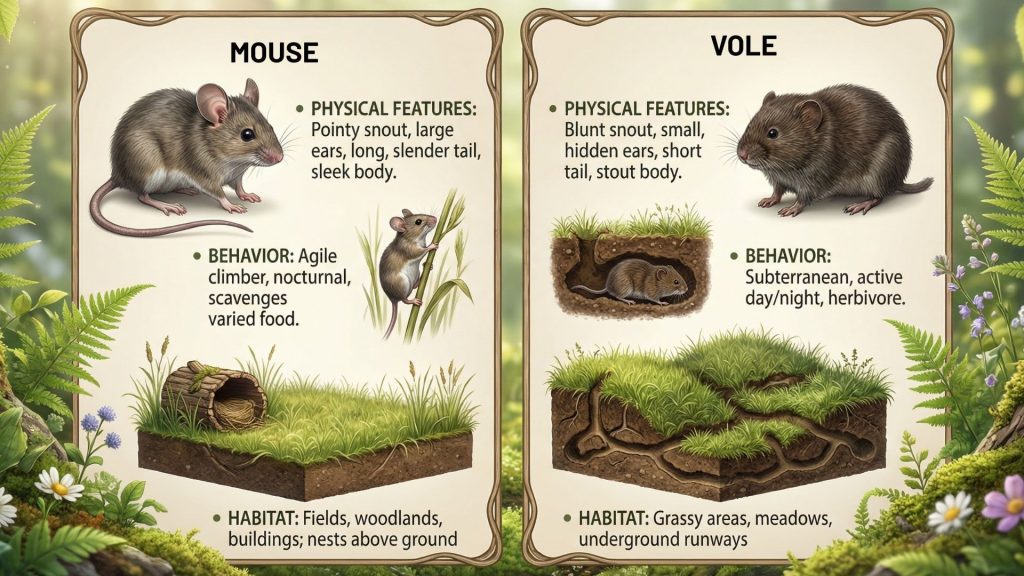
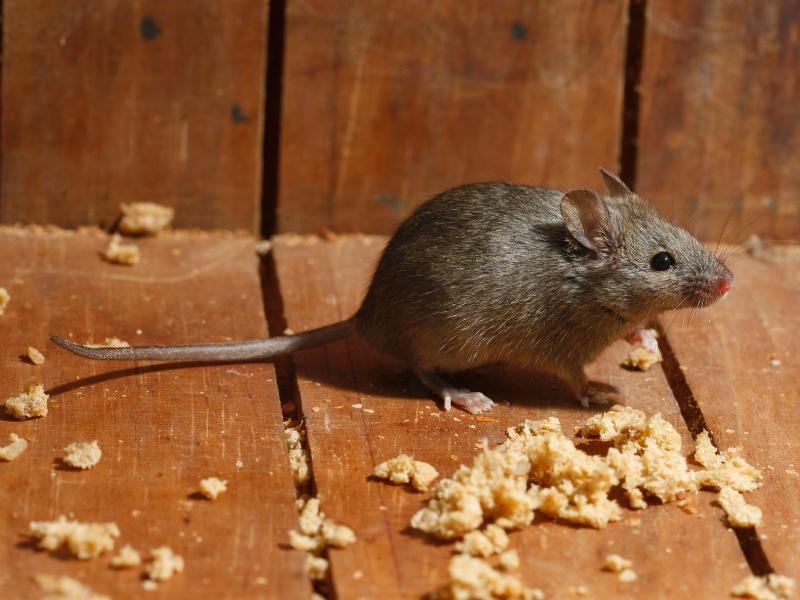
- Mice have long, nearly hairless tails that are often the same length as their bodies. Voles have short tails that are covered in thin hair.
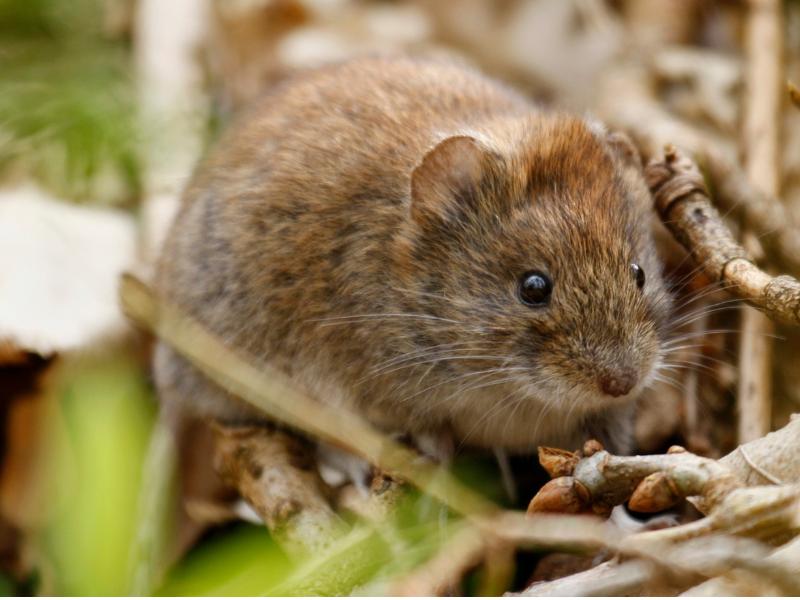
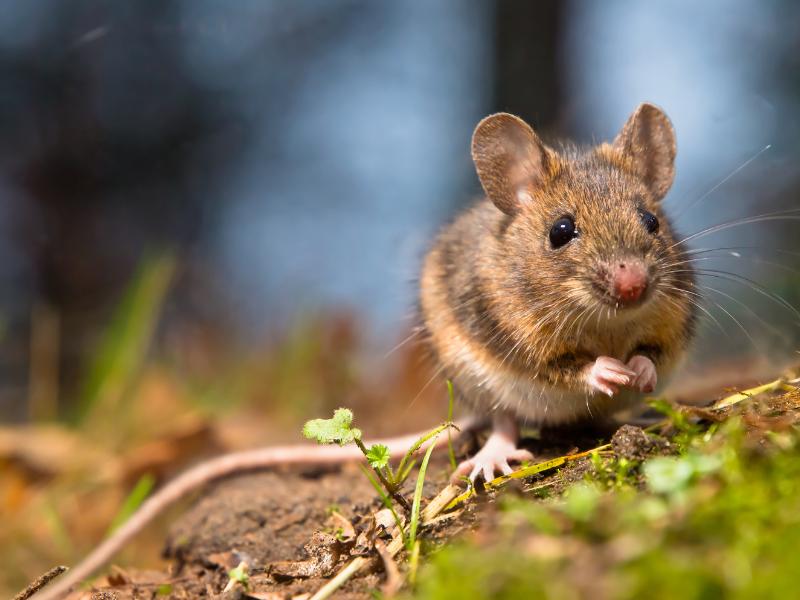
- Mice have large, prominent ears that stick out from their heads. Voles have smaller ears that often blend in with their thick fur.
- Mice are known for their pointed snouts and large, dark eyes, while voles have rounded faces with blunt noses and smaller eyes.
- Mice are agile jumpers and climbers that often enter human homes, while voles are sturdier diggers that prefer living in underground tunnel systems.
Physical Appearance
Size and Build
Most mice usually grow to 3 or 4 inches long and weigh about 1 ounce. A vole is slightly larger and heavier, reaching 5 to 7 inches in length. Voles have a much stockier and rounder body shape compared to the lean mouse.
Special Rodent Teeth
Rodents are a group of mammals characterized by a single pair of continuously growing incisors (front teeth) in both the upper and lower jaws. Both the mouse and the vole are classified as rodents because they must constantly gnaw on vegetation and roots to wear down these specialized teeth, which would otherwise grow too long for them to eat.
Coat and Markings
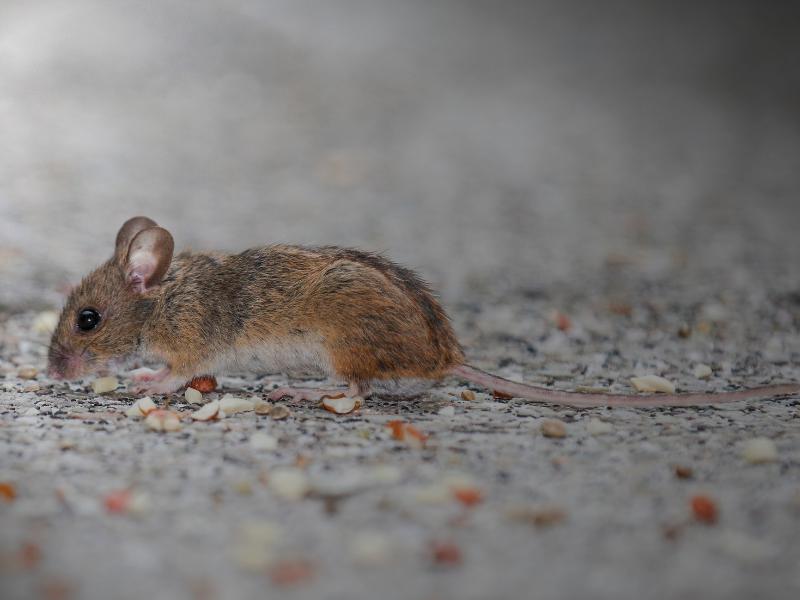
Mice typically have thin fur in shades of grey, light brown, or white. Mice often have a lighter colored underbelly.
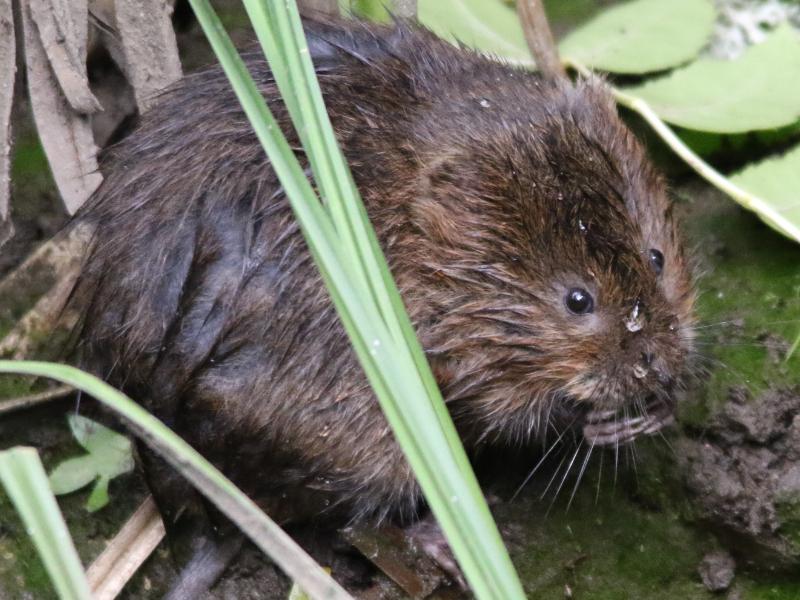
Voles possess much thicker, coarser fur that is usually a dark brown or blackish color. This dense fur helps voles stay warm while living in damp soil or snow.
Tail Features
The tail of a mouse is long, scaly, and almost entirely hairless. In contrast, a vole has a shorter tail that features a light coating of fur.
Habitat and Range
Geographical Range
Mice are found on every continent except Antarctica due to their ability to travel with humans. Voles are primarily located across the northern regions of North America, Europe, and Asia.
Preferred Habitat
Mice thrive in various environments including forests, grasslands, and human structures like houses or barns. Voles prefer open areas with heavy vegetation, such as meadows, prairies, or garden landscapes.
Behavior and Diet
Behavior
Mice are excellent climbers and are very active during the night hours. They use their long tails to balance while scampering along thin branches or wires. Mice also possess a strong sense of curiosity and will readily explore new objects in their environment.
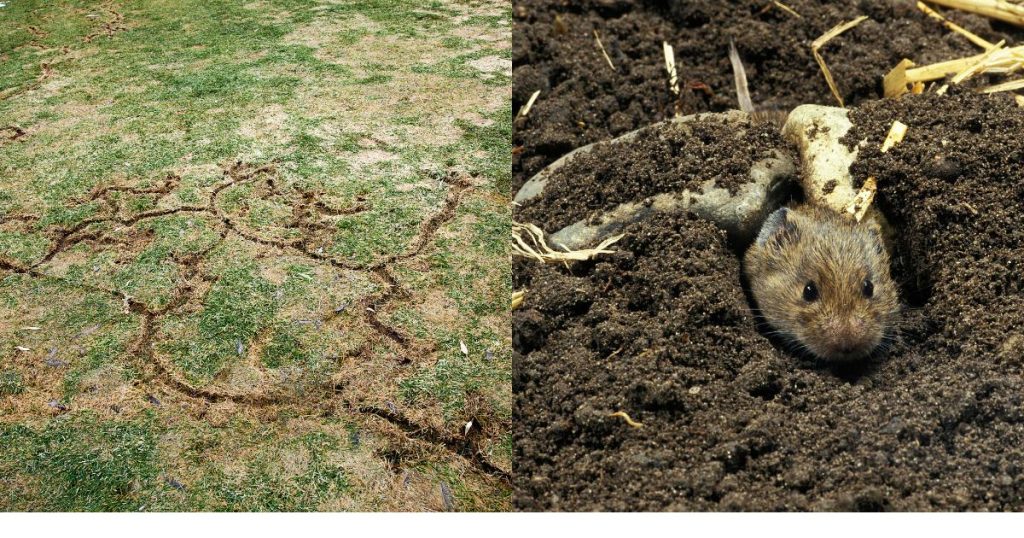
Voles spend most of their time on the ground or digging complex tunnels just below the surface. They create visible “runways” through tall grass to travel safely between their burrow horizontal openings. Unlike mice, voles are very protective of their tunnel systems and rarely stray far from their entrances.
Diet
Mice are omnivores that eat seeds, grains, and occasionally small insects or discarded human food. They are opportunistic feeders that can survive on a wide variety of kitchen scraps if necessary. Their small size allows them to store tiny caches of food in hidden corners for later use.
Voles are primarily herbivores that focus on eating grass, roots, tubers, and the bark of young trees. They can cause significant damage to gardens by chewing through the root systems of healthy plants. During the winter, voles often gnaw on the base of shrubs to reach the nutrient-rich layer under the bark.
Reproduction and Lifespan
Mating and Offspring
A female mouse can have up to ten litters a year with about six pups each. Voles are also fast breeders, often producing five to ten litters annually with similar numbers of young.
Lifespan
In the wild, both mice and voles rarely live longer than one year due to predators. In captivity, a mouse can live for around three years, while a vole typically lives about two years.
Cultural Significance
Mice are famous in global folklore, animated movies, and popular literature. Mice often appear in fables as clever characters who find resourceful solutions to problems.
Voles are less prominent in media but are often studied by scientists for their unique social bonding behaviors. Both animals are recognized as vital parts of the food chain.
Conservation Status
Most common species of mice and voles are currently classified as Least Concern. Their populations remain stable because they reproduce so quickly in diverse environments. A few specific species of mice and voles face threats from habitat loss. For example:
The Salt Marsh Harvest Mouse is a prime example of a mouse facing serious threats. It lives only in the salt marshes of the San Francisco Bay in California. Over 80% of its original wetland habitat has been lost to urban development and changes in water salinity. Because these mice depend on a specific plant called pickleweed for cover, they are highly vulnerable to rising sea levels that drown their marshy homes.
The Florida Salt Marsh Vole is one of the rarest mammals in North America. It is found only in a few small patches of salt marsh along the Gulf Coast of Florida. Because it lives in such a tiny area, a single large hurricane or rising sea levels could potentially cause the entire species to go extinct.
The Amargosa Vole lives in tiny “islands” of bulrush marshes in the middle of the Mojave Desert in California. These marshes are fed by rare desert springs. Human water use and long periods of drought have dried up many of these springs, leaving the voles with very little space to survive.