These free animals in winter coloring pages show how 16 animals meet the cold season, from hibernating in a den to finding food beneath the snow. Each printable pairs a realistic animal scene with simple facts about winter adaptations. Choose individual wordless pages for coloring at home or in the classroom.
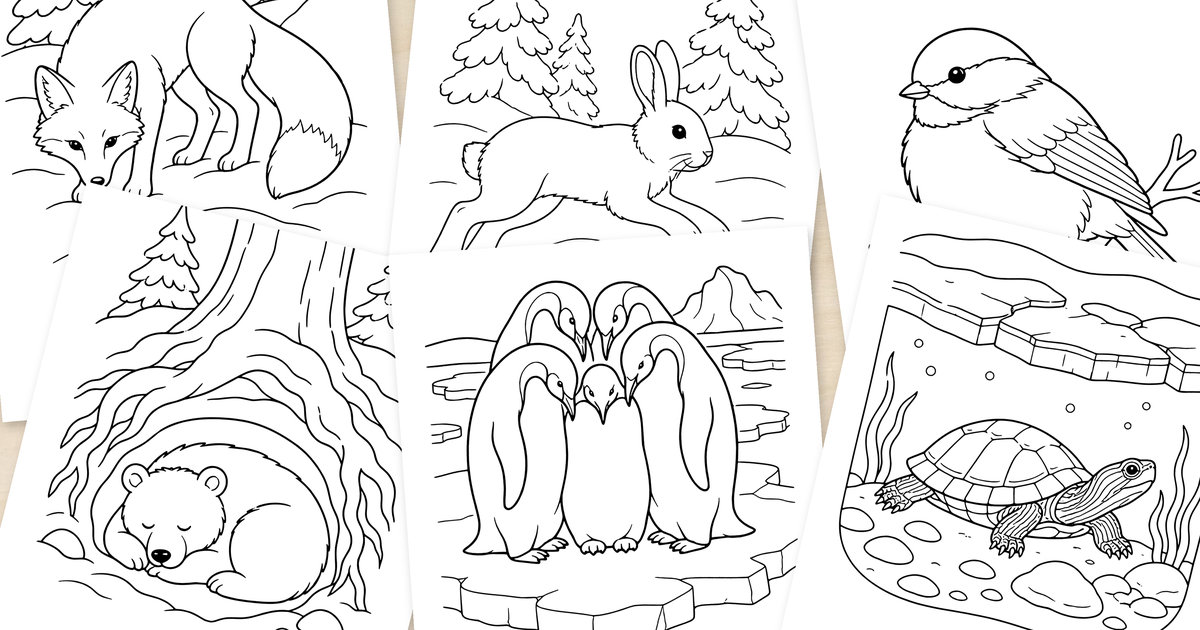
Click any coloring page image below to open its free PDF in a new tab. You can print or save the page from Google Drive, then return here to choose another animal. No email signup is required.
These animals live in different habitats around the world. The pages explore hibernation, migration, food storage, winter coats, and huddling; they do not show animals that all share one home.
Black Bear in Winter Coloring Page
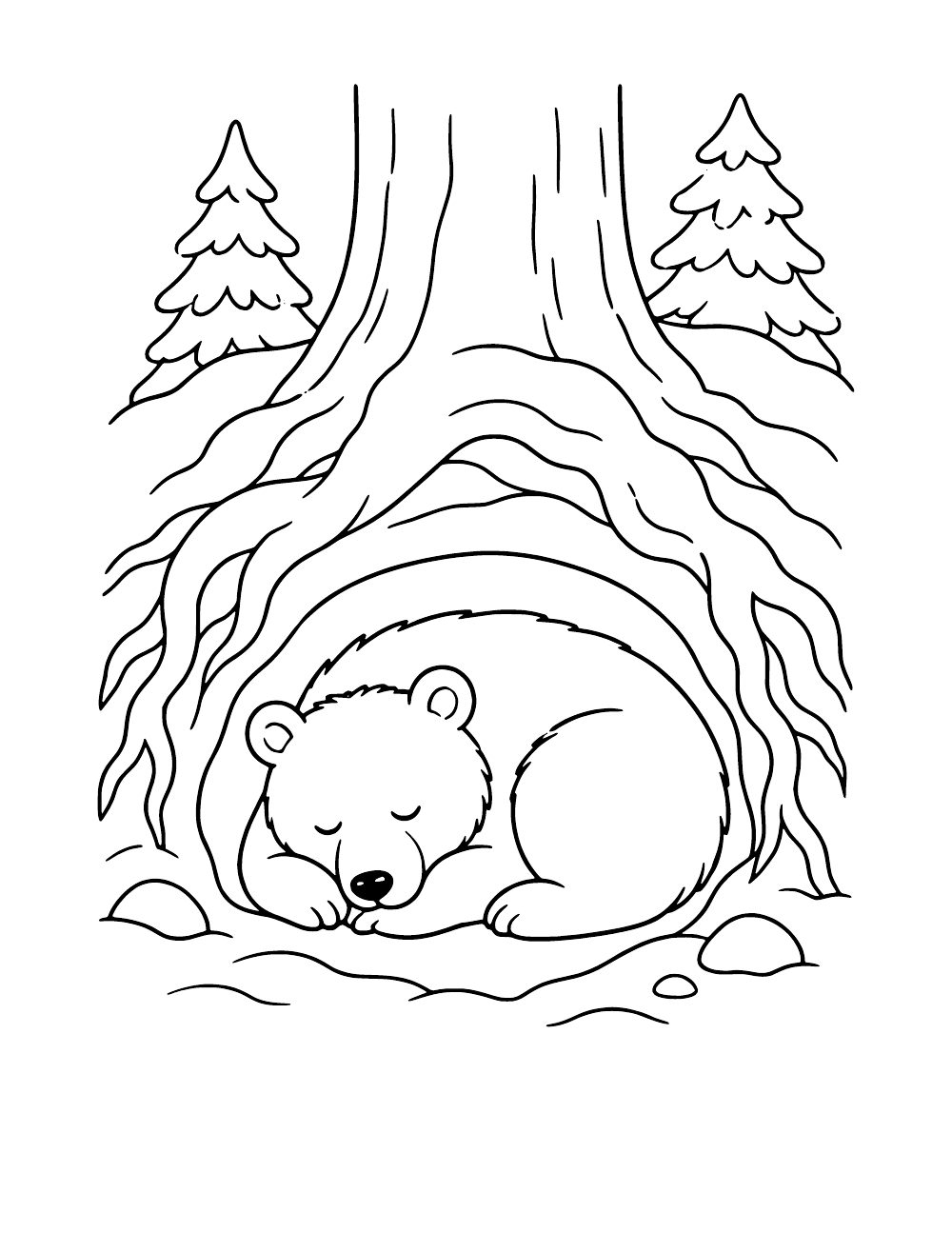
A sheltered den gives a black bear a place to spend the cold months when food is harder to find. Black bears may make dens beneath tree roots, inside hollow trees, or among rocks. In this coloring page, the bear is curled beneath a tree while snow covers the ground outside.
Many black bears hibernate during winter, but the length of their winter rest depends on the climate and available food. Bears in colder places may remain in their dens much longer than bears in warmer areas. A den is more than a sleeping place: some mother bears give birth there during winter, and their cubs stay with them until they are ready to emerge.
More information: National Park Service: Black Bears.
Groundhog in Winter Coloring Page
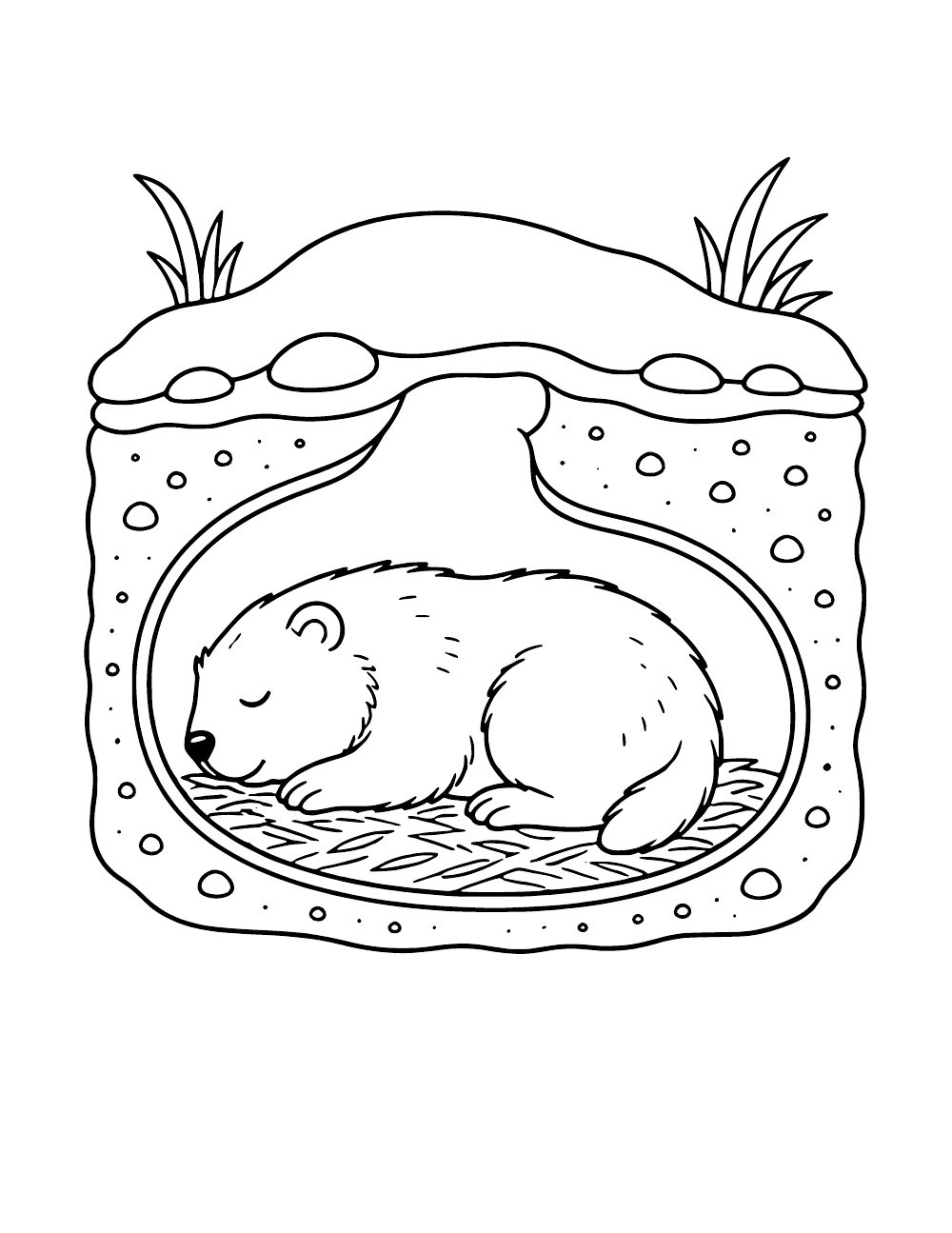
A groundhog, also called a woodchuck, spends winter hibernating underground. Before cold weather arrives, it eats enough to build up body fat. During hibernation, its body temperature drops, and its heartbeat and breathing slow. These changes help it use less energy when fresh plants are difficult to find.
The groundhog in this coloring page rests in a chamber beneath the soil. Its burrow provides shelter from the weather above ground. Groundhogs may use a separate burrow for winter, with a sleeping chamber lined with plant material. The snow and quiet ground above do not tell the whole story: an animal can be hidden below, living on energy it stored before winter began.
More information: Virginia Tech: Woodchuck Biology and Burrows.
Little Brown Bat in Winter Coloring Page
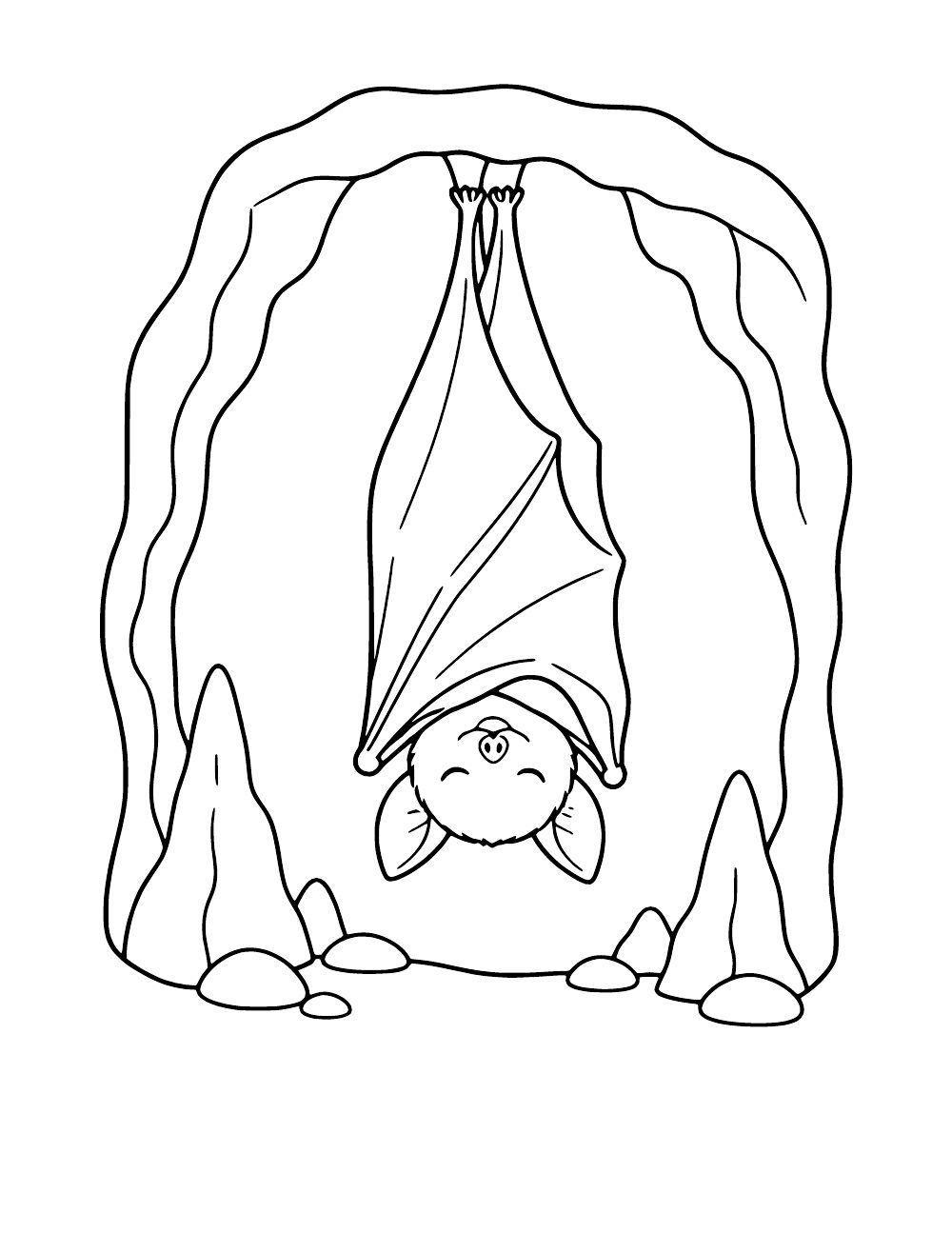
Little brown bats eat insects, but winter brings fewer flying insects for them to catch. Hibernation helps them survive this shortage. In a cool, sheltered place such as a cave, a bat's body temperature drops and it uses energy much more slowly. Stored body fat helps it make it through the winter.
This coloring page shows a little brown bat hanging upside down with its wings folded around its body. The cave is a winter roost, a place where the bat can rest. Hibernation is different from an ordinary night's sleep because the animal's body slows down so much. Waking repeatedly uses precious energy, so a quiet winter resting place matters to a hibernating bat.
More information: Texas Parks and Wildlife: Sleep and Hibernation.
Wood Frog in Winter Coloring Page
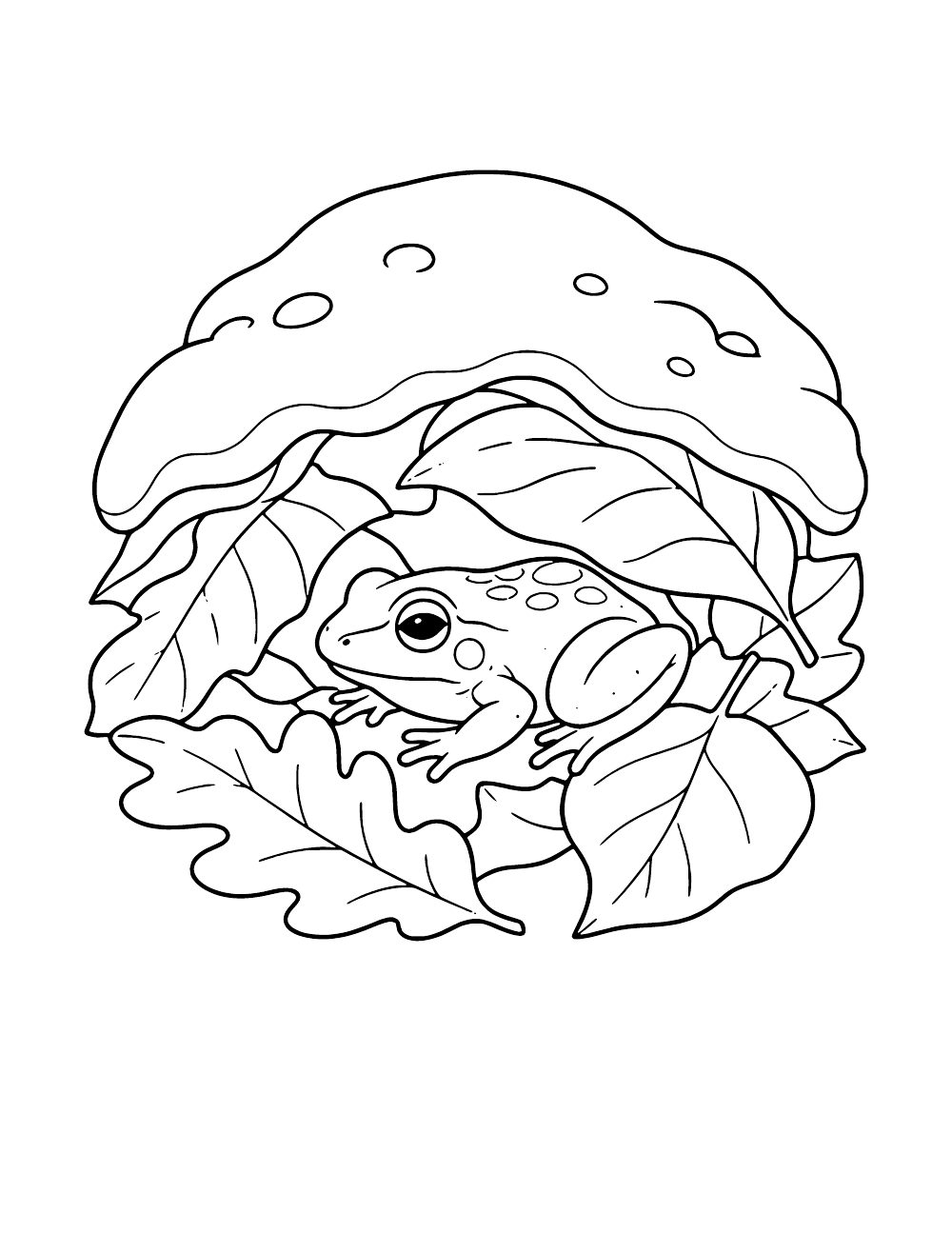
A wood frog spends winter on land, tucked into fallen leaves on the forest floor. This leaf litter provides shelter, but it does not keep out all the cold. Wood frogs have an unusual adaptation: they can survive while some of the liquid in their bodies freezes. Substances in their bodies help protect their cells from freezing damage.
During this winter rest, a wood frog can stop breathing and its heart can stop beating. When conditions warm, it thaws and becomes active again. The frog in this coloring page is sheltered beneath a layer of leaves and snow. Look for the patch behind its eye, a useful feature for recognizing a wood frog when it returns to activity in spring.
More information: Minnesota DNR: Wood Frog.
Painted Turtle in Winter Coloring Page
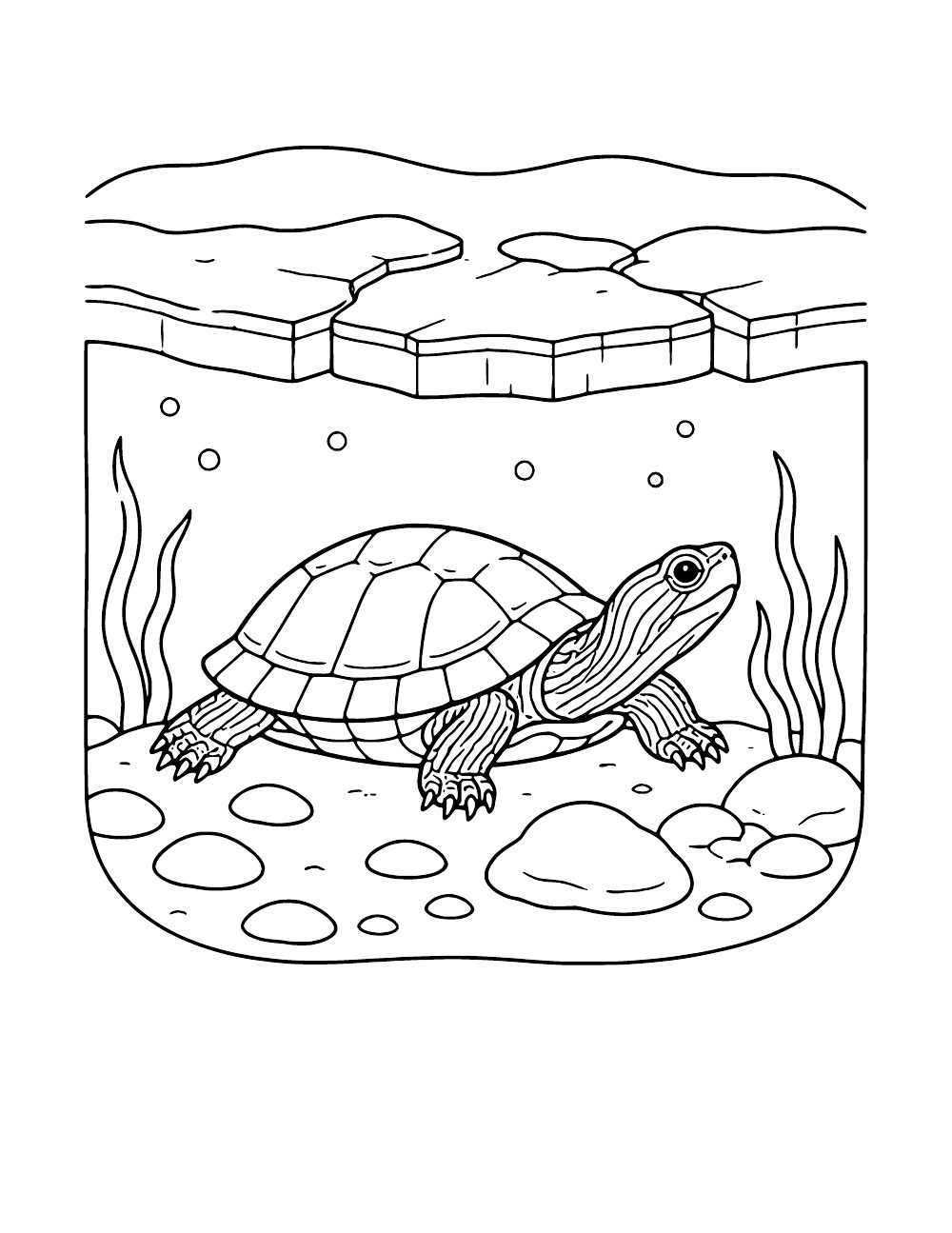
An adult painted turtle can spend winter underwater, even when ice covers the pond. As the water cools, its body processes slow down. This winter state is called brumation. The turtle needs much less energy and can remain underwater for months without eating or coming to the surface for air.
The coloring page shows a painted turtle near the bottom of a pond, below the ice. Some painted turtles settle into mud during winter. Their winter shelter differs from the sunny logs where they often rest during warmer weather. Young painted turtles can have a different winter home: those that hatch late in the season may remain in their underground nests until spring.
More information: University of Minnesota Season Watch: Painted Turtle.
Red Squirrel in Winter Coloring Page
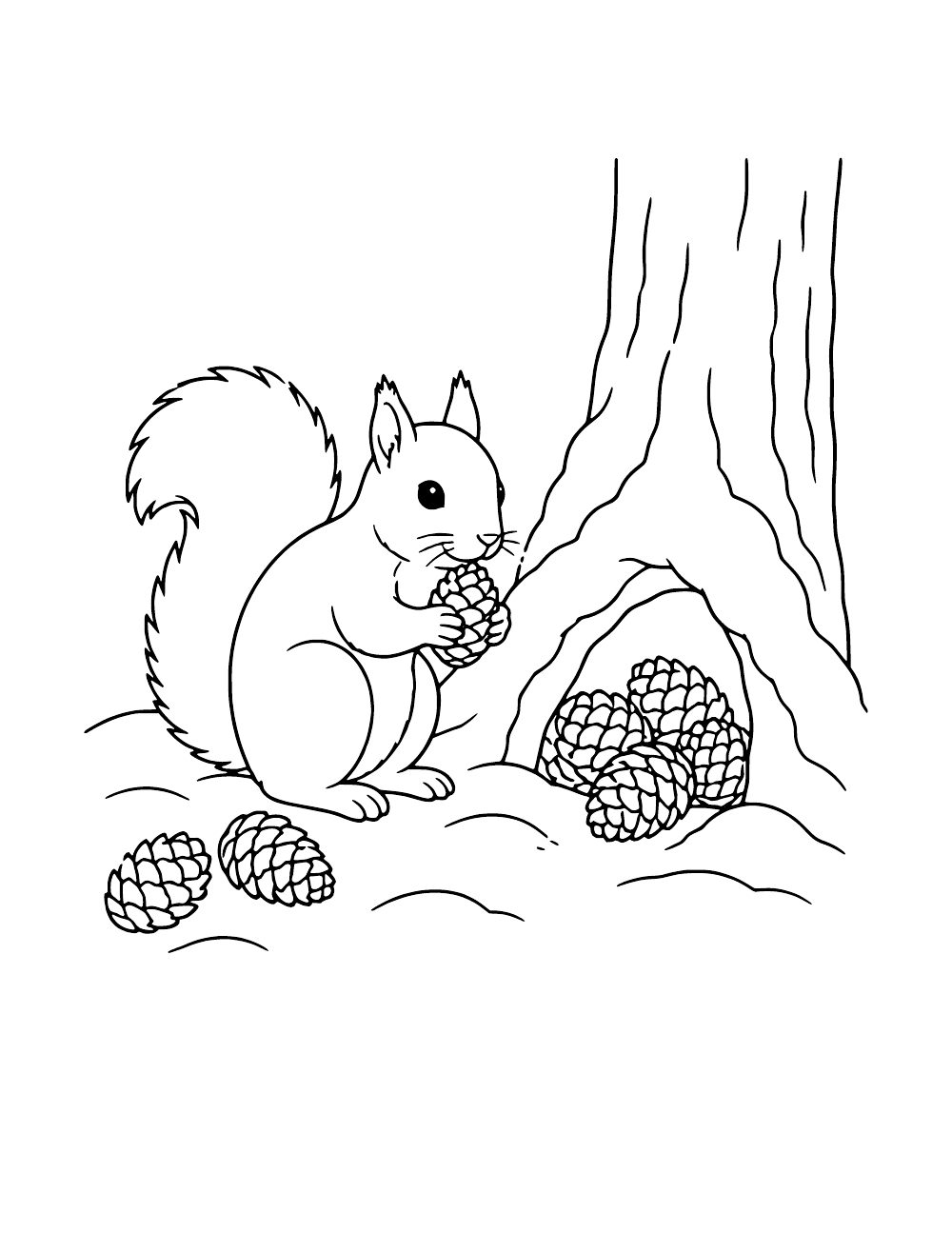
An American red squirrel stays active during winter. Before food becomes scarce, it gathers and hides food to eat later. A stored supply of food is called a cache. Cones are especially useful because they hold seeds that a squirrel can uncover and eat.
In this coloring page, the squirrel holds a cone beside a tree, with more cones stored nearby. Red squirrels often return to the same feeding places. Piles of discarded cone scales can build up beneath trees as the squirrels remove the seeds. These piles are called middens. Gathering food ahead of time gives a red squirrel a way to keep feeding during the cold months instead of spending the season in hibernation.
More information: Maryland DNR: Red Squirrel.
Beaver in Winter Coloring Page
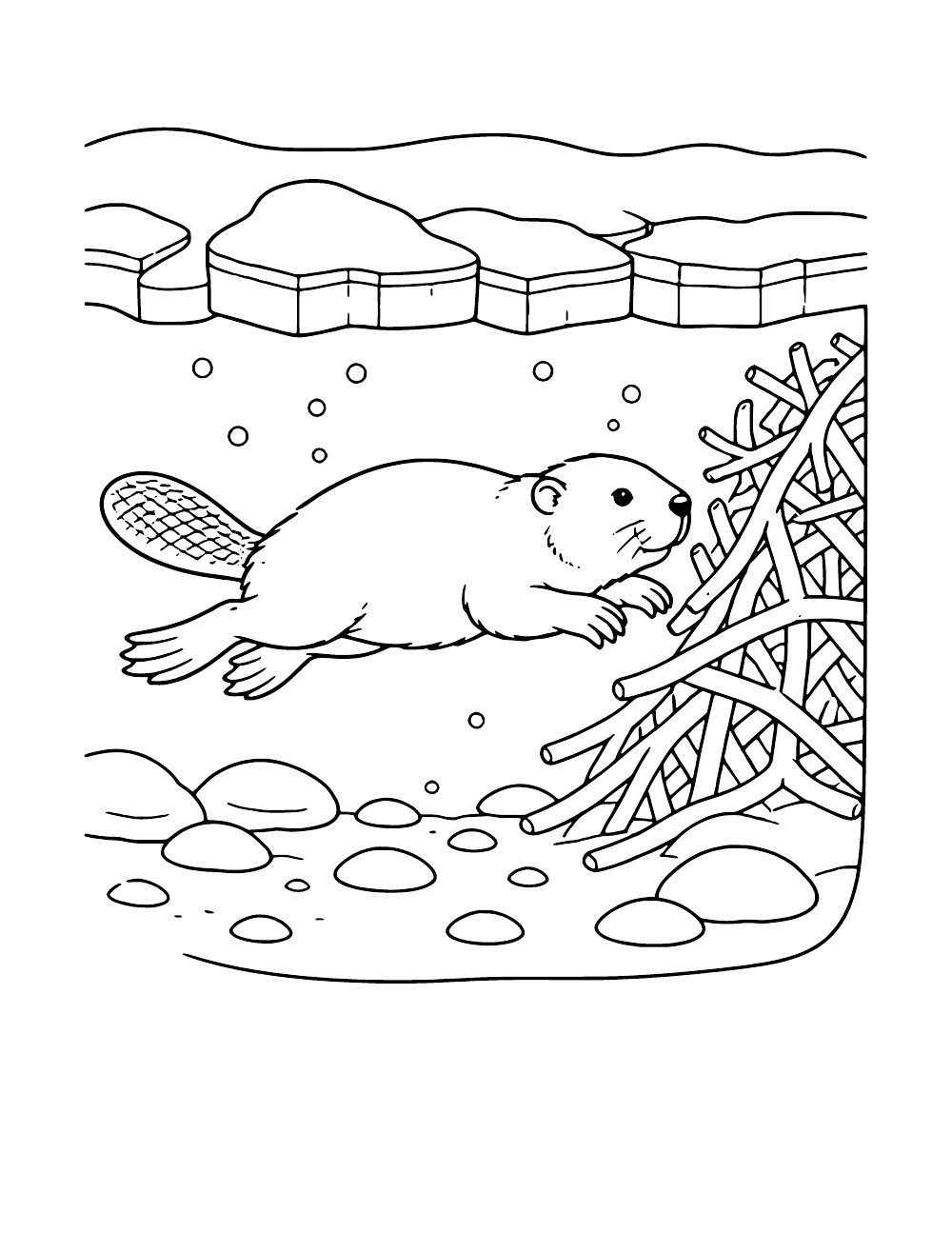
A beaver prepares for winter by storing branches underwater. This food cache stays within reach even after ice forms on the pond. Beavers eat the inner bark of branches, along with twigs and other plant foods. Keeping a supply near their home helps them find food when the surface is frozen.
The beaver in this coloring page swims below the ice toward a pile of branches. A beaver lodge has an underwater entrance, so the animal can travel between its home and its winter food supply without walking across the ice. Its broad tail helps it steer, and its webbed back feet help it swim. Winter preparation and a home connected to the water help beavers remain active in the cold.
More information: National Park Service: Beaver Natural History.
Snowshoe Hare in Winter Coloring Page
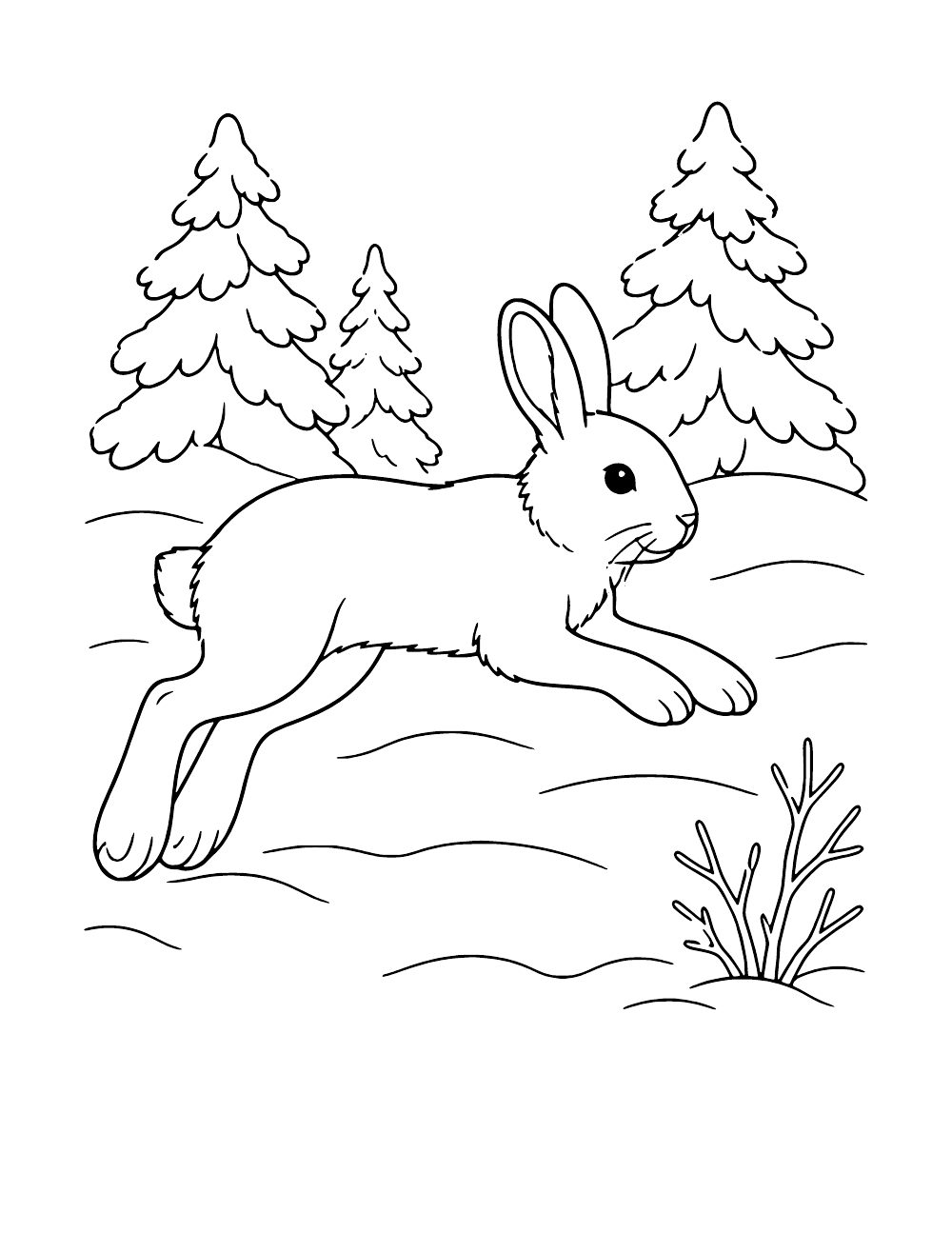
A snowshoe hare has large back feet that spread its weight across the snow. These wide feet help it move over snowy ground without sinking as deeply. In many snowy parts of its range, its coat also changes from brown in summer to white in winter. White fur helps the hare blend into the snow, a kind of camouflage.
The hare in this coloring page is bounding through a snowy forest. It still needs to find food throughout winter. When green leaves and grasses are scarce, snowshoe hares eat woody stems and bark from shrubs. Their winter coat, broad feet, and changing food choices help them continue living in the forest through the cold season.
More information: National Park Service: Snowshoe Hare; National Park Service: Winter Adaptations.
Red Fox in Winter Coloring Page
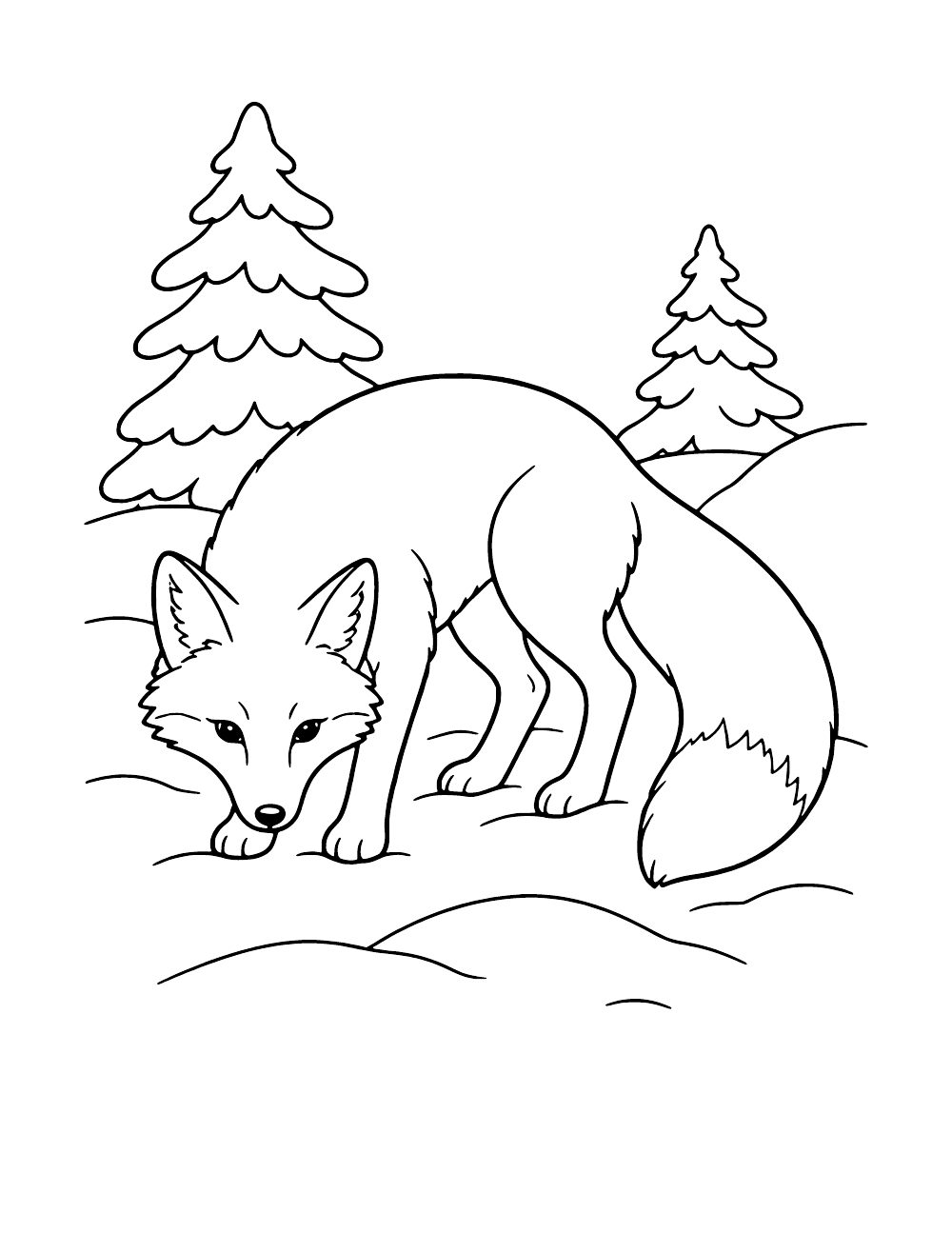
A red fox keeps hunting during winter, even when snow covers the ground. Small animals such as mice and voles may travel in tunnels beneath the snow. A fox's sharp hearing helps it notice their movements, though the animals themselves are hidden from view.
The fox in this coloring page has lowered its head toward the snow as it searches for food. A hunting fox may pause to listen before leaping and diving into the snow to catch its prey. It also grows a thicker winter coat that helps it cope with cold weather. The snow changes how a fox finds a meal, but it does not stop the fox from staying active.
More information: National Park Service: Red Fox.
Elk in Winter Coloring Page
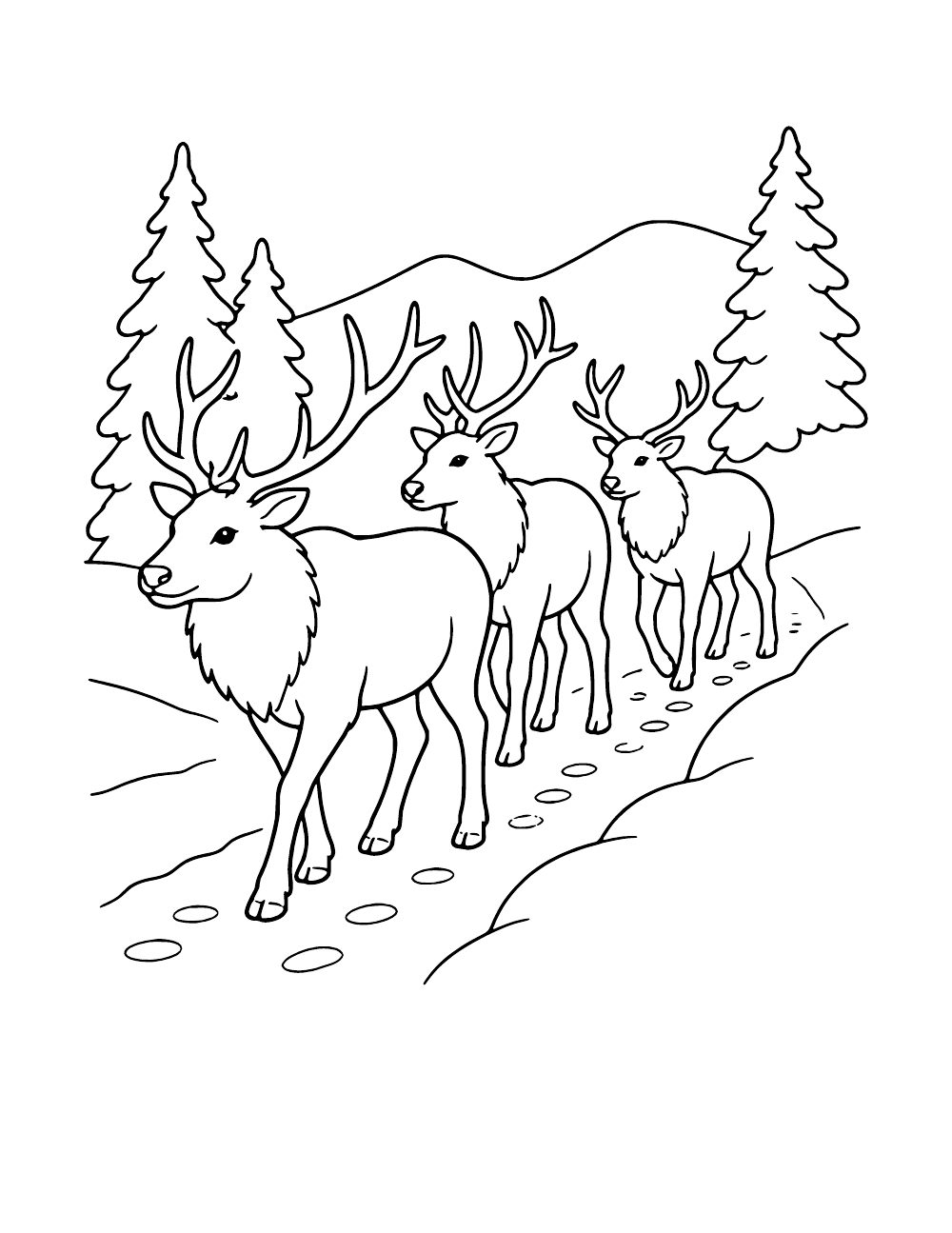
Walking through deep snow takes energy. Elk sometimes follow one another along the same trail, using a path already pressed into the snow. The elk in this coloring page are moving in a line, with tracks showing where the herd has walked.
Finding food is another winter challenge. Elk eat plants, including grasses, shrubs, and bark. In places such as Yellowstone, many herds move from higher summer ranges to lower ground for winter. This seasonal movement helps them reach winter feeding areas. The antlers in the picture identify male elk, called bulls. Bulls usually keep their antlers through winter and shed them in spring, before growing a new set.
More information: National Park Service: Elk; National Park Service: Winter Adaptations.
Bison in Winter Coloring Page
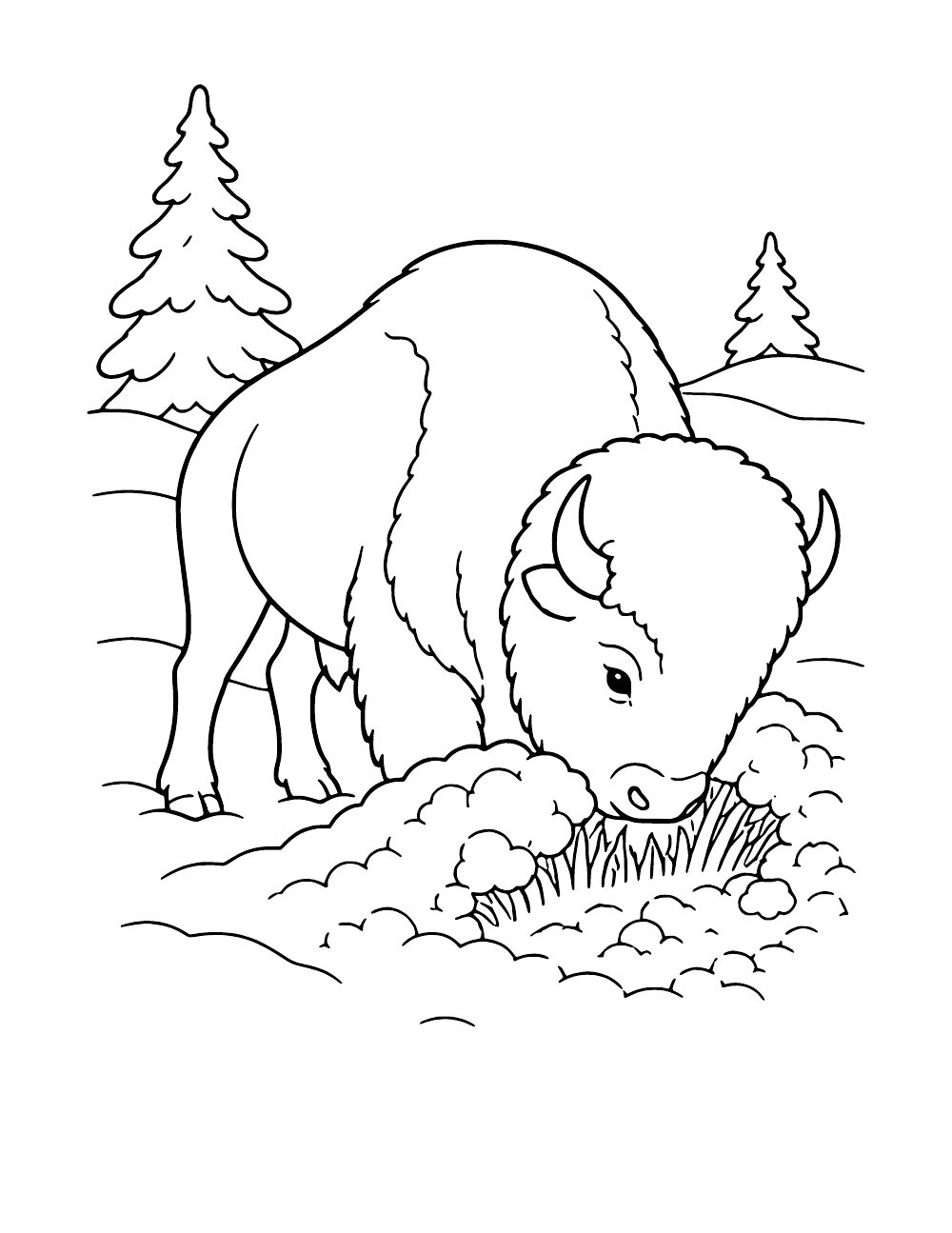
American bison stay active through winter. When snow covers their food, they sweep their large heads from side to side to uncover grasses and other plants. Searching for food is called foraging. The hump above a bison’s shoulders contains strong muscles that help it move its heavy head. Together, these body features help a bison reach food hidden beneath the snow.
A bison’s thick winter coat and layers of fat help keep its body warm. Unlike animals that spend winter hibernating, bison continue to move around and feed. In this coloring page, the bison has lowered its head toward a patch of grass. Its shaggy front half and large shoulder hump show some of the features that help this animal survive a cold, snowy winter.
More information: National Park Service: Bison Ecology; National Park Service: Winter Adaptations.
Black-capped Chickadee in Winter Coloring Page
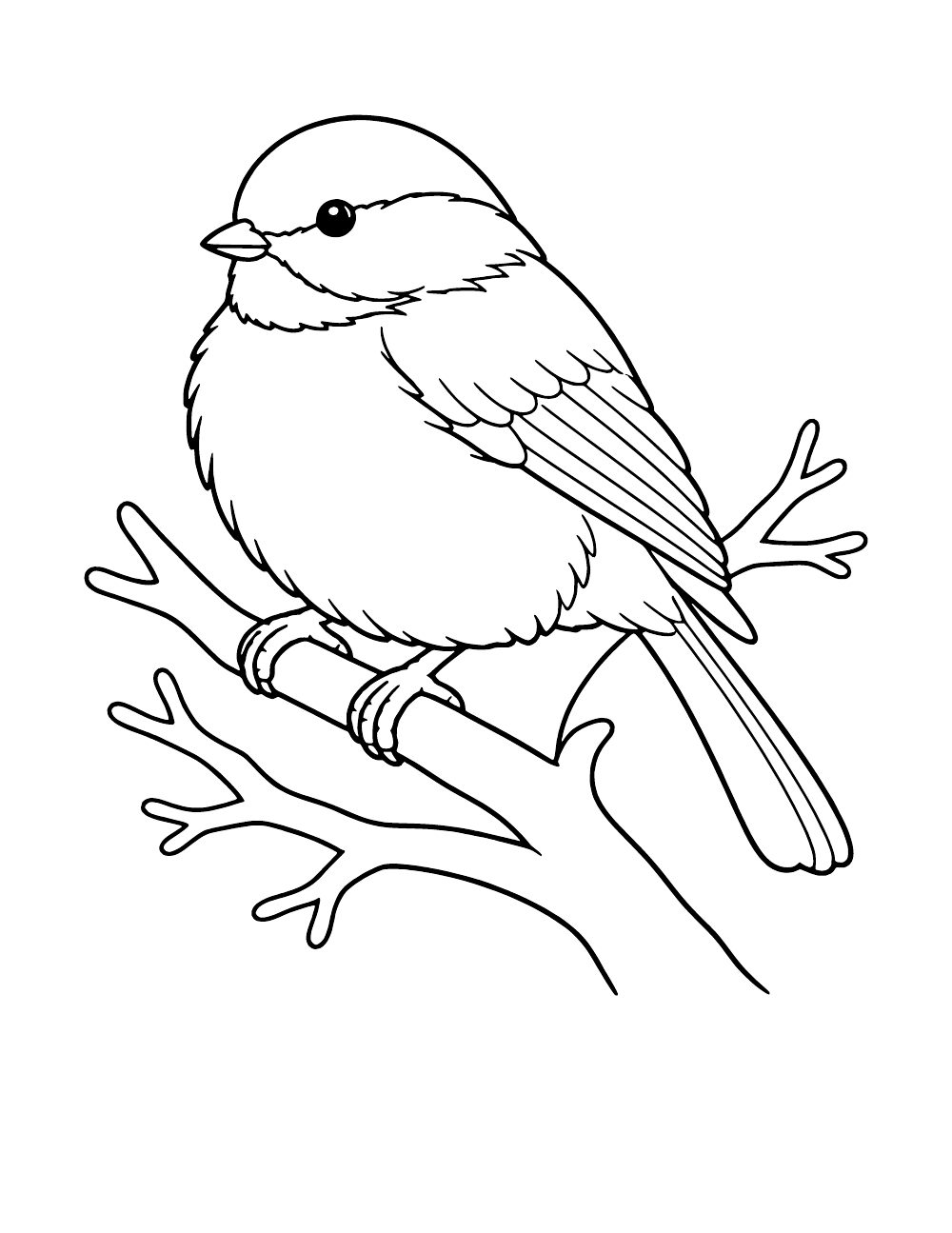
A black-capped chickadee may look round and fluffy on a cold day. Its feathers trap a layer of air close to its body, helping it hold in warmth. This insulation helps such a small bird cope with chilly winter weather while it continues searching for food.
Winter meals include seeds, berries, insects, and spiders. Chickadees also hide small pieces of food to eat later, tucking them into places such as bark crevices. Each stored item gives the bird another possible meal when food is harder to find. The chickadee in this coloring page rests on a bare branch. Its small beak and rounded body offer a close look at a familiar bird that remains active through winter.
More information: Cornell Lab of Ornithology: Black-capped Chickadee; US Forest Service: Chickadee Food Caching; National Park Service: Winter Adaptations.
Canada Geese in Winter Coloring Page
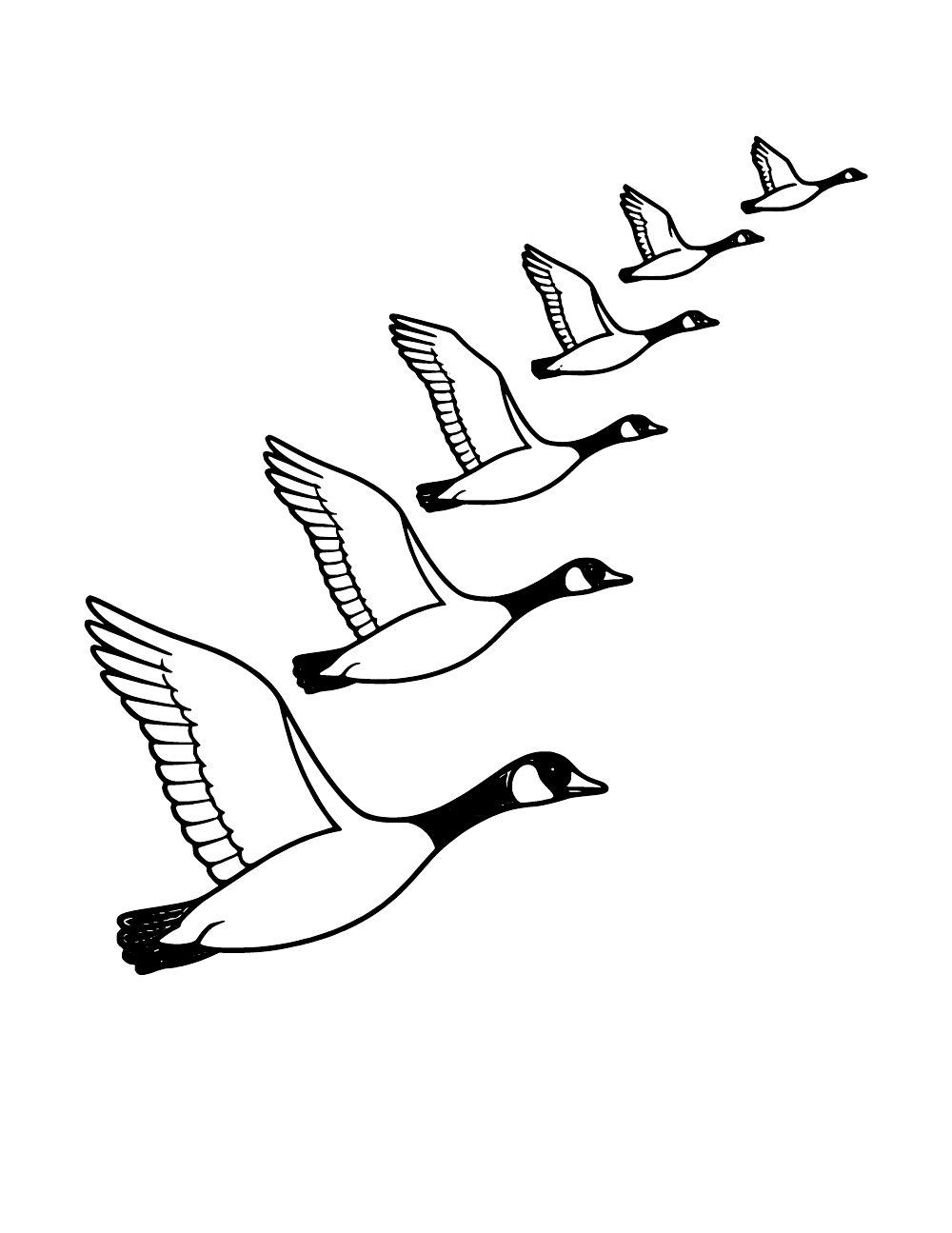
Many Canada geese travel between breeding areas and wintering areas as the seasons change. This seasonal journey is called migration. Flocks flying overhead are a familiar sign of fall, when many geese move toward places where they can find food and open water through winter.
The geese in this coloring page are flying together in formation. Canada geese often form a V in flight, and their dark heads and pale cheek patches help identify them. Not every Canada goose makes a long journey south: some populations stay in the same region through winter. Migration is one way geese respond to seasonal changes, while other geese live where suitable winter conditions are already available.
More information: Audubon: Canada Goose; Environment and Climate Change Canada: Goose Populations.
Monarch Butterflies in Winter Coloring Page
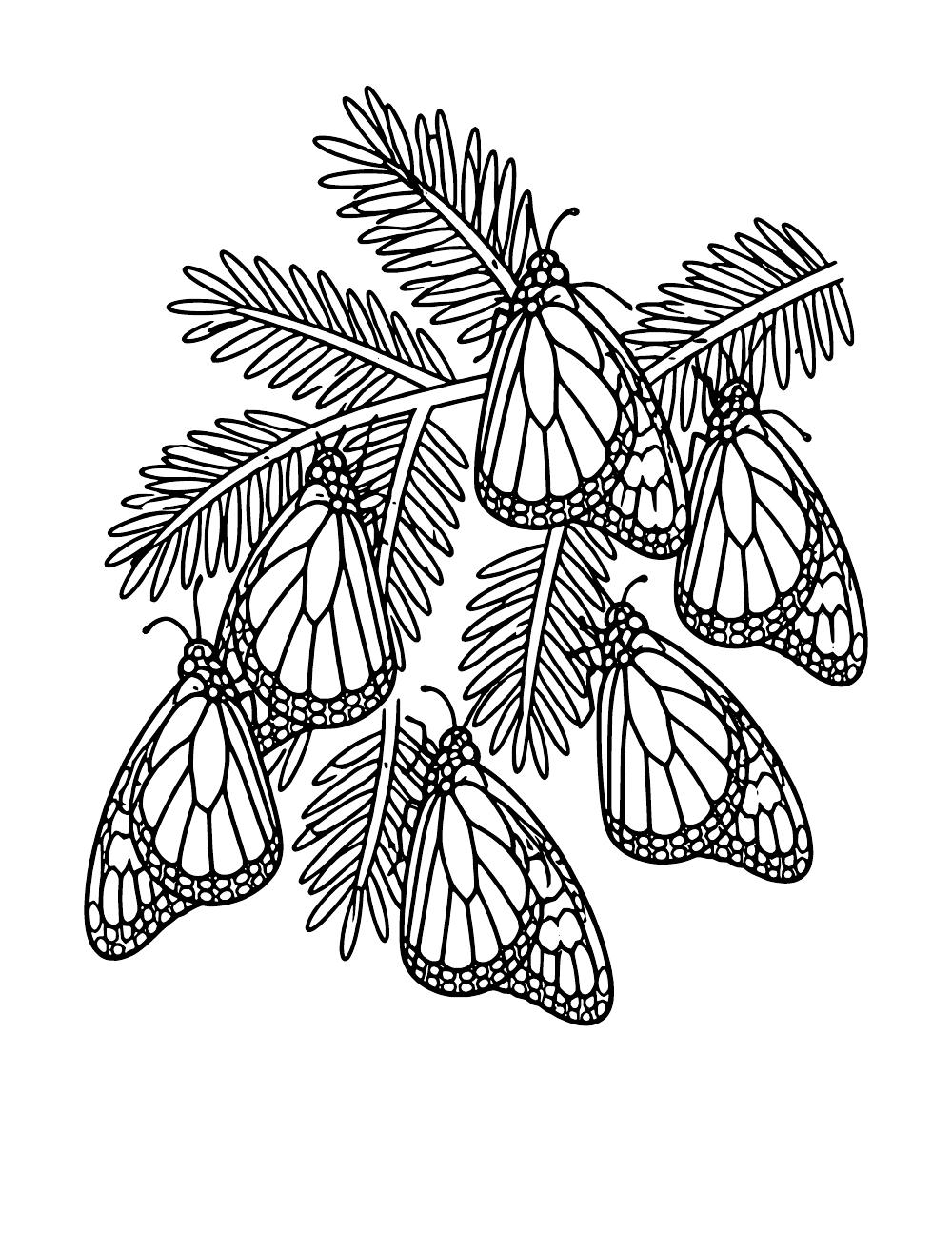
Some monarch butterflies make a long journey to a winter resting place. The eastern migratory population travels to mountain forests in central Mexico, where the butterflies gather on oyamel fir trees. Many western monarchs spend winter along the California coast instead. These are different winter destinations for the same butterfly species.
This coloring page shows monarchs clustered on evergreen branches. At their winter sites, monarchs spend much of their time resting together. Staying fairly inactive helps them conserve stored energy until the season changes. They may move and fly on warmer days. For these butterflies, surviving winter involves both migration and finding a sheltered place to rest after the journey.
More information: National Park Service: Monarch Migration; Monarch Joint Venture: Winter Clusters.
Emperor Penguins in Winter Coloring Page
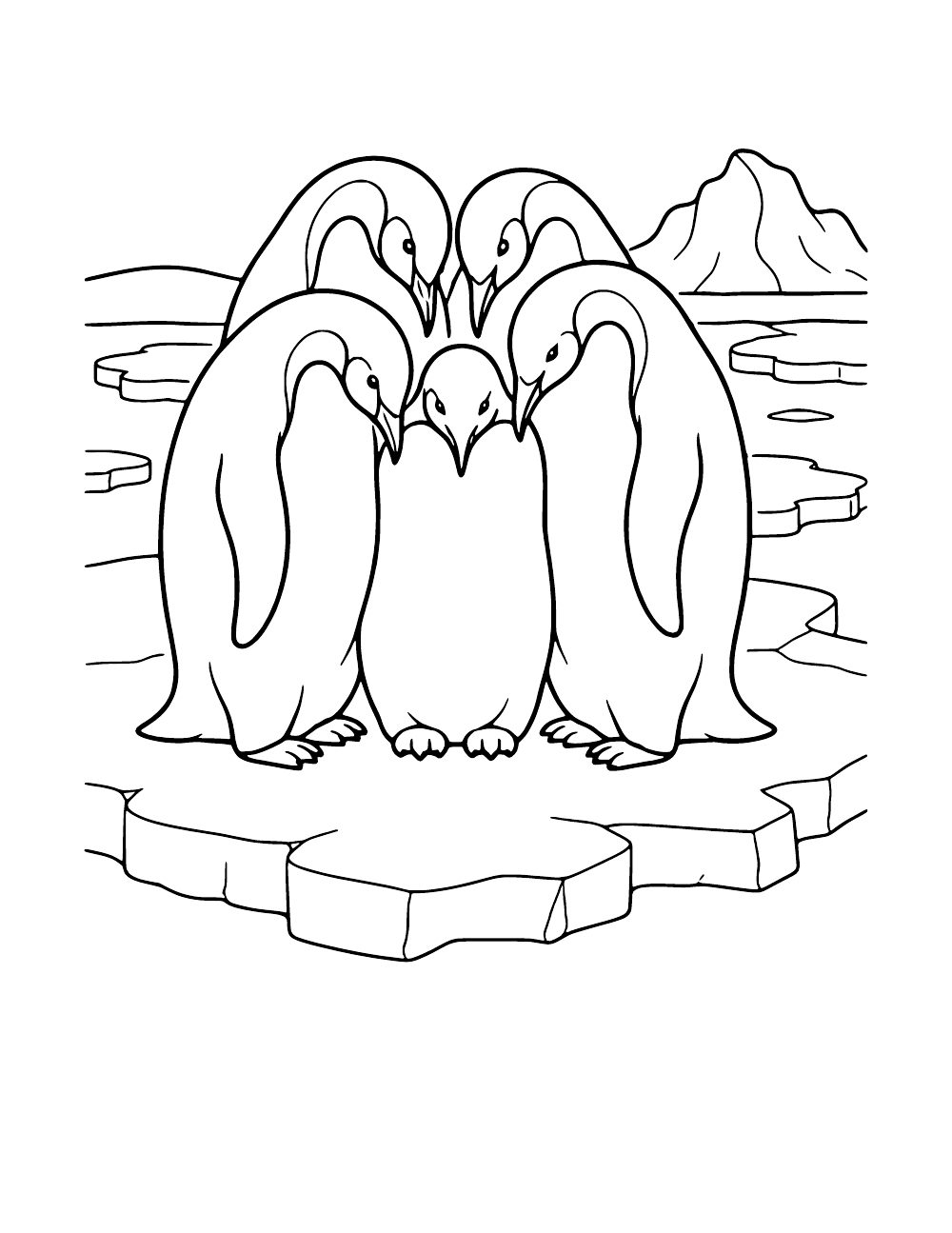
Emperor penguins live in Antarctica, far from the northern forests shown in many of these coloring pages. Their winter is part of the Southern Hemisphere's seasonal cycle. When freezing winds blow across the ice, penguins can gather closely together in a huddle to reduce heat loss.
The penguins in this coloring page stand side by side on the ice. In a real winter huddle, birds gradually change positions, moving between the colder outside and the warmer center. This shifting group helps share the shelter from the wind. Male emperor penguins use huddling during the long winter period when they keep their eggs warm. Their behavior shows how gathering together can help animals survive severe cold.
More information: Australian Antarctic Program: Emperor Penguins.
Deer Mice in Winter Coloring Page
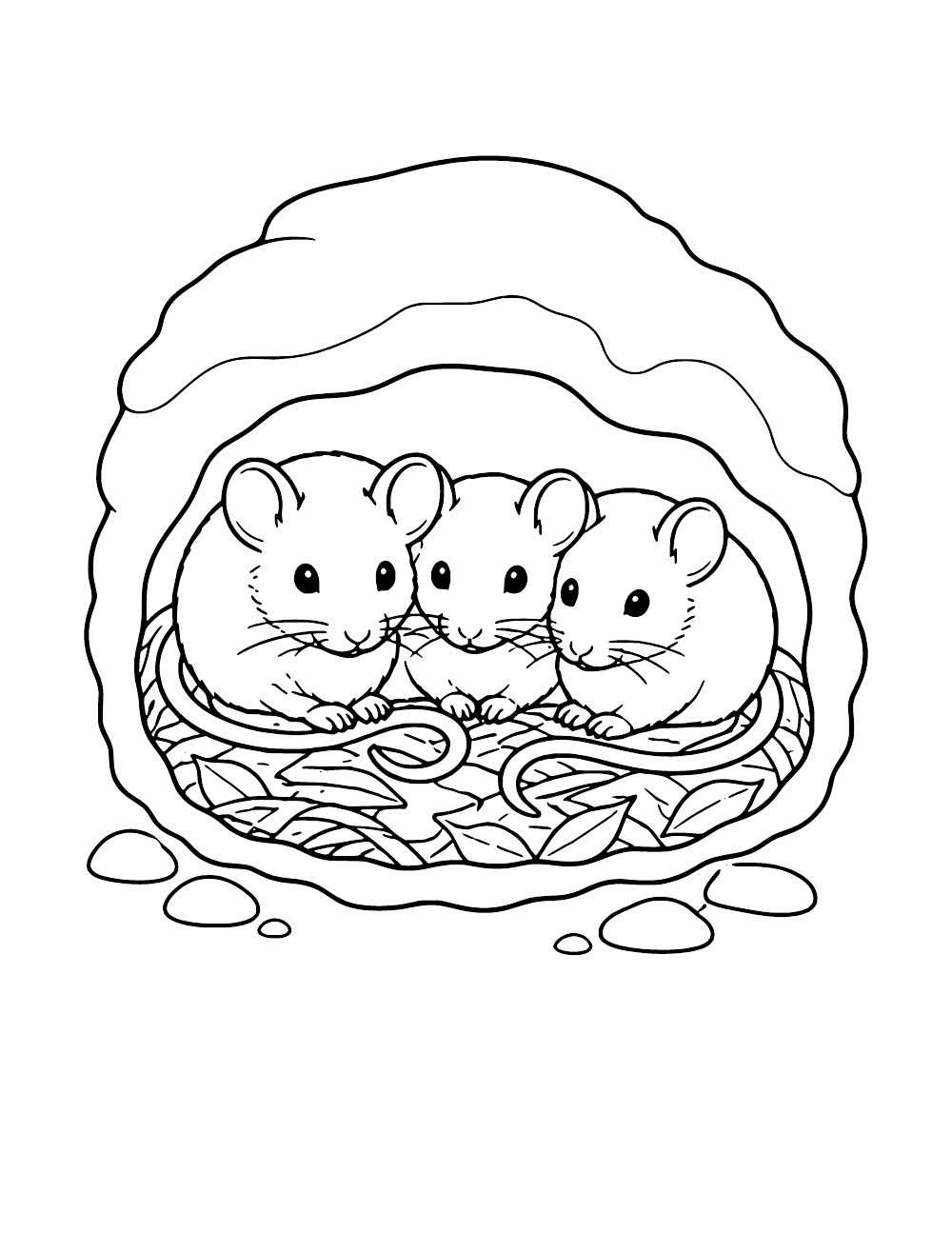
A deer mouse is small, but it has ways to stay warm during winter. Deer mice may gather in a shared nest and huddle together. By resting close to one another, the mice help conserve body heat. A sheltered nest gives them another layer of protection from the cold.
The three mice in this coloring page are tucked into nesting material beneath the snow. Small mammals can use the space under snow for shelter and travel. Snow helps insulate this space from colder air above. A shared nest offers these mice a very different winter shelter from the den of a hibernating groundhog.
More information: National Park Service: Winter Adaptations.
Printing and Using the Coloring Pages
Choose an image to open its individual PDF in a new tab. Use the print or download control in Google Drive to print now or save a copy for later. The files are shared for viewing; you do not need to request editing access.
The coloring pages are designed for US Letter paper (8.5 × 11 inches). Print in portrait orientation. Choose “Fit” if your printer cuts off any artwork, or when using A4 paper. Plain white paper works well with crayons or colored pencils.
You may print these coloring pages for personal and classroom use.
More Winter Printables and Activities
Find more designs in our free winter coloring pages, explore seasonal vocabulary with our winter words, or browse winter activities for preschool.