Plants in the tundra biome have to deal with some of the harshest conditions on Earth. With long, cold winters and short, intense summers, these plants have adapted in unique ways to survive. In this article, we’ll explore some of the fascinating adaptations that tundra plants have developed to thrive in this challenging environment.
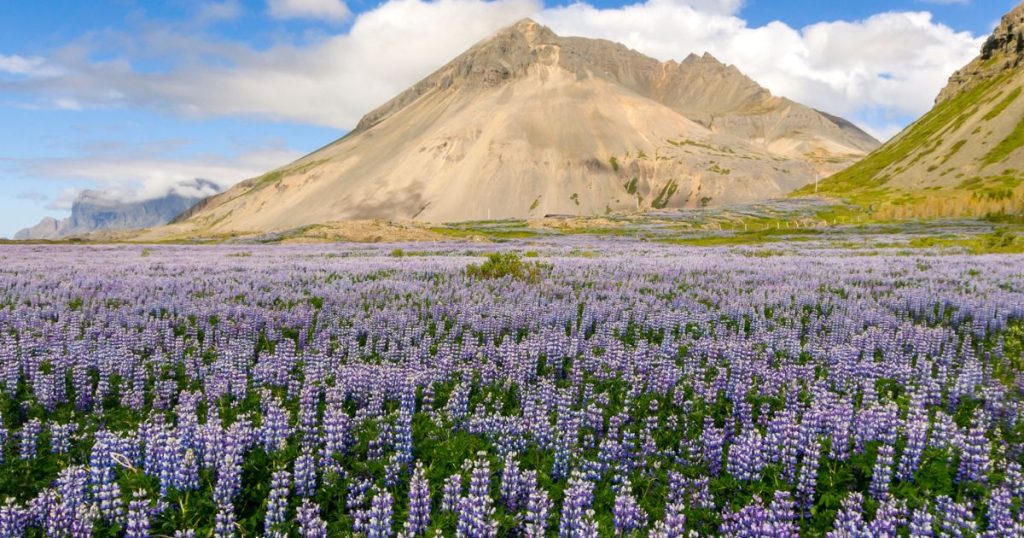
One of the most important adaptations that tundra plants have developed is the ability to grow low to the ground. This helps to protect them from the harsh winds that can sweep across the tundra, which can easily uproot taller plants. Additionally, growing low to the ground helps to conserve heat, as the ground is often warmer than the air above it. This is especially important in the winter months, when temperatures can drop to -40°F or lower.
Another adaptation that tundra plants have developed is the ability to reproduce quickly. Because the growing season in the tundra is so short, often lasting only a few weeks, plants need to be able to produce seeds and spread quickly in order to survive. Some tundra plants, such as the Arctic poppy, are able to flower and produce seeds in just a few days, allowing them to take advantage of the brief growing season and ensure their survival for another year.

Books About the Tundra Biome
Plants of the Tundra Biome
Arctic Blueberry (Vaccinium uliginosum)

The Arctic Blueberry is a low-growing shrub, thriving in the acidic soils of the tundra. It’s adapted to survive in cold climates by staying close to the ground, reducing wind exposure. Its berries are a crucial food source for local wildlife.
- Average Size: 10-20 cm tall.
- Habitat: Moist tundra, open coniferous forests.
- Endangered: Not endangered.
- Classification: Ericaceae (Heath family).
Arctic Campion (Silene involucrata)

This flowering plant is known for its resilience to cold and ability to grow in nutrient-poor soils. It has deep roots for accessing water and nutrients and a hairy surface to protect from cold.
- Average Size: 15-30 cm tall.
- Habitat: Dry, rocky tundra areas.
- Endangered: Not endangered.
- Classification: Caryophyllaceae (Pink family).
Arctic Cotton Grass (Eriophorum)

Known for its distinctive cotton-like tufts, Arctic Cotton Grass is adapted to the wet conditions of the tundra. Its long roots help stabilize the soggy soil, and its fluffy seeds are well-suited for wind dispersal.
- Average Size: 20-60 cm tall.
- Habitat: Wetlands and marshes in the tundra.
- Endangered: Not endangered.
- Classification: Cyperaceae (Sedge family).
Arctic Lupine (Lupinus arcticus)

This plant is adapted to the short growing season of the tundra, with a rapid growth and flowering cycle. Its deep roots help it access nutrients in poor soil, and it adds nitrogen to the soil, benefiting other plants.
- Average Size: 30-60 cm tall.
- Habitat: Dry, open tundra areas.
- Endangered: Not endangered.
- Classification: Fabaceae (Pea family).
Arctic Willow (Salix arctica)

A small, hardy shrub, the Arctic Willow has adapted to the harsh tundra environment by growing close to the ground and having long roots to anchor itself and access water.
- Average Size: 5-15 cm tall.
- Habitat: Dry tundra, rocky soils.
- Endangered: Not endangered.
- Classification: Salicaceae (Willow family).
Bearberry (Arctostaphylos uva-ursi)

Bearberry is a low-growing evergreen shrub, well-suited to the harsh conditions of the tundra. It has leathery leaves and produces red berries, which are an important food source for wildlife. Adapted to poor, sandy soils, it can withstand cold temperatures and drought, making it a resilient species in its habitat.
- Average Size: 5-20 cm tall, with a wide-spreading habit.
- Habitat: Found in Arctic and Alpine tundra regions, as well as some boreal forests. Prefers dry, sandy, or rocky soils.
- Endangered: Not endangered, but subject to habitat loss and overharvesting in some areas.
- Classification: Ericaceae (Heath family).
Buttercup (Ranunculus spp.)

Buttercups in the tundra are adapted to cold climates with their low-growing habit and rapid life cycle. They have bright yellow flowers that attract the few pollinators present in the tundra.
- Average Size: Varies by species, generally 10-50 cm tall.
- Habitat: Moist, grassy areas of the tundra.
- Endangered: Some species may be, depending on location.
- Classification: Ranunculaceae (Buttercup family).
Club Moss (Lycopodium spp.)
Club Mosses are ancient plants that have adapted to the tundra by growing as ground cover, which helps them avoid cold winds. They reproduce via spores and are evergreen, surviving the long winters.
- Average Size: 10-25 cm tall.
- Habitat: Moist, shaded areas of the tundra.
- Endangered: Some species may be, depending on location.
- Classification: Lycopodiaceae (Club moss family).
Dwarf Willow (Salix herbacea)
One of the smallest willows, the Dwarf Willow is well-adapted to the tundra with its low, creeping growth habit, which minimizes exposure to cold winds and maximizes heat absorption from the ground.
- Average Size: 2-6 cm tall.
- Habitat: Moist, open tundra areas.
- Endangered: Not endangered.
- Classification: Salicaceae (Willow family).
Lapland Rhododendron (Rhododendron lapponicum)
This small shrub is adapted to the tundra with its ability to survive in poor soils and resist cold temperatures. It has small, leathery leaves and bright purple flowers.
- Average Size: 10-30 cm tall.
- Habitat: Rocky, mountainous areas of the tundra.
- Endangered: Not endangered.
- Classification: Ericaceae (Heath family).
Lichen

Lichens are a symbiotic relationship between a fungus and an alga. They are incredibly resilient, surviving in extreme cold and dry conditions, and can grow on rocks and soil, playing a crucial role in soil formation.
- Average Size: Varies greatly.
- Habitat: Rocks, soil, tree bark in the tundra.
- Endangered: Some species may be, depending on location.
- Classification: Composite organism (Fungi and Algae).
Pasque Flower (Pulsatilla patens)

Adapted to the harsh tundra climate, the Pasque Flower blooms early in spring, often through the snow. Its hairy stems and leaves provide insulation against the cold.
- Average Size: 15-30 cm tall.
- Habitat: Dry, open areas of the tundra.
- Endangered: Not endangered.
- Classification: Ranunculaceae (Buttercup family).
Saxifrage (Saxifraga spp.)

Saxifrages are hardy plants that grow in rocky, nutrient-poor soils of the tundra. They have a cushion-like form to minimize wind exposure and often have small, star-shaped flowers.
- Average Size: 5-30 cm tall, depending on species.
- Habitat: Rocky areas of the tundra.
- Endangered: Some species may be, depending on location.
- Classification: Saxifragaceae (Saxifrage family).
Arctic Poppy (Papaver radicatum)

The Arctic Poppy is adapted to the intense sunlight and cold of the Arctic tundra. Its cup-shaped, yellow flowers track the sun, maximizing solar heat and light absorption.
- Average Size: 10-30 cm tall.
- Habitat: Arctic tundra regions.
- Endangered: Not endangered.
- Classification: Papaveraceae (Poppy family).
Antarctic Hair Grass (Deschampsia antarctica)

One of the only two flowering plants native to Antarctica, this grass is adapted to extremely cold and windy conditions, with a short growth period during the brief Antarctic summer.
- Average Size: 5-20 cm tall.
- Habitat: Antarctic tundra regions.
- Endangered: Not endangered, but limited in distribution.
- Classification: Poaceae (Grass family).
Mountain Avens (Dryas octopetala)

Adapted to alpine conditions, Mountain Avens has a cushion-like shape to protect against cold winds and is capable of fixing nitrogen in the soil, which is beneficial for other plants.
- Average Size: 5-20 cm tall.
- Habitat: Alpine tundra regions.
- Endangered: Not endangered.
- Classification: Rosaceae (Rose family).
Alpine Bluebells (Campanula alpina)

Alpine Bluebells are adapted to high altitudes with their compact growth form and bell-shaped flowers, which are effective in attracting pollinators in the alpine environment.
- Average Size: 15-30 cm tall.
- Habitat: Alpine tundra regions.
- Endangered: Not endangered.
- Classification: Campanulaceae (Bellflower family).
Edelweiss (Leontopodium alpinum)

Edelweiss is well-known for its adaptation to high altitudes. Its woolly white leaves and flowers provide protection from cold and UV radiation.
- Average Size: 5-20 cm tall.
- Habitat: Alpine tundra regions.
- Endangered: Not endangered, but protected in some areas.
- Classification: Asteraceae (Daisy family).
Alpine Forget-Me-Not (Myosotis alpestris)

This plant thrives in the alpine tundra with its ability to grow in rocky, nutrient-poor soils. Its bright blue flowers are a distinctive feature.
- Average Size: 10-30 cm tall.
- Habitat: Alpine tundra regions.
- Endangered: Not endangered.
- Classification: Boraginaceae (Borage family).
Alpine Saxifrage (Saxifraga oppositifolia)

Alpine Saxifrage is adapted to the harsh conditions of the alpine tundra with its cushion-like growth form, which helps protect it from cold and wind. It often blooms early in the spring.
- Average Size: 3-10 cm tall.
- Habitat: Alpine tundra regions.
- Endangered: Not endangered.
- Classification: Saxifragaceae (Saxifrage family).
These plants exhibit remarkable adaptations to survive in the challenging conditions of the tundra, including short growing seasons, low temperatures, and nutrient-poor soils.
Adaptations of Tundra Plants

Tundra plants have evolved a variety of adaptations to survive in the harsh and cold environment of the tundra. These adaptations help the plants to cope with the extreme temperature, low nutrient availability, and short growing season. In this section, we will discuss some of the general adaptations of tundra plants.
Low Growth Forms
Most tundra plants have a low growth form, which helps them to reduce their exposure to the cold winds and conserve energy. Some tundra plants, such as mosses and lichens, grow close to the ground and form a dense mat that helps to retain heat and moisture. Other plants, such as Arctic willows, have a prostrate growth form, which helps them to avoid the strong winds and reduce water loss.
Reduced Leaf Size
Tundra plants have adapted to the cold and dry environment by reducing their leaf size. This adaptation helps to reduce water loss and conserve energy. Some tundra plants, such as Arctic poppies, have small and narrow leaves that are covered with fine hairs to trap heat and reduce water loss. Other plants, such as dwarf birch, have small and leathery leaves that are resistant to freezing and drought.
Perennial Lifecycles
Most tundra plants have a perennial lifecycle, which means that they live for more than one year. This adaptation helps them to survive the long and cold winters of the tundra. During the winter, the plants go dormant and conserve energy. In the spring, they start to grow again and take advantage of the short growing season to produce flowers and seeds.
Energy Conservation Mechanisms
Tundra plants have evolved a variety of energy conservation mechanisms to survive in the cold and nutrient-poor environment of the tundra. Some plants, such as the Arctic poppy, have a deep root system that helps them to access nutrients and water from deeper soil layers. Other plants, such as the Arctic willow, can store energy in their stems and roots to survive the long and cold winters. Some plants, such as mosses and lichens, can go into a state of suspended animation during the winter to conserve energy.
Antifreeze Proteins
One of the most impressive adaptations of plants in the tundra is the ability to produce antifreeze proteins. These proteins allow the plant to survive freezing temperatures by preventing ice crystals from forming in their cells. Antifreeze proteins work by binding to ice crystals and preventing them from growing larger. This allows the plant to survive even when temperatures drop to -40°C or lower.
Insulating Plant Structures
Plants in the tundra have also developed insulating structures to protect themselves from the extreme cold. For example, some plants have thick, hairy leaves that trap air and provide insulation. Others have developed a layer of dead cells on the surface of their leaves that acts as a barrier against the cold. Some plants even have a layer of ice on their leaves that acts as insulation and protects them from the wind.
Resilience to Freezing and Thawing Cycles
Plants in the tundra also have the ability to withstand freezing and thawing cycles. When water in the plant cells freezes, it can cause the cell walls to rupture, leading to cell death. However, plants in the tundra have evolved to withstand these cycles by producing special proteins that protect their cells from damage. These proteins prevent the formation of ice crystals in the cells and allow the plant to survive even when temperatures fluctuate rapidly.
Adaptations to Low Nutrient Availability
Plants in the tundra have to adapt to low nutrient availability as the cold climate and permafrost limit the soil’s nutrient content. Here are some common adaptations that help plants in the tundra survive with low nutrient availability.
- Nitrogen Fixation: Nitrogen is an essential nutrient for plant growth, and the tundra soil is often deficient in nitrogen. Some plants in the tundra have adapted to this by forming symbiotic relationships with nitrogen-fixing bacteria. These bacteria live in nodules on the roots of plants such as alder and lupine and convert atmospheric nitrogen into a form that the plant can use. This adaptation allows the plants to access nitrogen that would otherwise be unavailable to them.
- Mycorrhizal Associations: Mycorrhizal associations are another adaptation that helps plants in the tundra access nutrients. Mycorrhizae are fungi that live in a symbiotic relationship with plant roots. The fungi help the plant by increasing the surface area of the roots, allowing them to absorb more nutrients from the soil. In return, the fungi receive carbohydrates from the plant. In the tundra, mycorrhizal associations are particularly important as they help plants access nutrients such as phosphorus that are often limited in the soil.
Moisture Conservation
Plants that live in the tundra have to deal with a harsh environment that is characterized by low temperatures and limited water availability. To survive in this environment, plants have developed various moisture conservation strategies.
- Water-Repellent Surfaces: One of the most effective ways for plants to conserve moisture is to prevent water from evaporating from their surfaces. Many tundra plants have developed water-repellent surfaces that help them retain water. For example, some plants have waxy coatings on their leaves that repel water and prevent it from evaporating. Other plants have hairy leaves that trap a layer of air around them, which reduces water loss through evaporation.
- Drought-Resistant Features: Tundra plants also have developed drought-resistant features that help them survive in the dry tundra environment. For example, some plants have deep roots that can reach water sources deep underground. Other plants have small leaves or needles that reduce the surface area exposed to the sun and wind, which helps to reduce water loss through transpiration. Some plants also have the ability to close their stomata during the day, which reduces water loss through transpiration.
Reproductive Adaptations
Plants in the tundra have evolved various reproductive adaptations to survive in this harsh environment. These adaptations ensure that the plant species can reproduce and maintain their population in the tundra. In this section, we will discuss two important reproductive adaptations: flowering timing and seed dispersal mechanisms.
- Flowering Timing: Flowering timing is a crucial adaptation for plants in the tundra. The short growing season in the tundra means that plants have a limited time to produce flowers and seeds. Therefore, plants have evolved to flower very early in the spring when the snow melts and the temperature rises. This allows the plants to complete their life cycle before the winter sets in. This adaptation ensures that the plant species can produce seeds and maintain their population in the tundra.
- Seed Dispersal: Seed dispersal is another important adaptation for plants in the tundra. Plants have evolved various mechanisms to disperse their seeds in the tundra. Wind dispersal is a common mechanism used by plants in the tundra. The seeds of these plants are lightweight and have wings that help them to be carried away by the wind. This allows the seeds to be dispersed over a wide area and increases the chances of the seeds finding suitable conditions for germination.
Other plants have evolved to use animals as a means of seed dispersal. These plants produce fleshy fruits that are eaten by animals. The seeds are then dispersed in the animal’s feces, which provides the seeds with a nutrient-rich environment for germination. This adaptation ensures that the plant species can maintain their population in the tundra.
Specialized Adaptations
- UV Radiation Protection: The tundra receives high levels of UV radiation due to its location near the poles. To protect themselves from the harmful effects of UV radiation, plants have developed various adaptations. For instance, some plants have developed thick waxy cuticles on their leaves, which act as a barrier and prevent UV radiation from penetrating the plant tissues. Other plants have developed pigments such as anthocyanins, which absorb UV radiation and protect the plant tissues from damage.
- Wind Resistance Features: The tundra experiences strong winds, which can uproot plants or damage their leaves. To withstand these winds, plants have developed several adaptations. For instance, some plants have developed deep root systems that anchor them firmly in the ground. Others have developed flexible stems that can bend without breaking. Some plants have also developed small, narrow leaves that reduce the surface area exposed to the wind.
Frequently Asked Questions
How have tundra plants adapted to the extreme cold and low nutrient availability?
Tundra plants have adapted to the extreme cold and low nutrient availability by developing various survival strategies. Some of the common adaptations include growing close to the ground to reduce exposure to the wind, having small leaves to reduce water loss, and developing deep root systems to access nutrients and water from the permafrost soil.
What are the common survival strategies of dwarf shrubs in the tundra biome?
Dwarf shrubs in the tundra biome have developed survival strategies such as growing slowly to conserve energy, having small leaves to reduce water loss, and producing chemicals that make them unpalatable to herbivores.
What role do plants play in the tundra ecosystem?
Plants are the primary producers and provide food and habitat for other organisms such as herbivores, birds, and insects. They also help to stabilize the soil and prevent erosion.
How do tundra plants cope with the short growing season?
Tundra plants have adapted to cope with the short growing season by growing and reproducing quickly during the summer months. They also store nutrients in their roots and stems to survive the long, cold winter.
In what ways have human activities impacted the adaptations of plants in the tundra?
Human activities such as oil and gas exploration, mining, and tourism have impacted the adaptations of plants in the tundra. These activities can cause soil disturbance, habitat destruction, and pollution, which can affect the growth and survival of tundra plants.