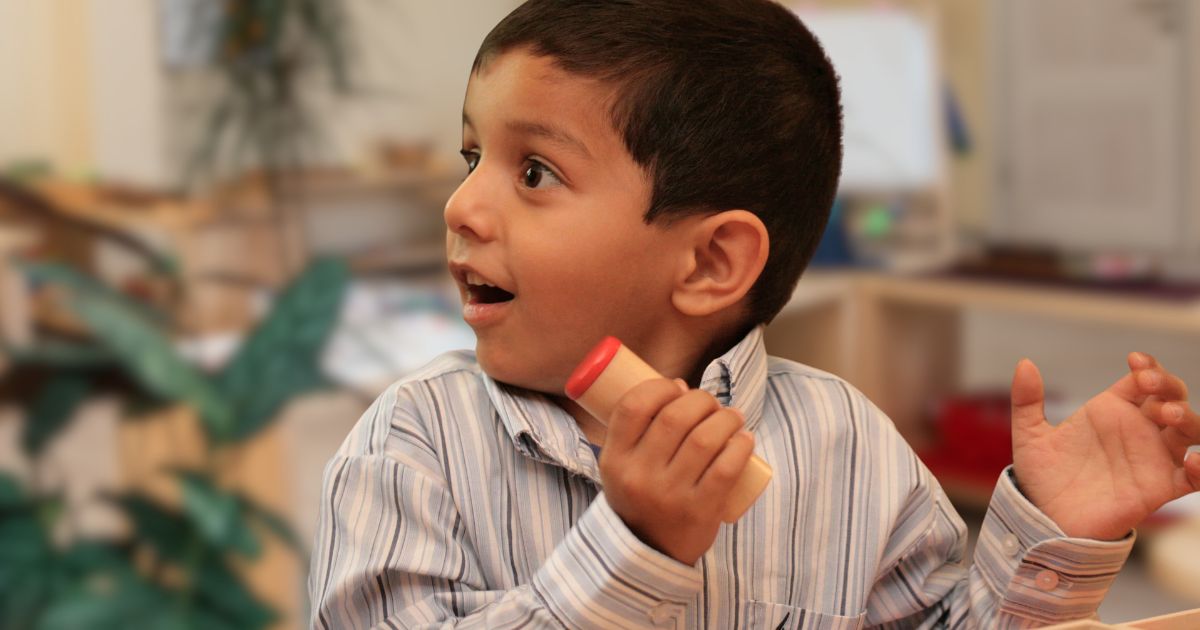
Montessori: What is it?
Montessori education, a revolutionary approach to learning developed by Dr. Maria Montessori over a century ago, stands out for its unique focus on the individual child’s natural development. Characterized by self-directed activities within a prepared environment and guided by specially trained teachers, this method nurtures children’s innate curiosity and desire to learn, fostering both academic […]

Montessori Elementary Language Curriculum
Language is a remarkable human invention that allows us to share ideas, build community, and make sense of the world. In the Montessori elementary curriculum, language is seen as more than just a way to communicate. It’s also a powerful tool for personal growth and connecting with others. Maria Montessori understood that language plays a […]
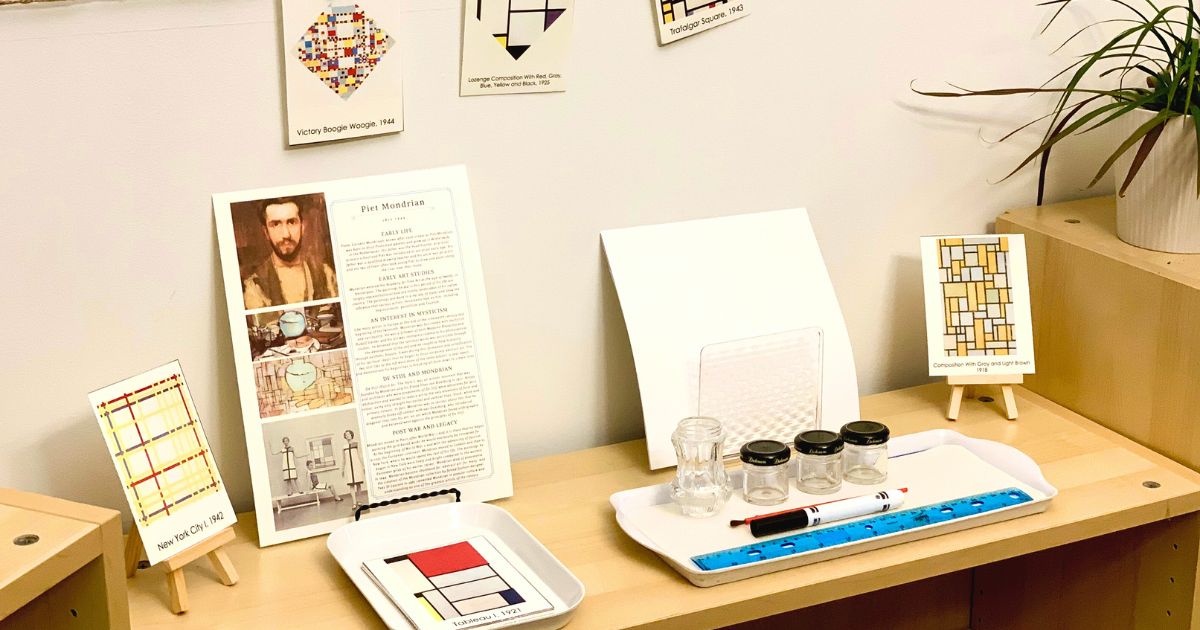
Montessori and Preschool Art Activities: An Overview
Preschool Art Activities: Cutting Using hands and tools to change the shape of objects, especially paper Examples: Tearing Paper This is exactly what it sounds like: using fingers to tear paper into smaller pieces. This activity seems quite simple but contributes to the development of hand-eye coordination. Tearing paper also helps strengthen the hand muscles […]

Montessori Art
In this category, we’ll explore the role of art in Montessori education, offer suggestions and resources for setting up a successful art space in a Montessori environment, share a list of common art activities found in Montessori primary programs, and discuss strategies for addressing common challenges in Montessori art activities. Dr. Maria Montessori, an Italian […]

Setting Up The Montessori Art Area
When setting up a Montessori art area, ensure that materials for art activities are accessible to children with minimal adult intervention. If an art activity or technique has been presented, then the supplies for that activity should be made available for children to select freely. Montessori Shelves: Organized to Encourage Independence Many Montessori art activities […]

Montessori Art Curriculum
The Montessori art curriculum plays a vital role in young children’s growth and development. Montessori art activities aid in the development of fine motor skills, hand-eye coordination, and cognitive abilities such as problem-solving and critical thinking. Montessori art activities also foster creativity and imagination, allowing children to express themselves freely and explore their ideas visually. […]

Guiding a Classroom with Fewer Older Students
Whether you are teaching a lower elementary class, an upper elementary class, or the full span that includes both lower and upper elementary, it can often be the case that there is only a small group (or even maybe just one or two!) of older children in your class. Follow the Trillium Montessori Talks podcast Parents […]

Montessori vs. Traditional Education: the Ultimate Guide
In this article, we compare Montessori vs traditional education systems, focusing on the key differences that set them apart. Whether you’re considering Montessori for your child or just curious about how it differs from conventional schooling, this article offers valuable insights into both approaches at various stages of child development. What’s Missing Throughout the years, […]
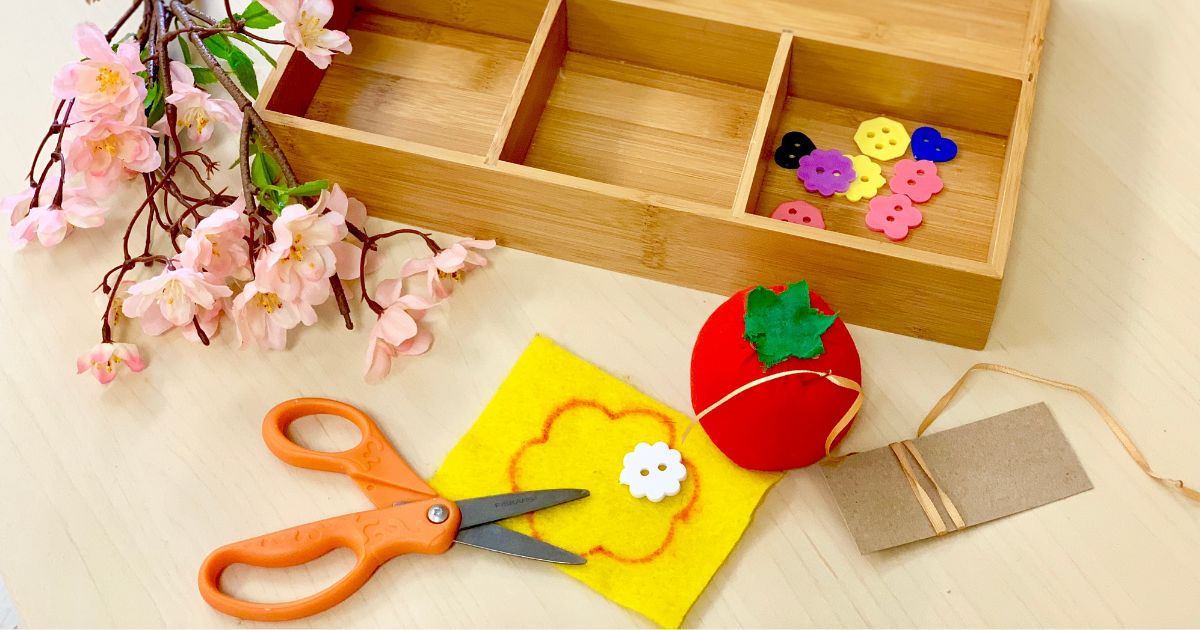
Montessori Sewing Activities for Preschool
Montessori sewing activities for preschoolers encourage problem solving and critical thinking while teaching children a valuable skill with both practical and creative applications.
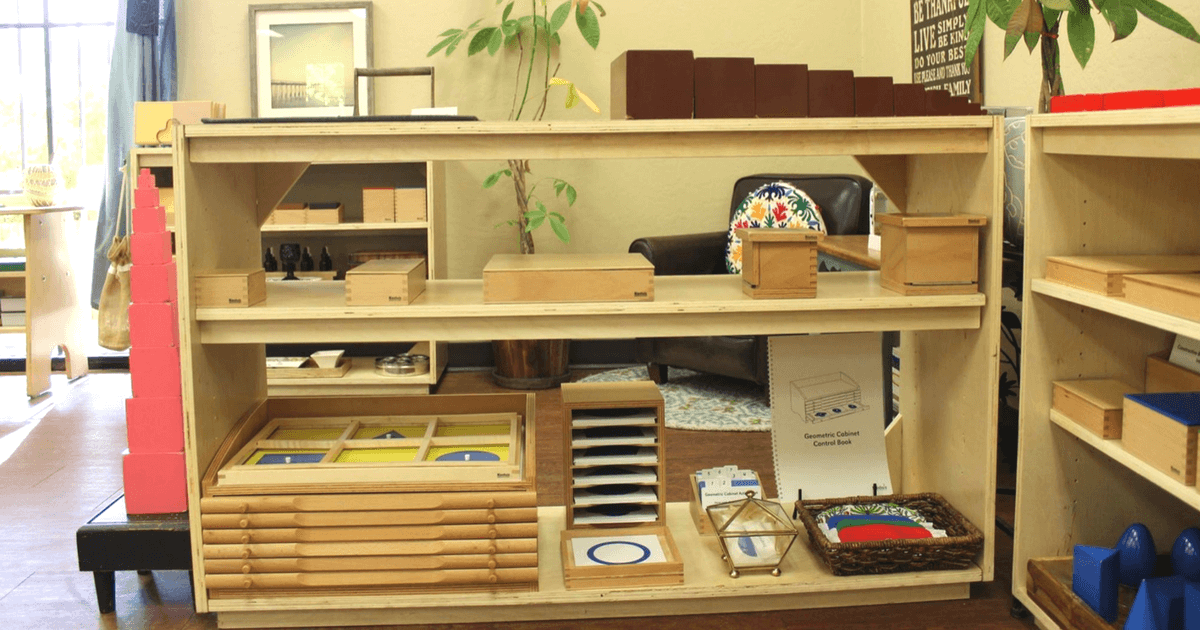
The Sensorial Area of the Montessori Classroom
The Sensorial Area is one of the core academic areas of the Montessori Primary classroom. This area is designed to help children refine their senses and develop their ability to observe, compare, and contrast various attributes of the world around them. The Sensorial area offers children not only the opportunity to explore and discover, but […]

Montessori Elementary: Planning and Record Keeping Overview
In a Montessori Elementary classroom, planning and record-keeping form the backbone of a personalized and dynamic educational experience. Effective planning provides a structured yet flexible framework that honors the principles of freedom and choice. Planning and record keeping are among the most important yet elusive tasks you will tackle as a Montessori Elementary teacher throughout […]

Technology and Brain Development
How does technology affect brain development in children? How can we mindfully incorporate technology into Montessori classrooms? Is social media inherently bad for adolescents? In today’s episode, Letty is joined by Dr. Luz Casquejo Johnston to discuss technology in relation to Montessori education, particularly for upper elementary and adolescent students. Luz shares insights into child […]

Free Montessori Printables
Looking for our free Montessori printables? We’ve gathered them into this handy list! Use the links below to navigate to the information page for each of our printables. All of our printables are stored in the Free Resource Library. You will receive a password to access the library once you sign up (free). Want to […]

Why Montessori is Bad
Montessori schools often come under scrutiny for their unconventional methods. Critics are quick to highlight what they perceive as glaring flaws in the Montessori approach, painting a picture of an educational system that seems almost too radical to be effective. From the outside looking in, Montessori education appears to challenge every traditional notion of what […]

Montessori Language: An Overview of the Materials and Curriculum
The Montessori approach to language and literacy development in early childhood is grounded in the belief that children learn best through hands-on, experiential learning. In a Montessori classroom, children are encouraged to explore language and literacy through a variety of activities and materials. Montessori schools place a strong emphasis on developing literacy skills in young […]
The Montessori Pink Tower: Purpose and Activities
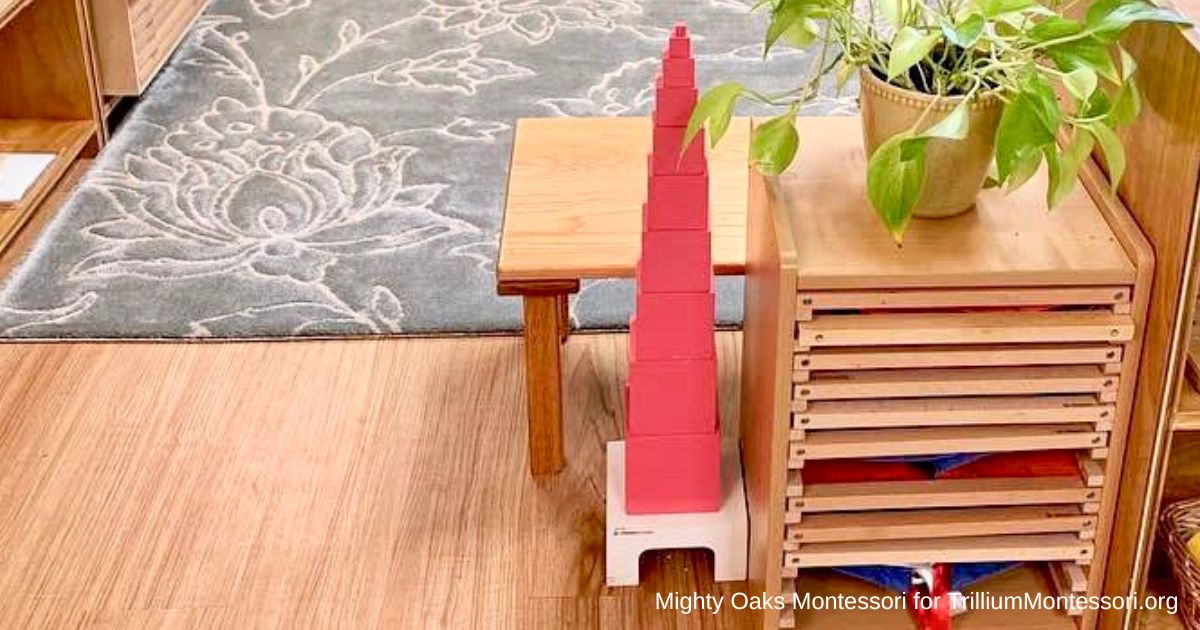
The Pink Tower is one of the most iconic Montessori materials used in the Early Childhood classroom. It is a set of ten wooden cubes, ranging in size from 1 cm to 10 cm, all painted pink. The cubes are designed to help children develop their visual and spatial perception skills, as well as their […]
Montessori: What is it?
Montessori education, a revolutionary approach to learning developed by Dr. Maria Montessori over a century ago, stands out for its unique focus on the individual child’s natural development. Characterized by self-directed activities within a prepared environment and guided by specially trained teachers, this method nurtures children’s innate curiosity and desire to learn, fostering both academic […]
Sensitive Periods in Montessori Education
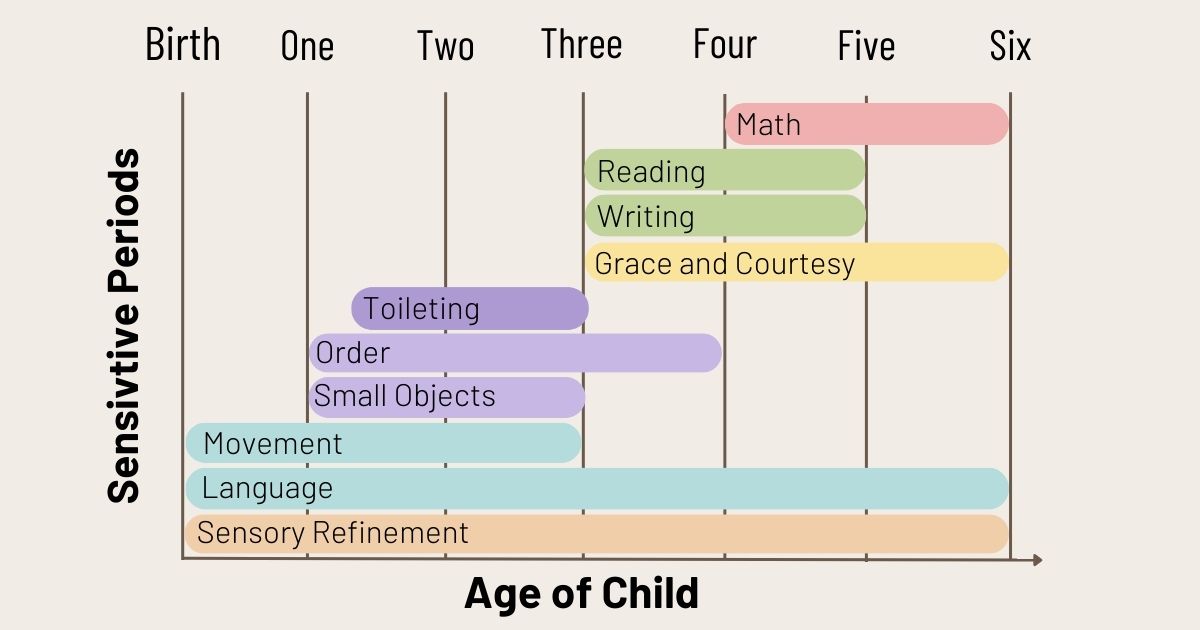
Sensitive Periods refer to specific time frames in a child’s development during which they are particularly receptive to certain types of learning. Maria Montessori observed that children have an innate ability to absorb information during these critical periods and they play a key role in how Montessori education is implemented. Fundamentals of Sensitive Periods Video: […]

The Montessori Elementary Science Curriculum
Maria Montessori’s innovative approach to teaching Elementary Science emphasizes hands-on learning and self-directed exploration. By providing children with a carefully designed learning environment, Montessori educators aim to foster curiosity, creativity, and a lifelong love of learning. Fundamentals of Montessori Elementary Science One of the key features of the Montessori Elementary Science curriculum is its focus […]

The 5 Components of Reading
There are five components of reading: vocabulary, phonemic awareness, phonics, comprehension, and fluency. History of the 5 Components of Reading Instruction Reading instruction in the United States has undergone a lot of changes over the years. In the 1980s and 90s, educators were divided on the best way to teach children to read. The “reading […]

The Scarborough Reading Rope in the Montessori Classroom
The Scarborough Reading Rope is a visual representation of the different strands that make up the process of reading, with the metaphor of a rope being used to demonstrate how all of these strands work together to create a strong, cohesive whole. It was created in the early 1990s by Dr. Hollis Scarborough, a literacy researcher, […]